Programs & Events
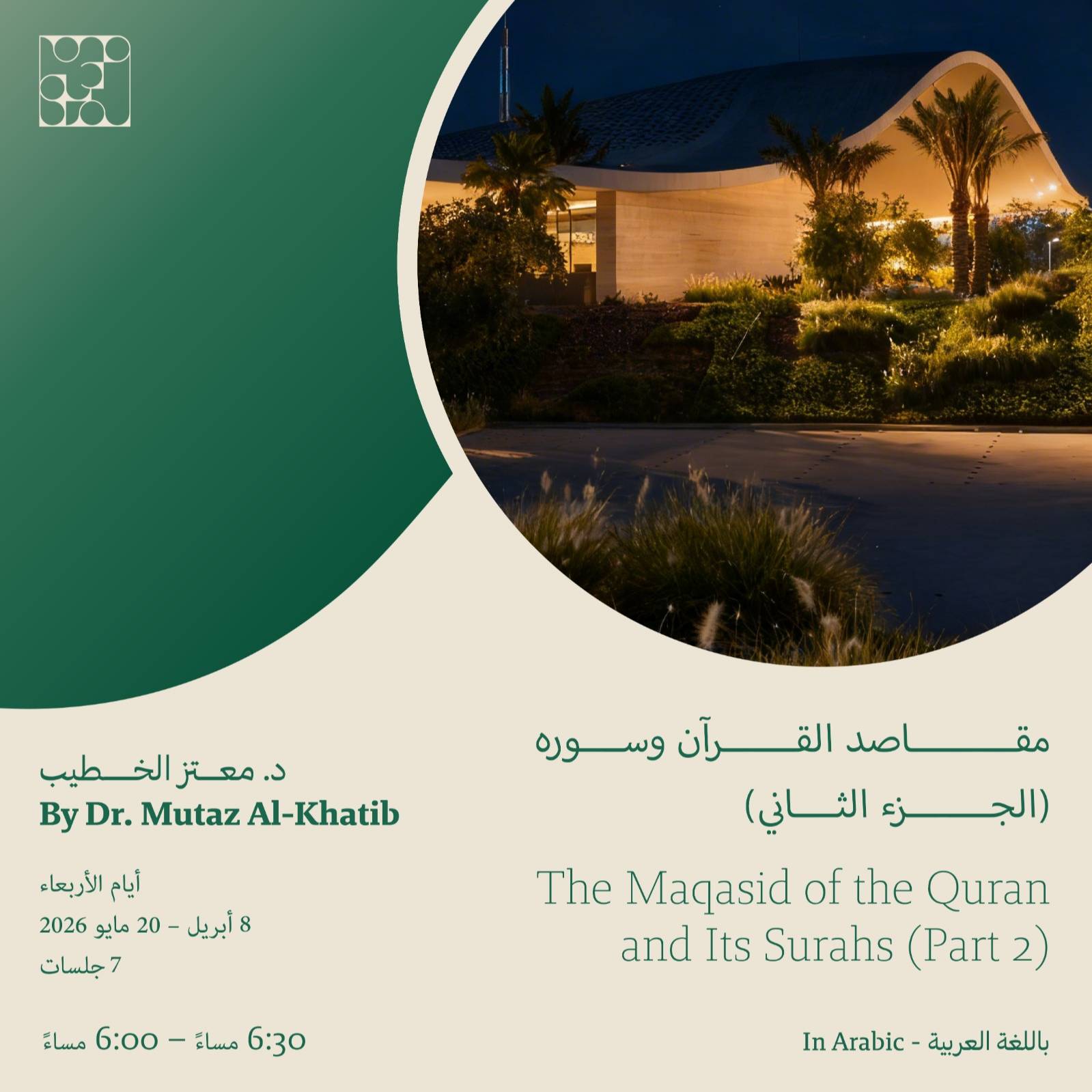
The Maqasid of the Quran and Its Surahs (Part 2)
The Surahs of the Noble Qur’an encompass diverse forms of discourse and address a wide range of themes and issues. Each Surah presents a unique set of topics that, collectively, re..
- Religious Programs
- Accessibility
- Ar
- Register
About this Program
The Surahs of the Noble Qur’an encompass diverse forms of discourse and address a wide range of themes and issues. Each Surah presents a unique set of topics that, collectively, reflect Qur’anic rulings and the reports that affirm them. These rulings include practical and theoretical evaluations—legal, theological, historical, and ethical—framed within a purposeful moral vision. They serve as guidance, admonition, and reflection, inviting believers to contemplate the divine message and act upon it with sincerity. As we continue in this second part of this program, we will engage in a structured reflection (Tadabbur) on the overall structure of some of the Qur’an’s Surahs, exploring each one individually to identify its central themes and overarching aims (Maqasid). The aim is to connect each Surah’s objectives to its content and structure, and ultimately to contribute to an understanding of the broader aims of Qur’anic discourse—motivating us to embody its teachings to the best of our ability. Each class will involve an intensive examination of selected Surahs, with a focus on linking each Surah’s aim to that of the next.
- 1. To introduce participants to the major scholarly conclusions regarding the overarching aims (Maqasid) of the Qur’an.
- 2. To cultivate deep reflection on each Surah through an exploration of its main themes and ethical objectives.
- 3. To develop an analytical framework that connects the specific aims of individual Surahs with the Qur’an’s unified moral and spiritual vision.
- 4. To encourage participants to apply the Qur’anic aims in daily life and to view Tadabbur as a foundation for personal, familial, and social transformation.
- 5. To equip participants with accessible methodological tools for engaging the Qur’an, grounded in the interpretive tradition of classical scholarship and responsive to contemporary contexts.
By the end of the program, participants will be able to:
- 1. Identify the thematic structure of each Surah studied and relate it to its overarching aims (Maqasid).
- 2. Articulate key ethical and practical purposes conveyed in the Surahs of the Qur’an.
- 3. Contextualize each Surah within the broader flow of the Qur’anic discourse, recognizing its connections to preceding and subsequent Surahs.
- 4. Distinguish between the thematic elements and ethical aims of each Surah.
- 5. Apply foundational analytical tools to everyday life situations, drawing on Qur’anic guidance for reflection and ethical action.
Meet our Instructor
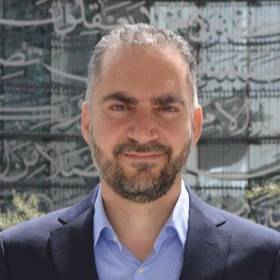
Dr. Mutaz Alkhatib
Besides many refereed articles, He authored and edited several books including: Radd al-Ḥadīth min Jihat al-Matn: Dirāsa fī Manāhij al-Muḥaddithīn wa-l Uṣūliyyīn (Matn Criticism: a study of the methods of traditionists and jurists) (2011), Ma’ziq al-Dawla bayna al-Islāmiyyīn wa-l ‘Almāniyyīn (The dilemma of the state between Islamists and secularists) (2016), al-‘Unf al-Mustabāḥ: al-Sharia fī Muwājahat al-Umma wa-l Dawla (Violence Made Permissible: ‘Sharia’ versus the People and the State) (2017) Qabūl al- Ḥadīth (The Reception of Ḥadīth) (2017), Islamic Ethics and the Trusteeship Paradigm (co-editor) (2020), Ḥadīth and Ethics through the Lens of Interdisciplinarity (2023).
Recommended For You
 Paid
Paid
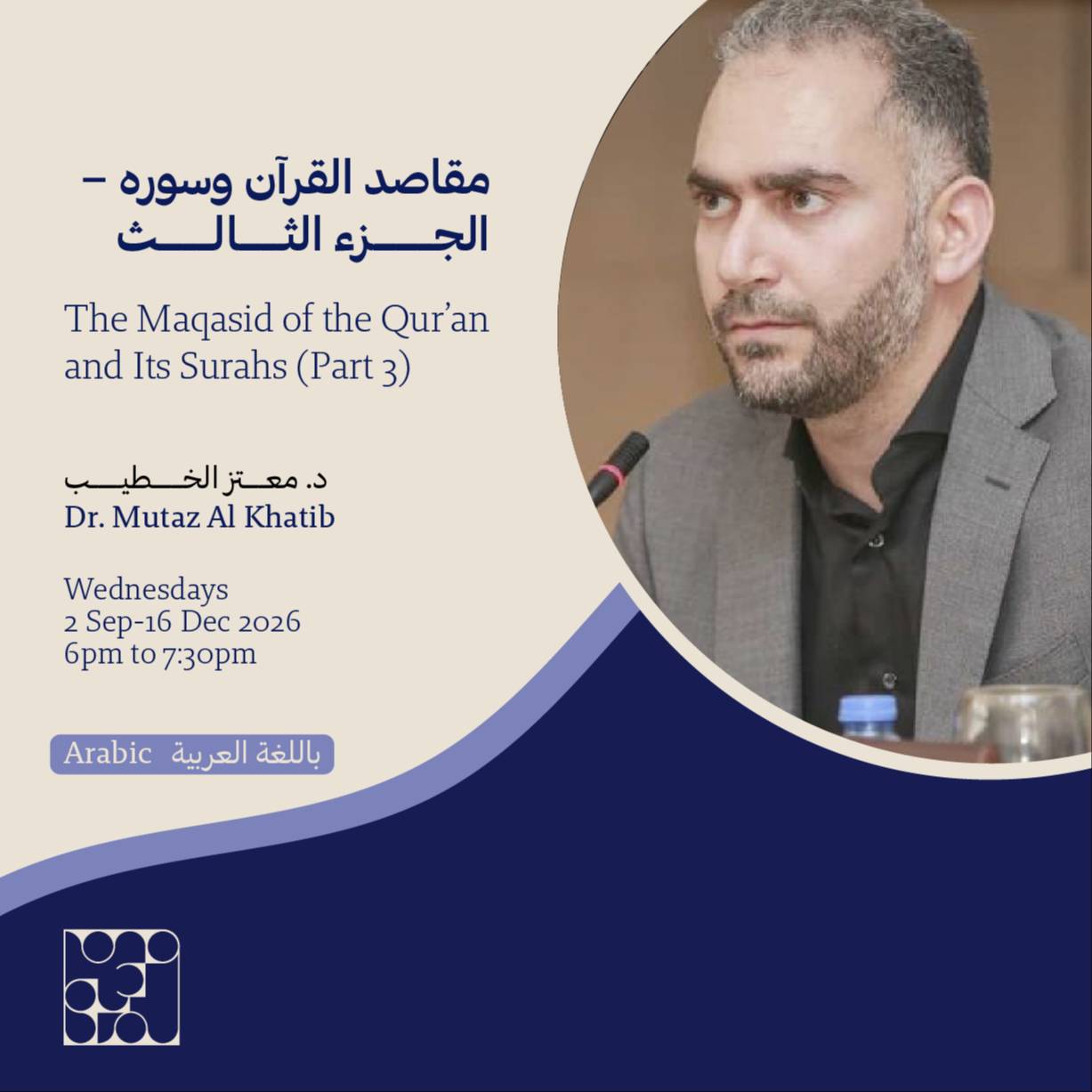
The Maqasid of the Qur’an and Its Surahs (Part 3)
- Religious Programs
- Ar
 Paid
Paid
Surah Luqman: From Recitation to Tazkiyah
- Religious Programs
- Ar
 Paid
Paid
Surah Al-Hujurat: From Recitation to Tazkiyah
- Religious Programs
- Ar
 Paid
Paid
Growing with the Qur’an (Beginner Level)
- Religious Programs
- En
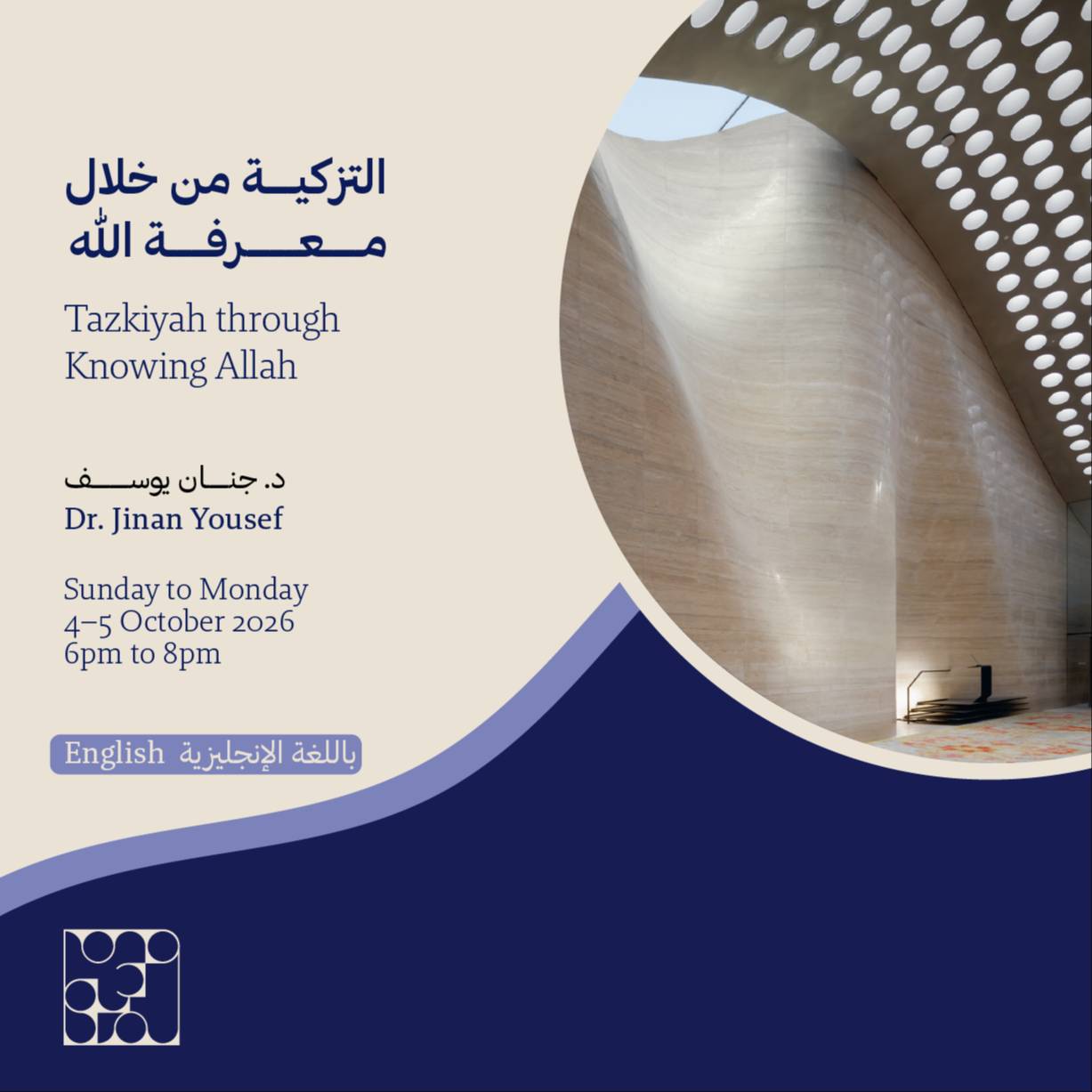
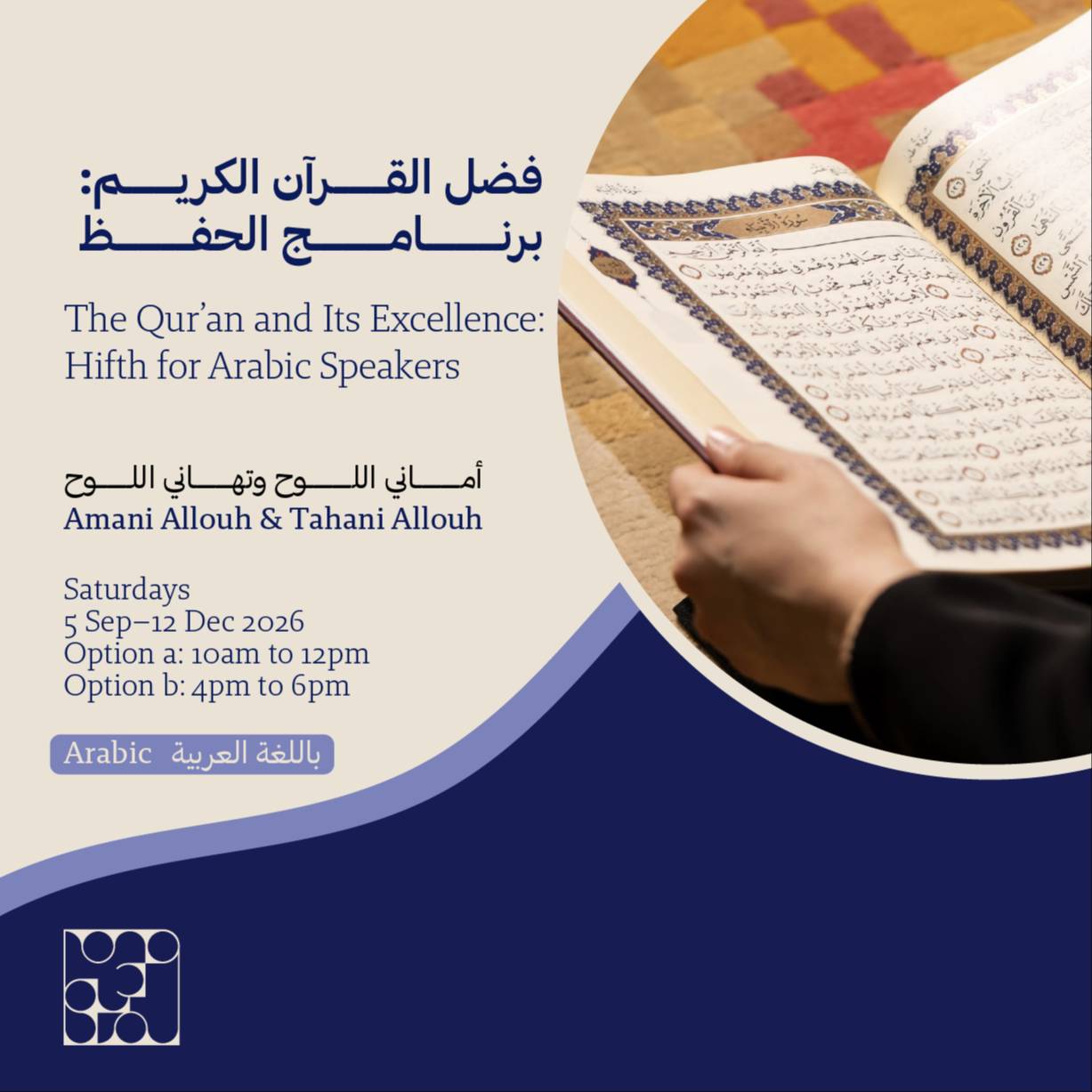 Paid
Paid
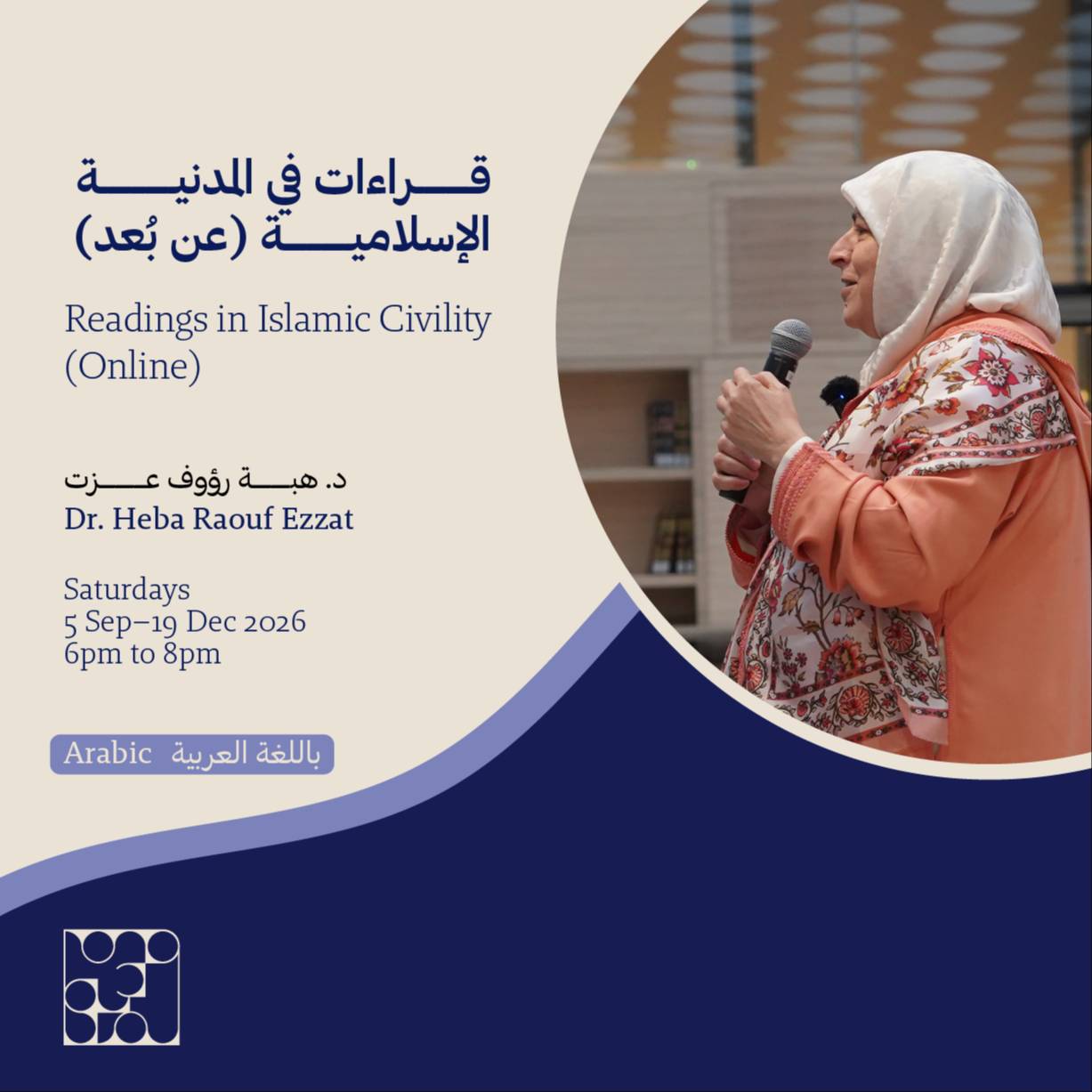
The Qur’an and Its Excellence: Hifth for Arabic Speakers
- Religious Programs
- Ar
 Free
Free
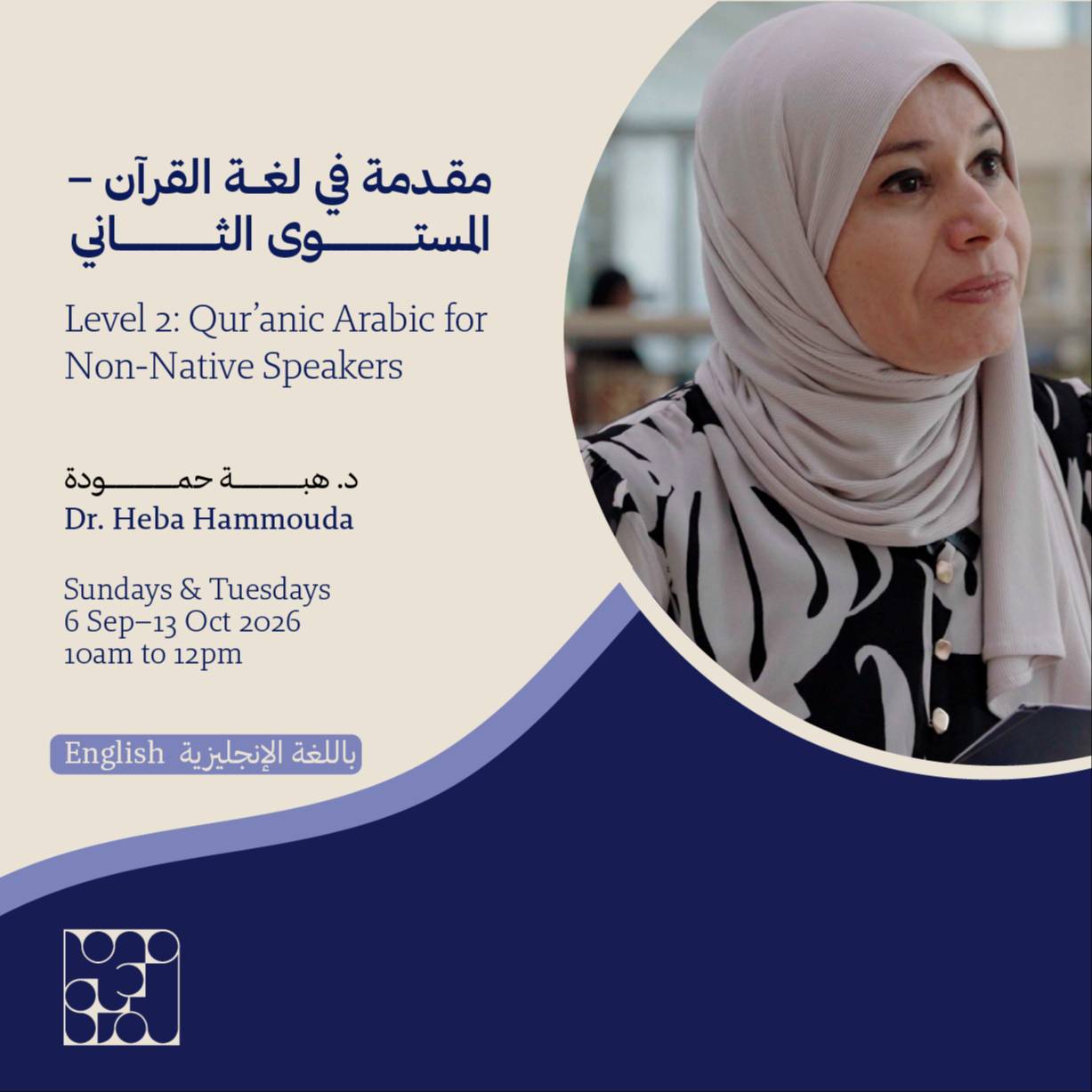
Readings in Islamic Civility (Online)
- Religious Programs
- Ar
 Paid
Paid
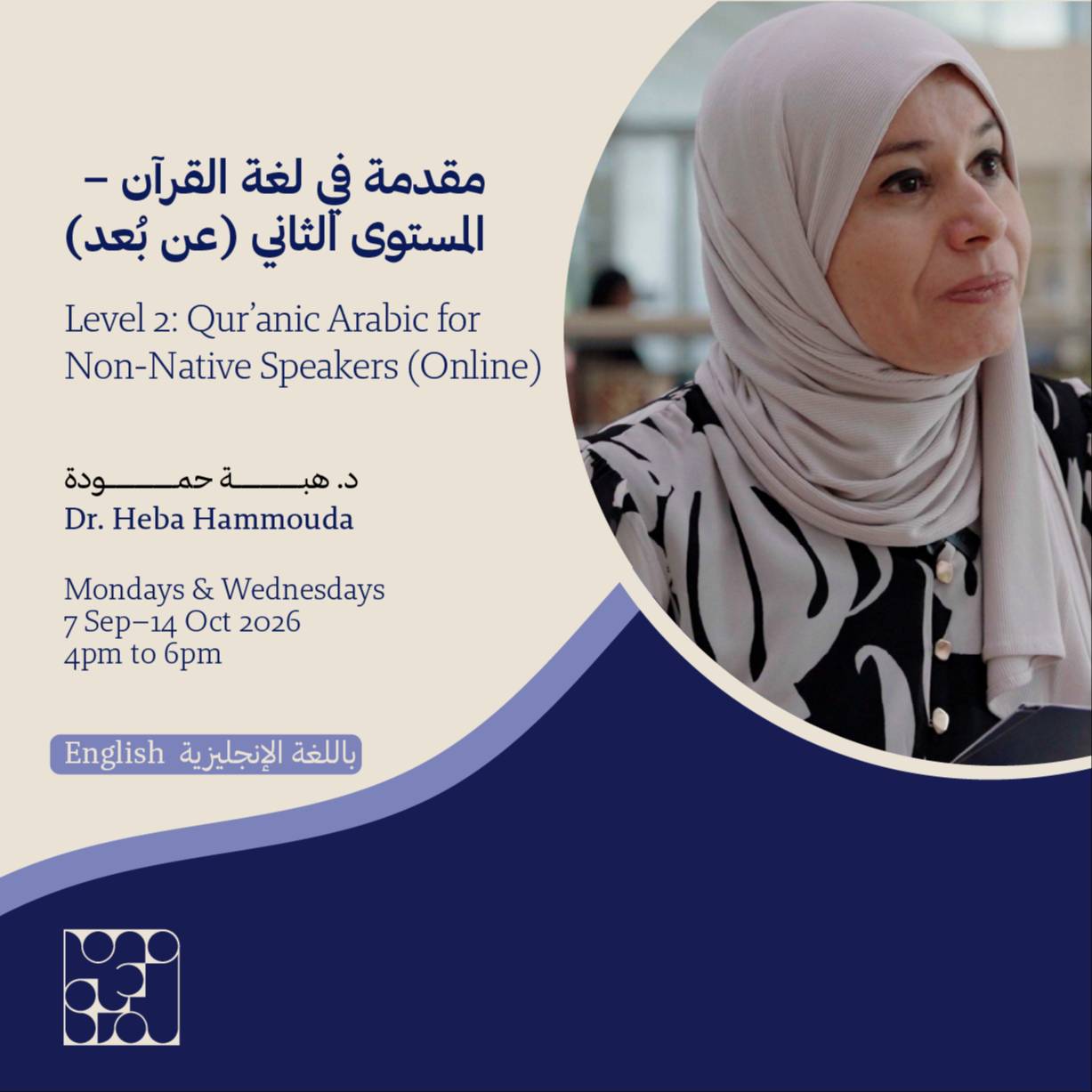
Level 2: Qur’anic Arabic for Non-Native Speakers
- Religious Programs
- En
 Paid
Paid
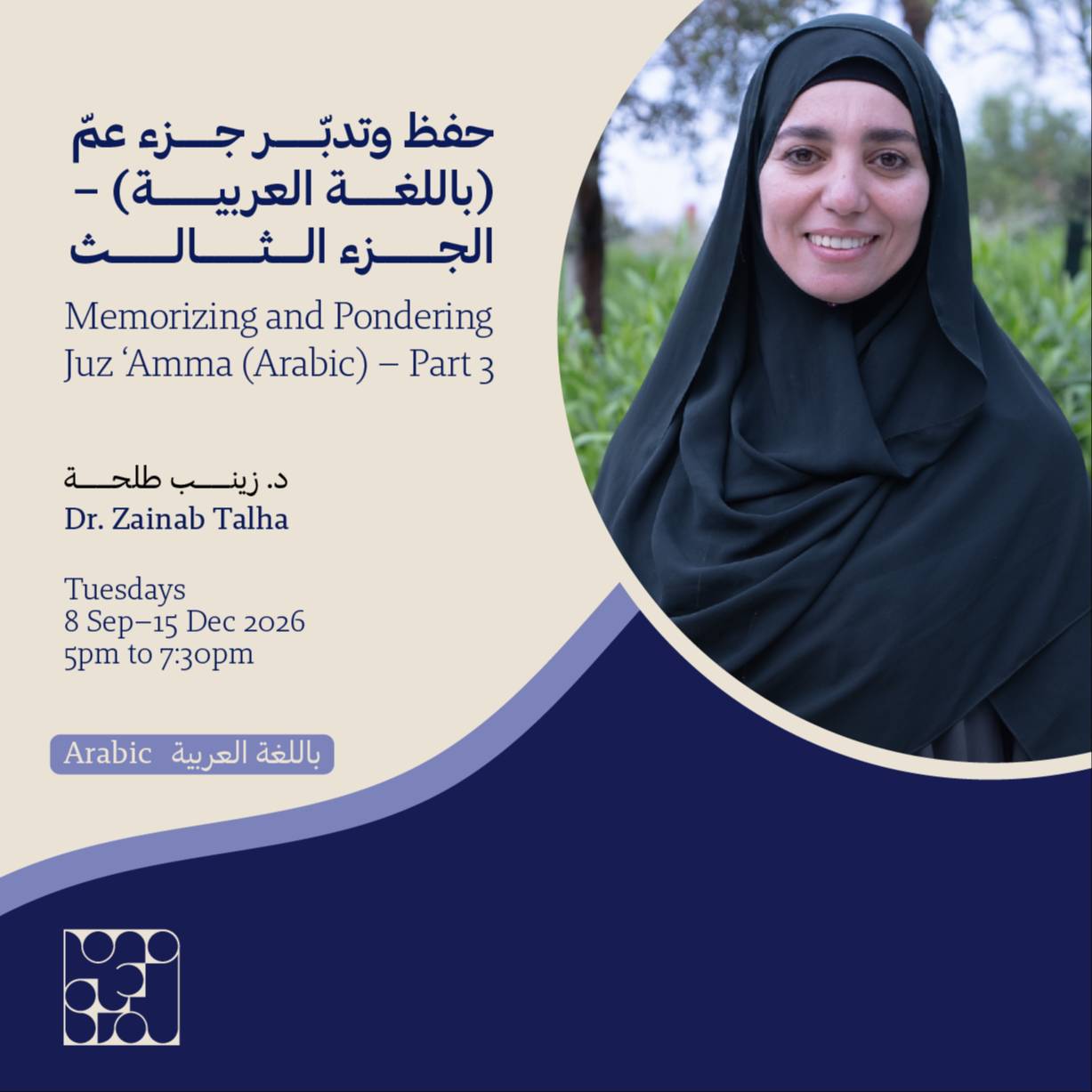
Level 2: Qur’anic Arabic for Non-Native Speakers (Online)
- Religious Programs
- En
 Paid
Paid
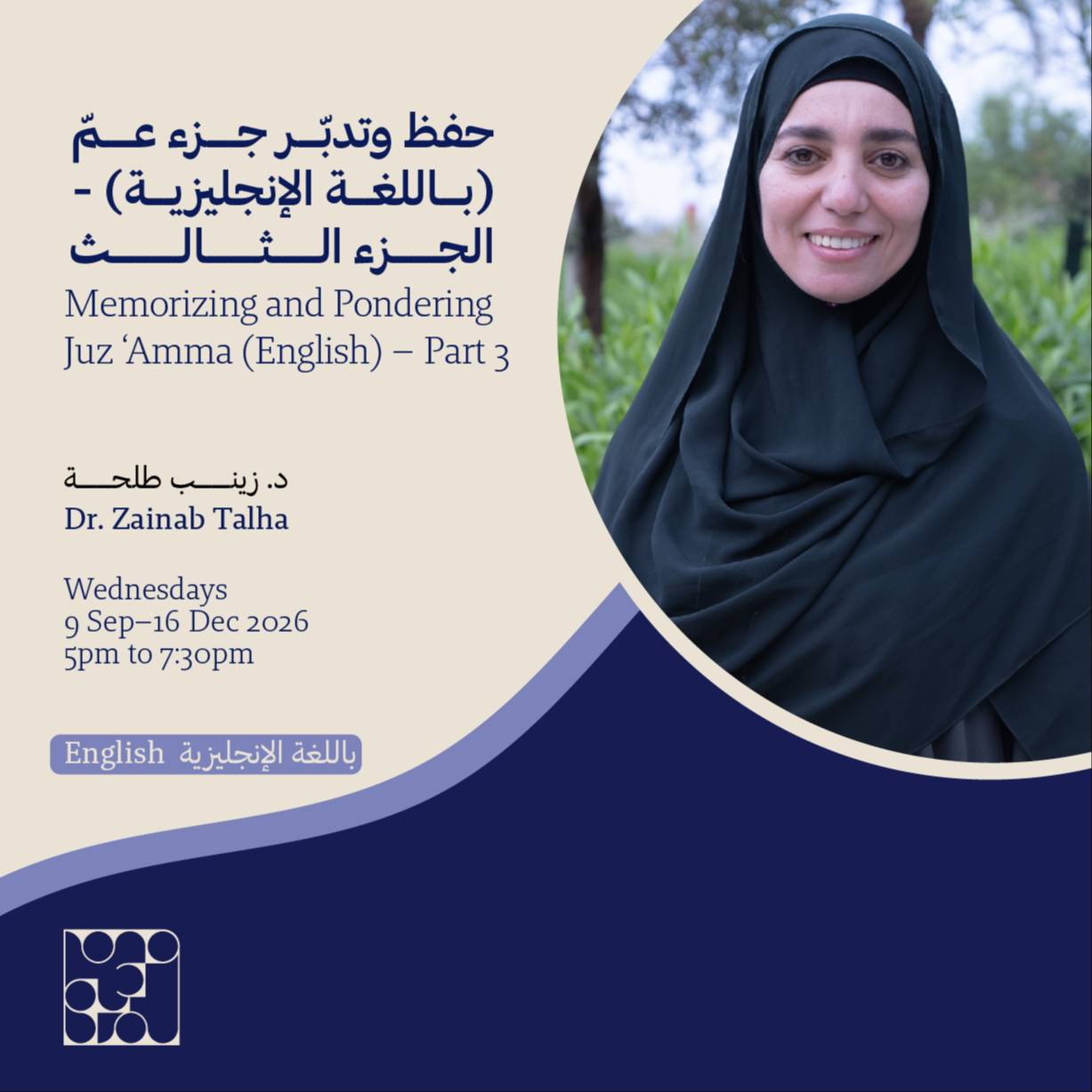
Memorizing and Pondering Juz ‘Amma (Arabic) – Part 3
- Religious Programs
- Ar
 Paid
Paid
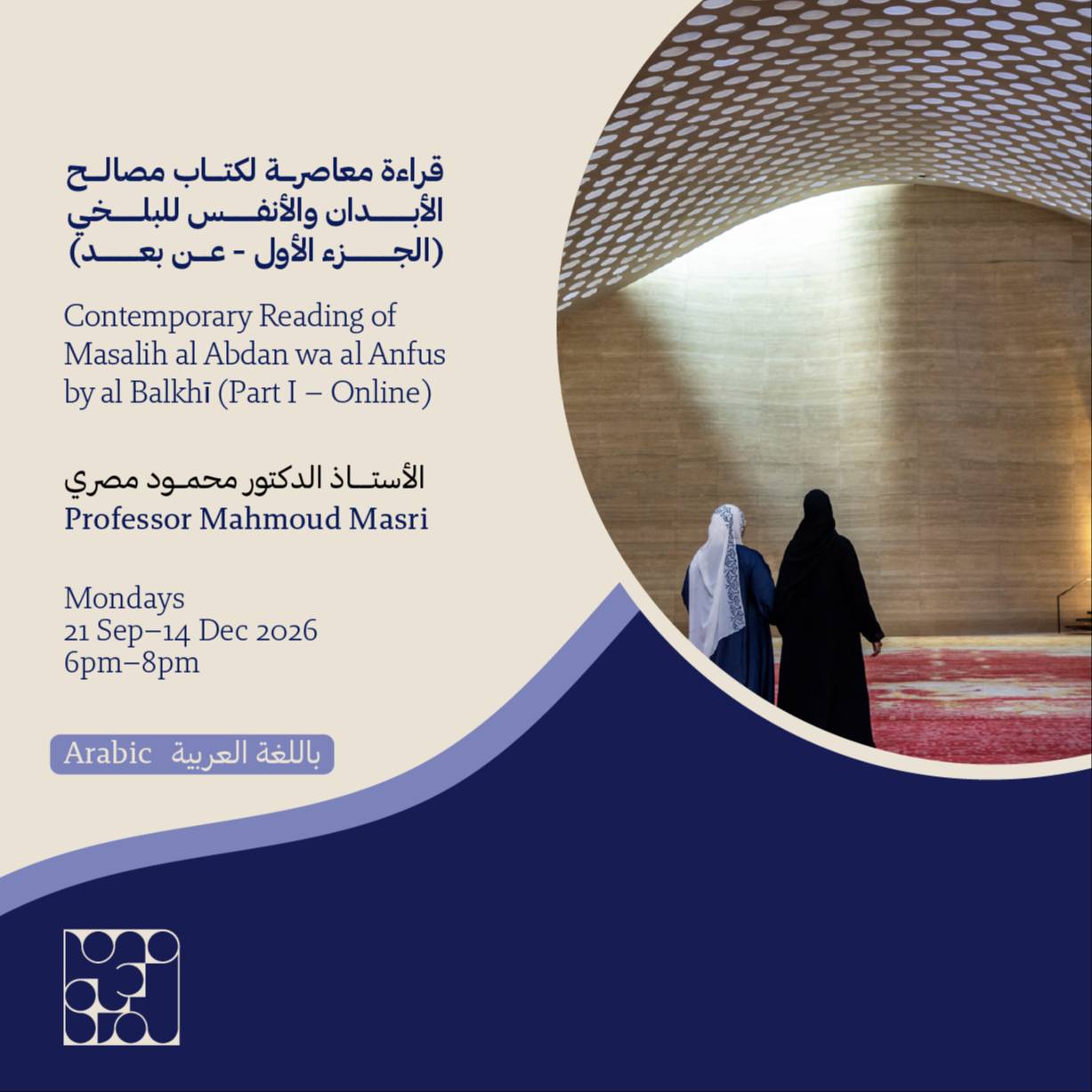
(English) Memorizing and Pondering Juz 'Amma (Part 3)
- Religious Programs
- En
 Free
Free
Contemporary Reading of Masalih al Abdan wa al Anfus by al Balkhī (Part I – Online)
- Religious Programs
- Ar