Programs & Events
Readings in Islamic Civility (Online)
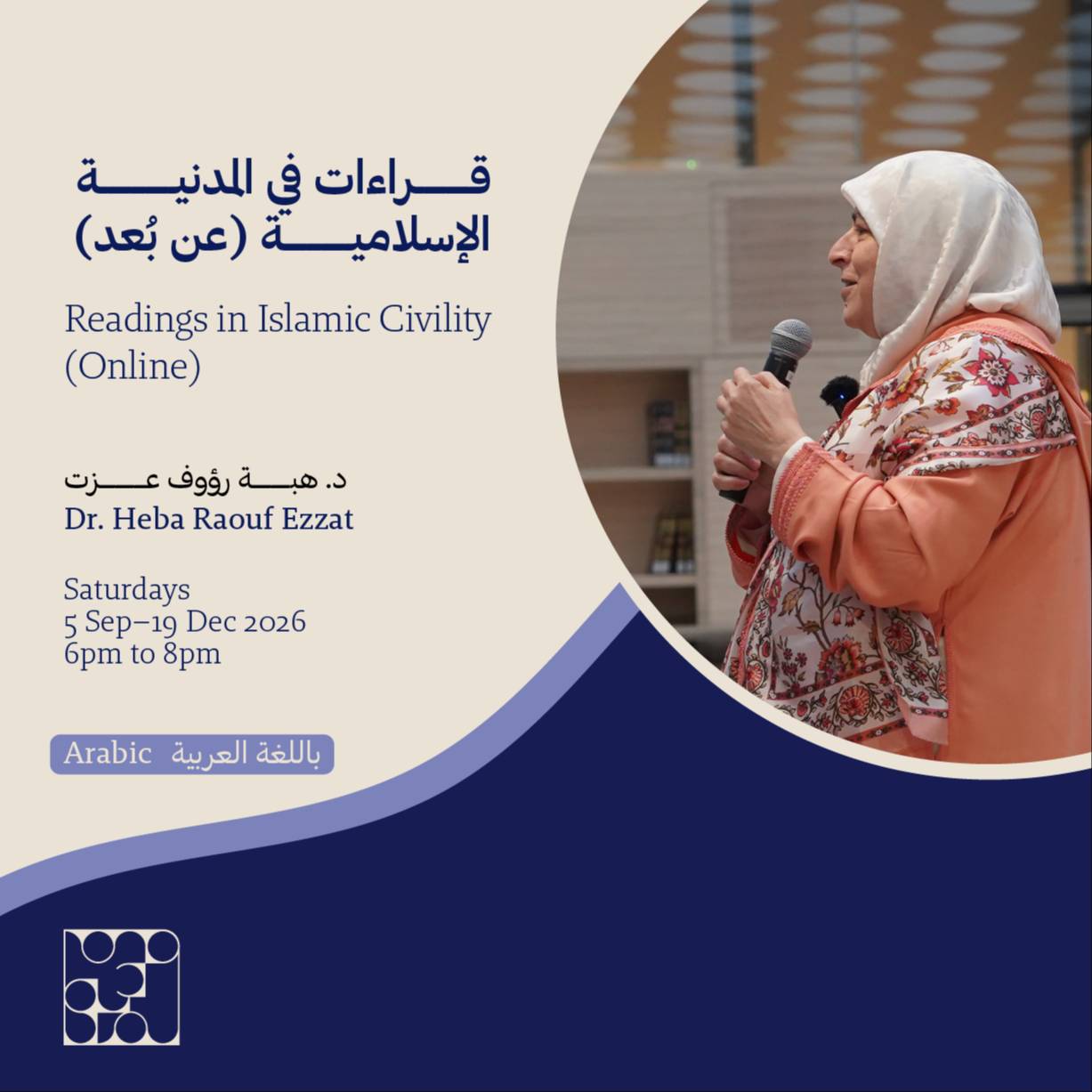
This reading of selected works from the Islamic intellectual heritage aims to discuss the features of the Islamic civilizational model, represented in forms of civility and their e..
- Religious Programs
- Accessibility
- Ar
- Register
About this Program
This reading of selected works from the Islamic intellectual heritage aims to discuss the features of the Islamic civilizational model, represented in forms of civility and their ethical and social framework as they appear in the works of philosophers, jurists, exegetes, and historians. It will consider how these works can be examined and used to develop a comparative understanding alongside contemporary forms of civility, while exploring the foundations of advancement that address the challenges facing contemporary societies. This is not a reading that approaches these texts solely within their historical context; rather, it seeks to understand the principles of human social life reflected in them and to engage more deeply with human nature and social interactions.
In this part of the program, we begin with Al-Farabi's Book of the Opinions of the Inhabitants of the Virtuous City, followed by Imam Al-Mawardi's Adab al-Dunya wa al-Din. Part 2 will continue with Imam Al-Raghib Al-Isfahani's Tafsil al-Nash'atayn wa Tahsil al-Sa'adatayn, before expanding into an analysis of Ibn Khaldun's Muqaddimah.
This program falls within our Strategic Theme at Al-Mujadilah, which explores the social vision of Islam. We will start with fifteen online sessions, and continue in the following year, for a total of forty sessions.
Disclaimer:
This program is offered free of charge, as part of our belief in the importance of expanding Islamically-rooted community education and intellectual dialogue. We kindly request that you register only after ensuring that the program’s duration and schedule are suitable for you. Registration will be cancelled after three absences.
To bring the Islamic intellectual heritage closer to participants and discuss fundamental issues that contribute to understanding the forms of Islamic civility, their diversity, and their richness; to bring together different approaches to reading questions of civility and human social life; and to develop the ability to compare ideas with the changing realities of our cities in the Arab and Muslim worlds.
Participants will be able to draw out insights that can contribute to addressing current challenges in our social reality, recognize through comparison key features of contemporary social thought in the humanities, and use more than one mode of discourse to address contemporary everyday challenges by understanding their complexity and interconnectedness, grounded in a civilizational understanding of Islamic civility, its possible contemporary manifestations, and its future horizons.
Meet our Instructor
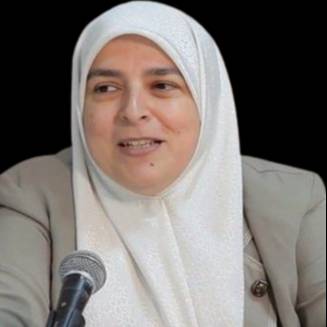
Dr. Heba Raouf Ezzat
Renowned for her pioneering role in public Islamic education, Dr. Ezzat’s scholarship focuses on rethinking concepts like sovereignty, citizenship, and social order within Islamic frameworks. She has actively contributed to public Islamic education by reviving traditional learning circles in Cairo’s mosques and advising on youth and civil society initiatives.
Her publications in Arabic and English include contributions to the Oxford Handbook of the Sociology of the Middle East, and editorial work on Arabic translations of Wael Hallaq and Zygmunt Bauman’s writings. As a renowned public intellectual, Dr. Ezzat continues to shape contemporary discourse on Islamic civility, ethics, and political imagination, making her a leading voice in Islamic political thought today.
Recommended For You
 Paid
Paid
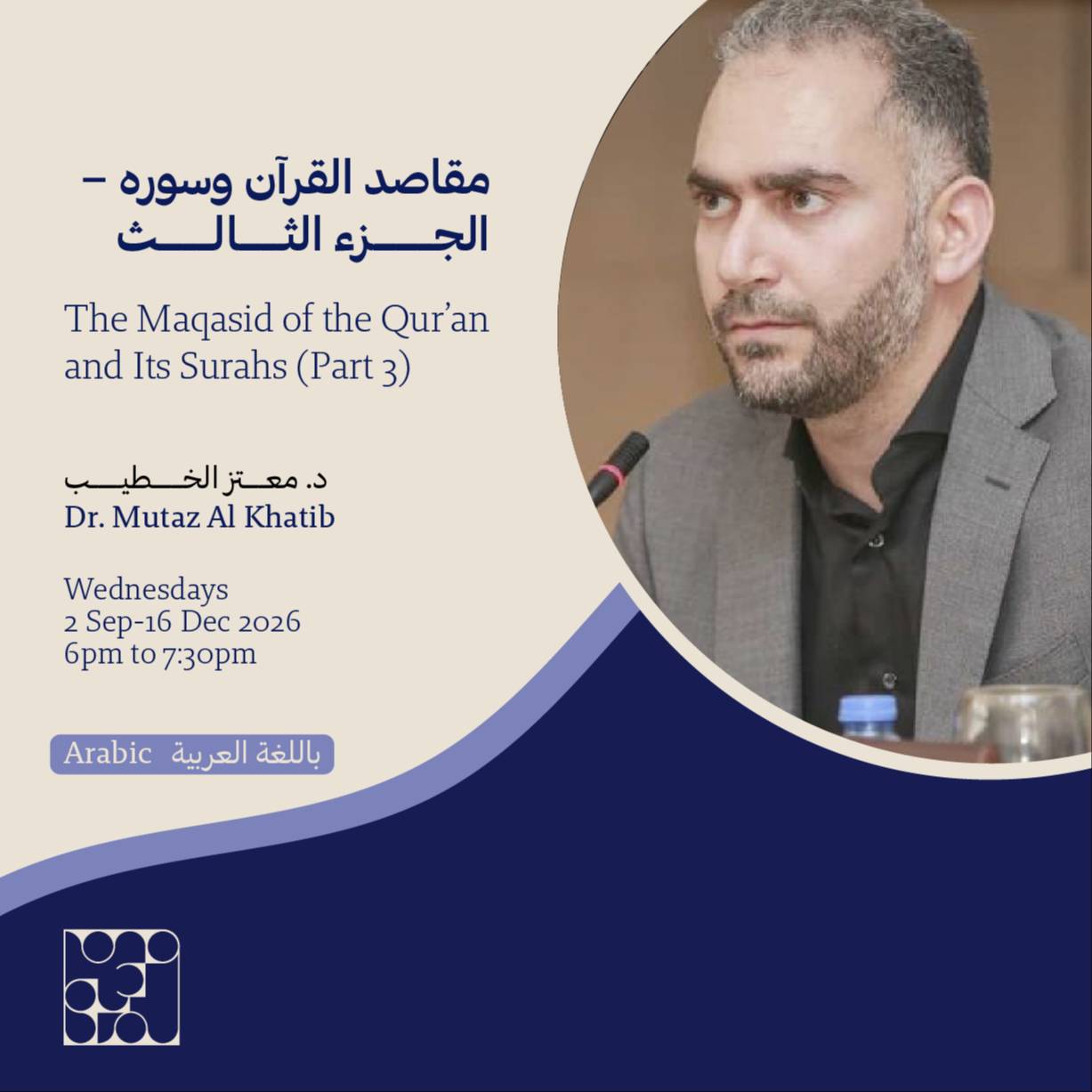
The Maqasid of the Qur’an and Its Surahs (Part 3)
- Religious Programs
- Ar
 Paid
Paid
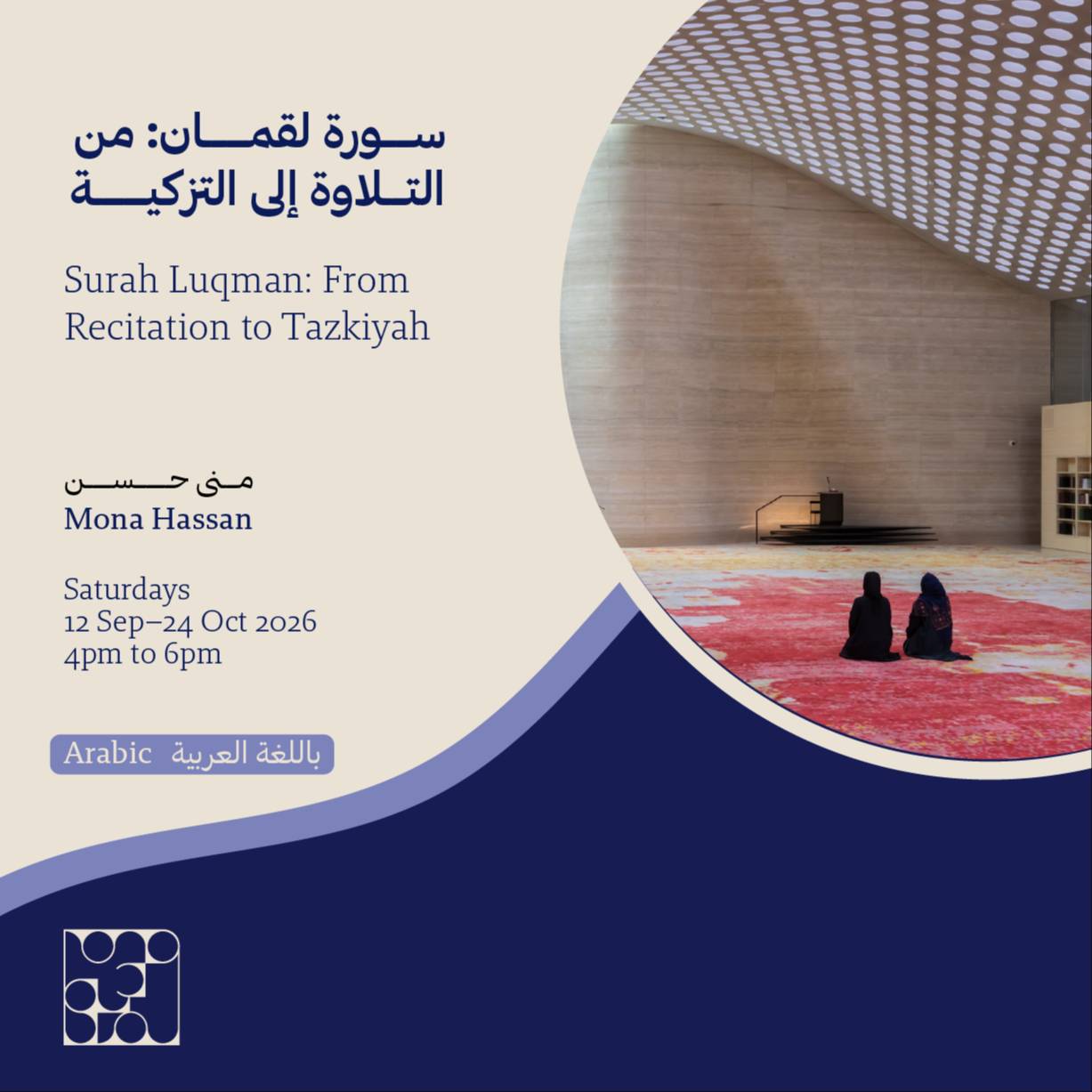
Surah Luqman: From Recitation to Tazkiyah
- Religious Programs
- Ar
 Paid
Paid
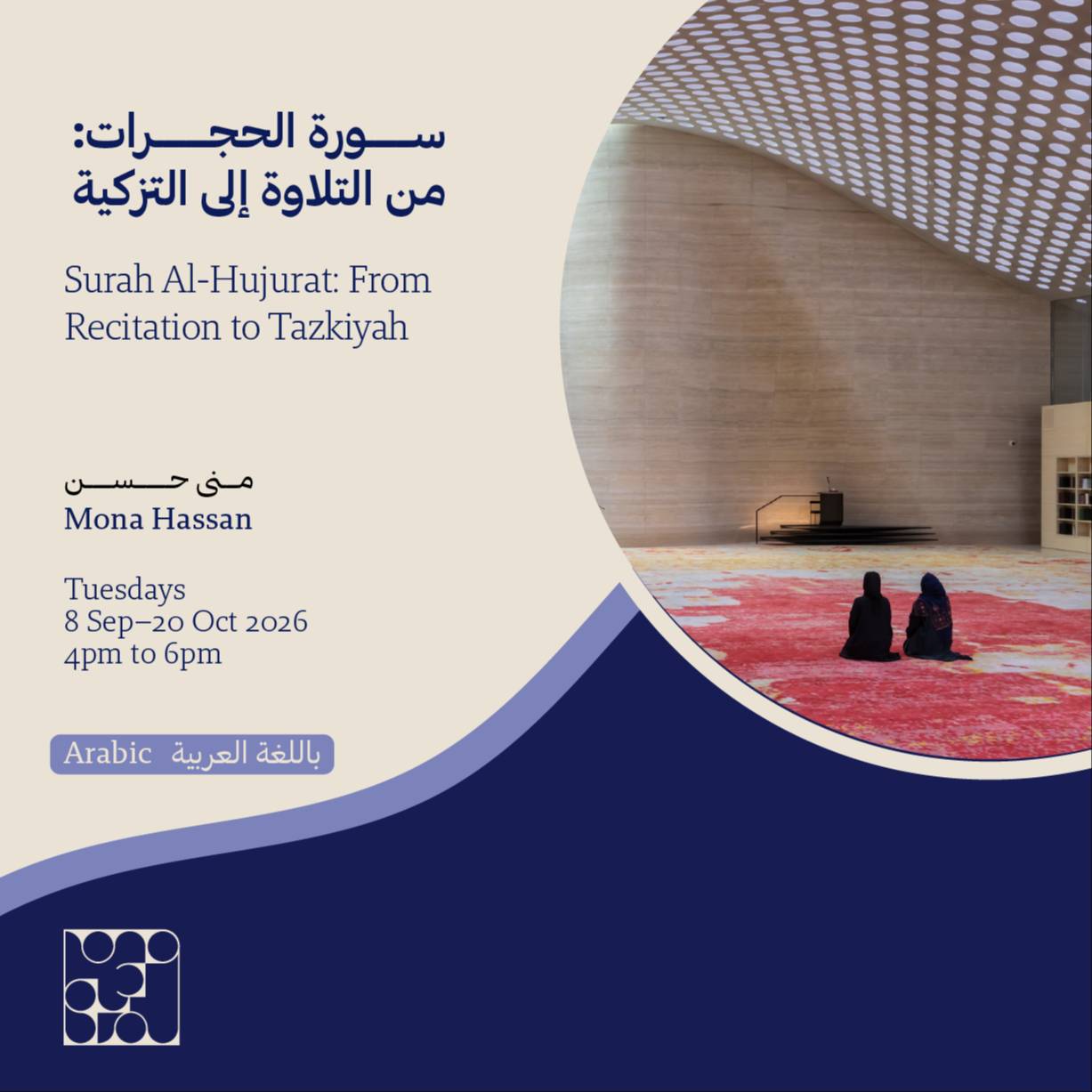
Surah Al-Hujurat: From Recitation to Tazkiyah
- Religious Programs
- Ar
 Paid
Paid
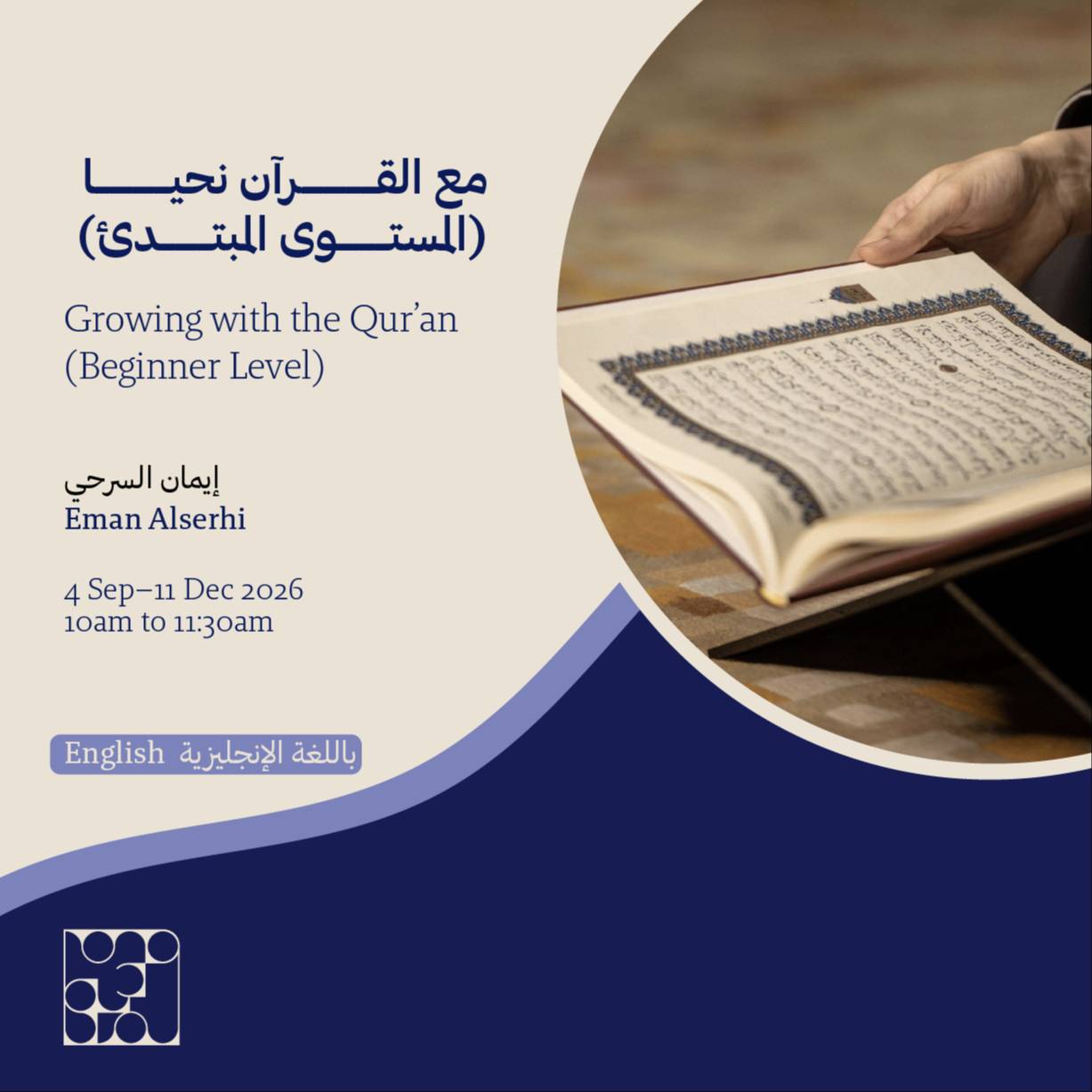
Growing with the Qur’an (Beginner Level)
- Religious Programs
- En
 Paid
Paid
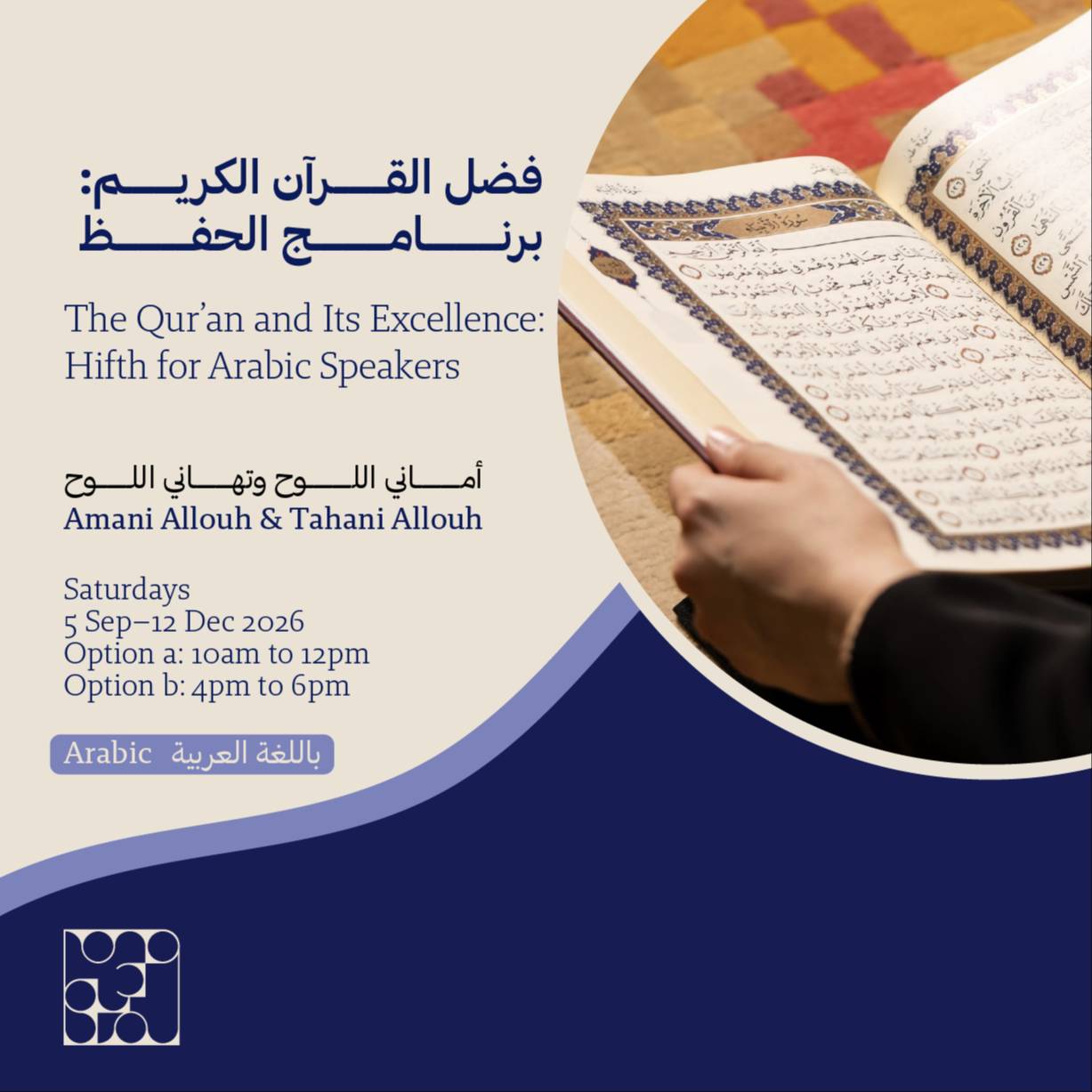
The Qur’an and Its Excellence: Hifth for Arabic Speakers
- Religious Programs
- Ar
 Paid
Paid
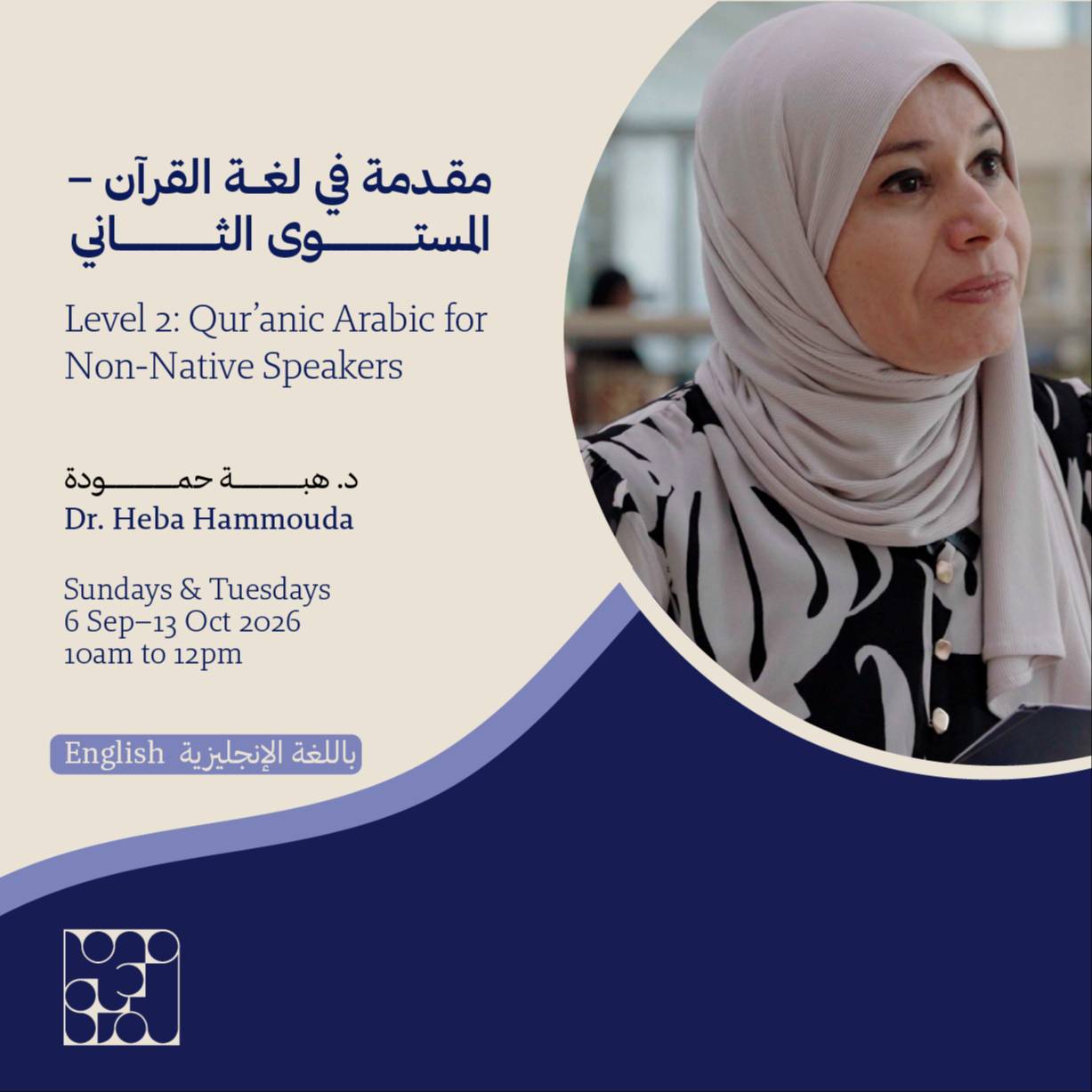
Level 2: Qur’anic Arabic for Non-Native Speakers
- Religious Programs
- En
 Paid
Paid
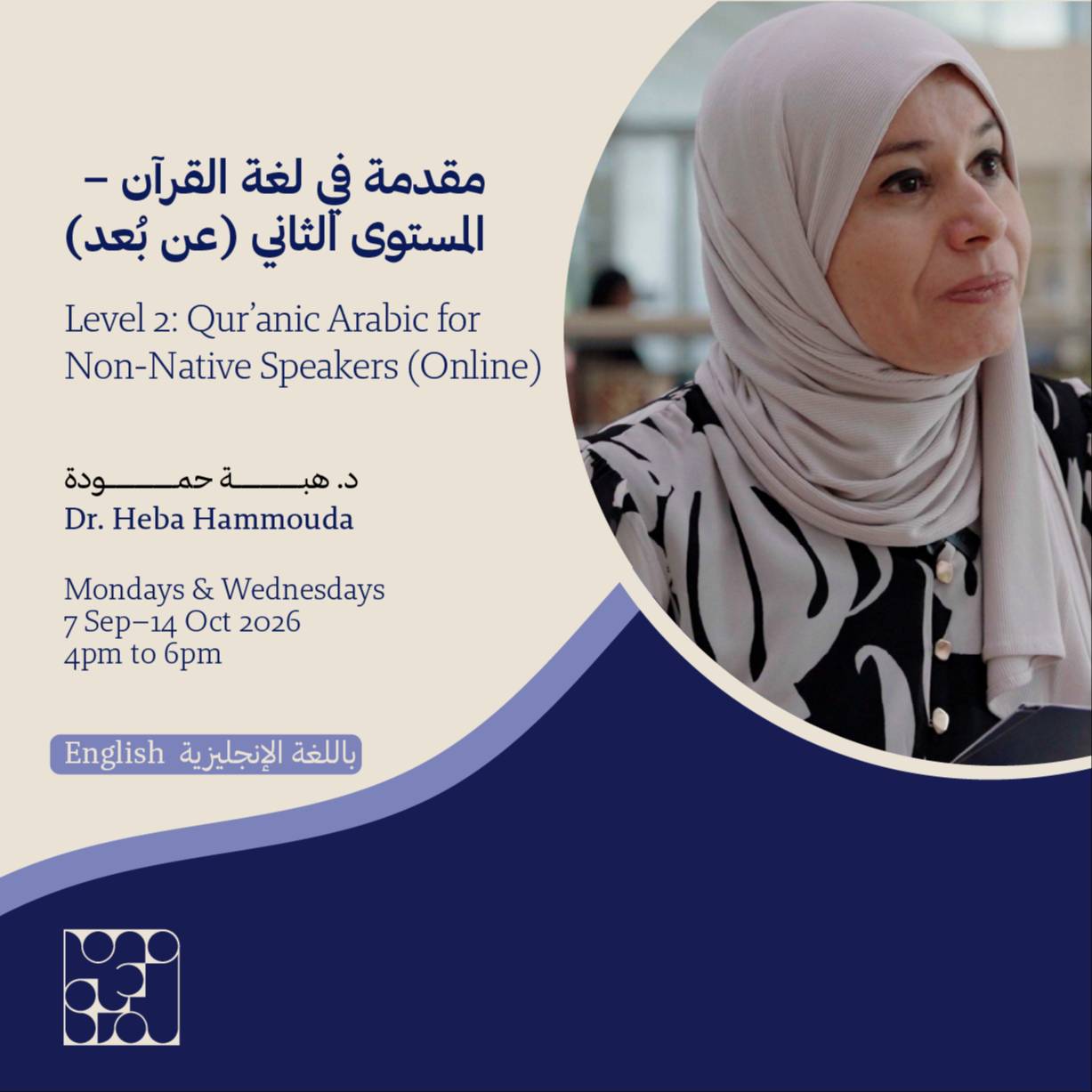
Level 2: Qur’anic Arabic for Non-Native Speakers (Online)
- Religious Programs
- En
 Paid
Paid
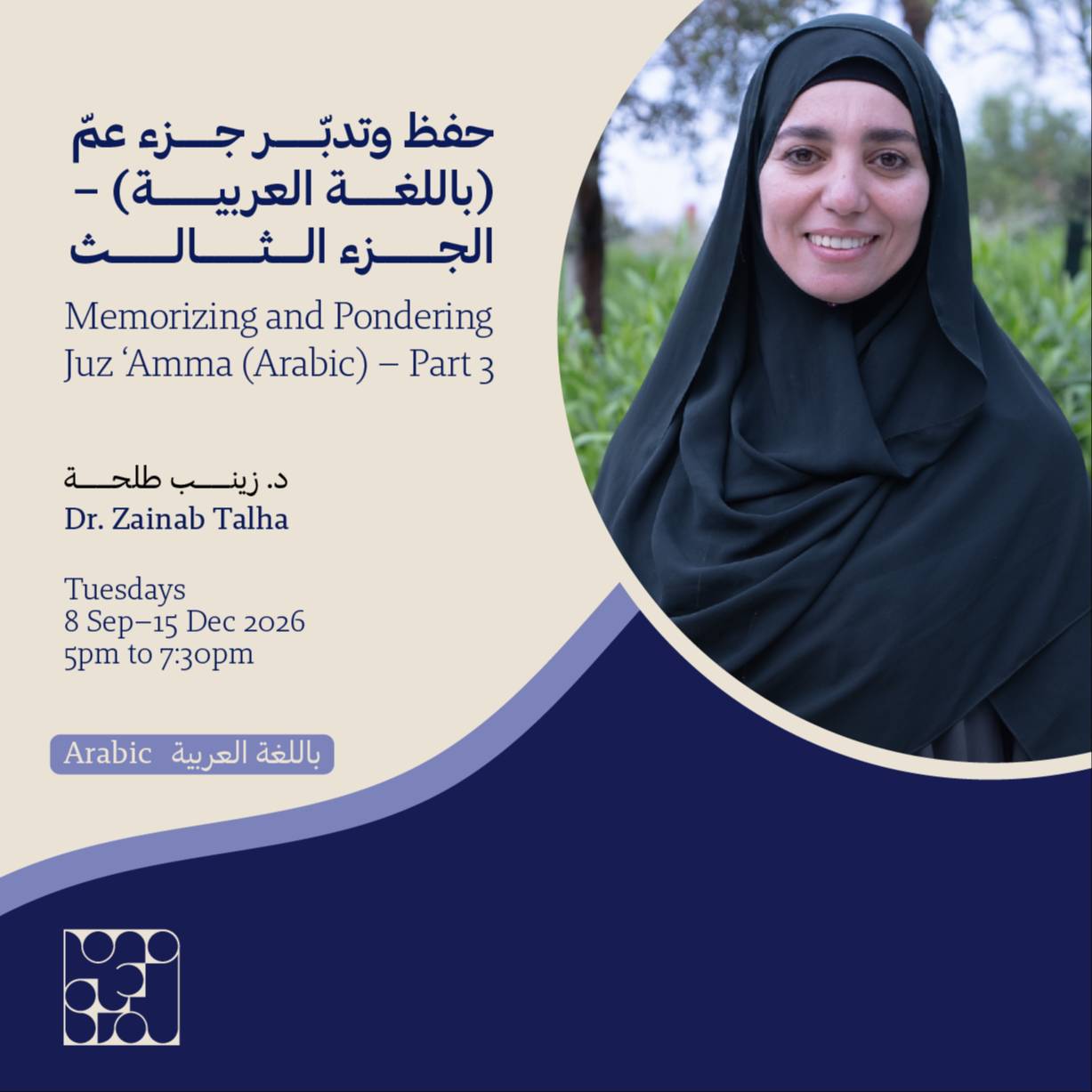
Memorizing and Pondering Juz ‘Amma (Arabic) – Part 3
- Religious Programs
- Ar
 Paid
Paid
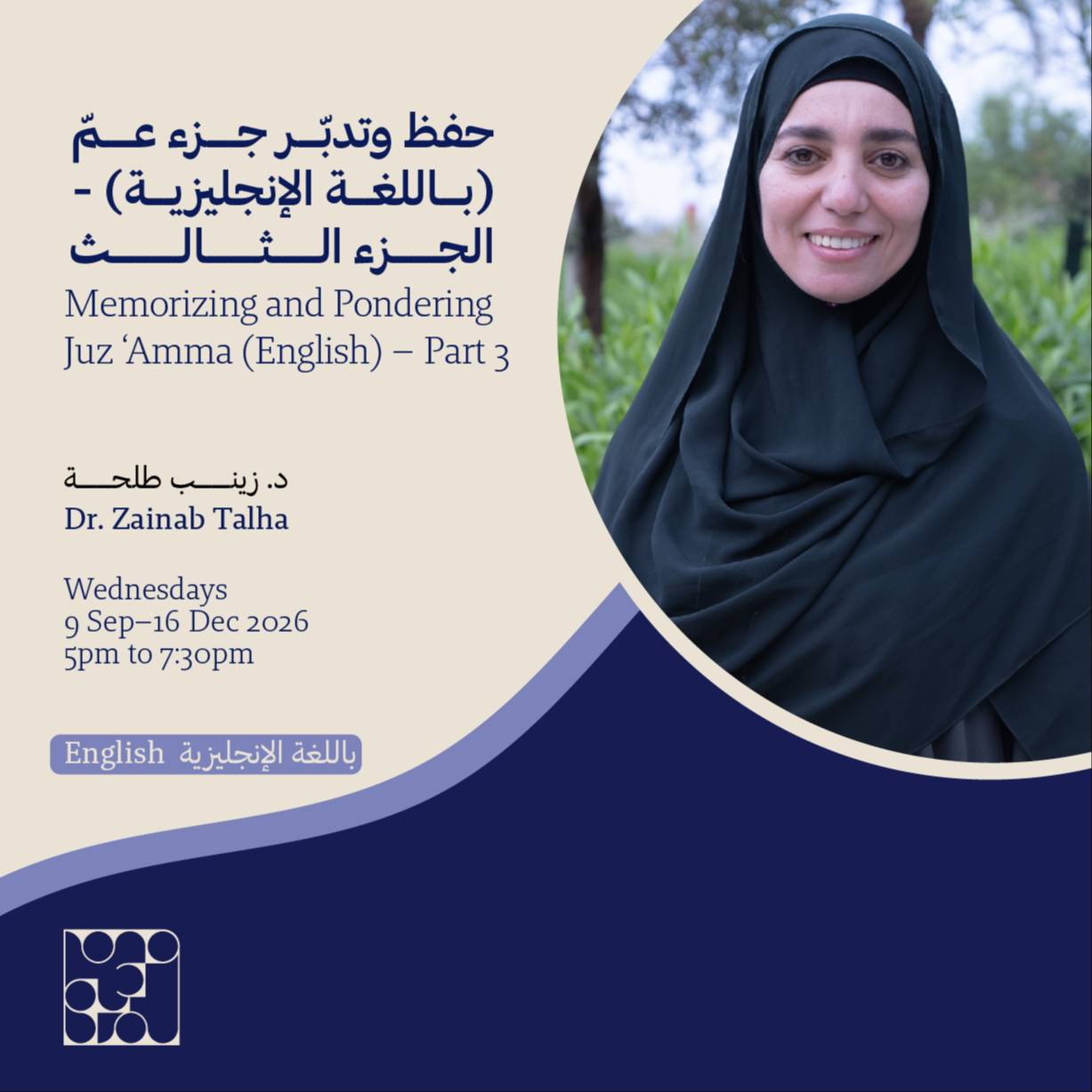
(English) Memorizing and Pondering Juz 'Amma (Part 3)
- Religious Programs
- En
 Free
Free
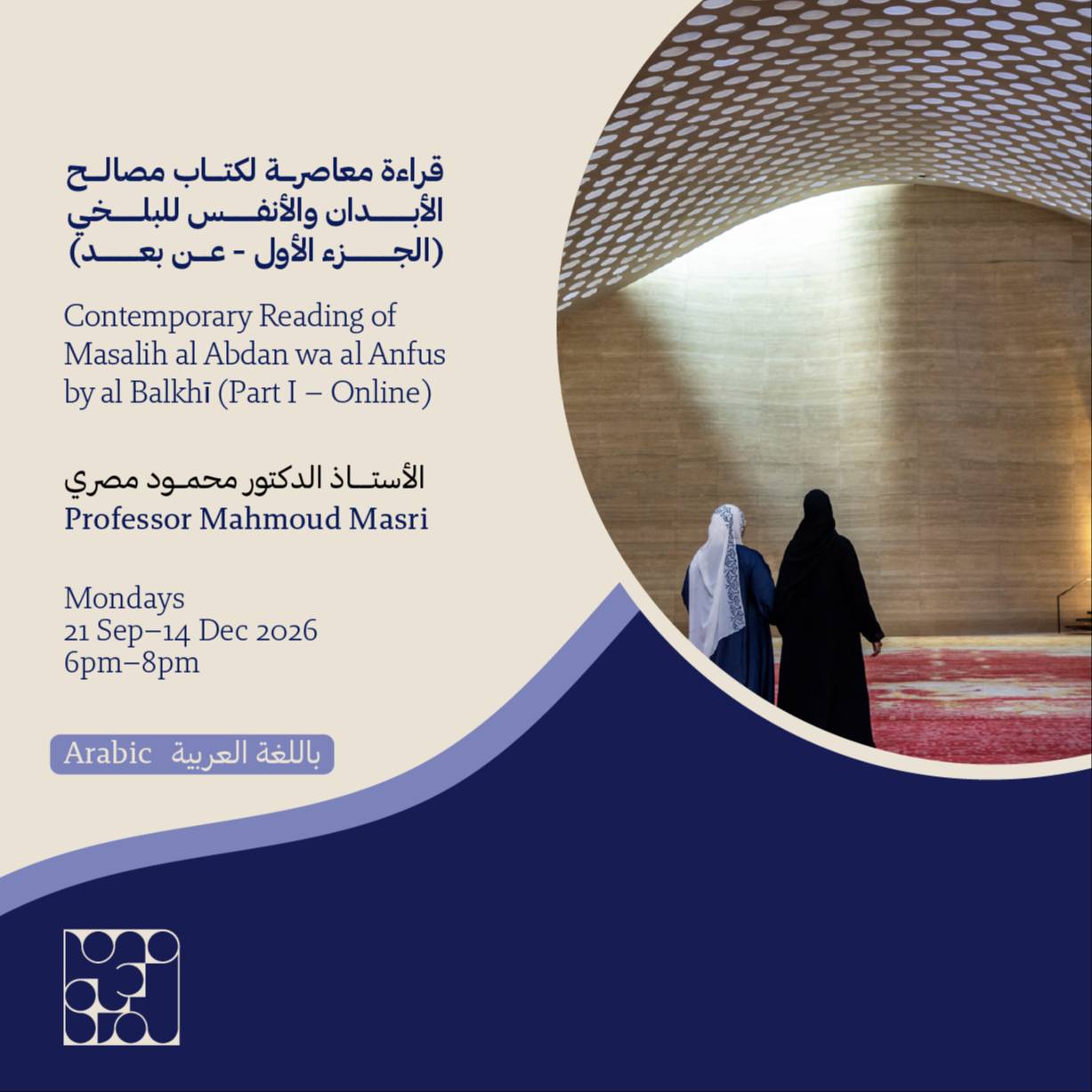
Contemporary Reading of Masalih al Abdan wa al Anfus by al Balkhī (Part I – Online)
- Religious Programs
- Ar