Programs & Events
How we Know: An Islamic Model of Knowledge
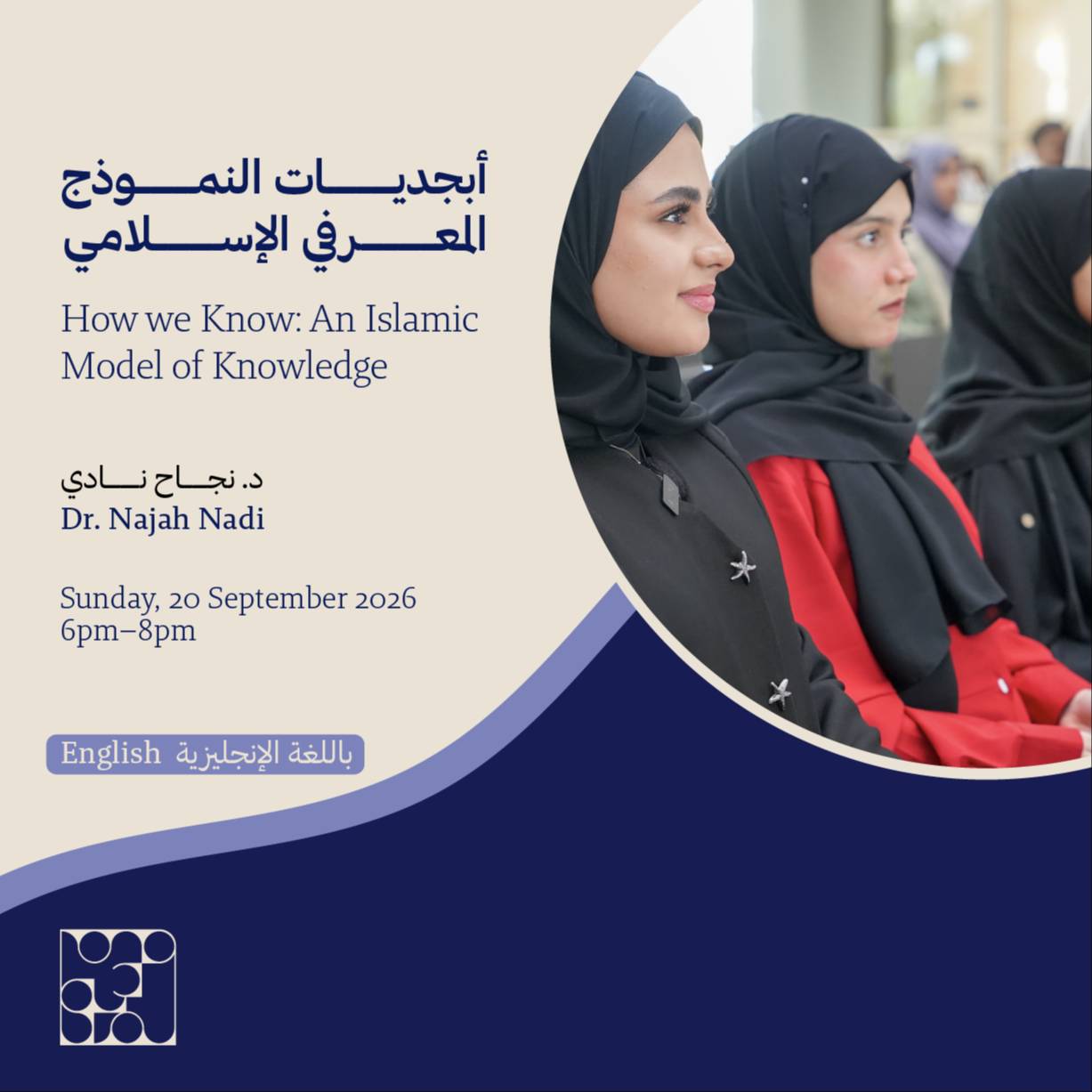
Islam is a tradition of knowledge. Our first command is to read (iqra'), followed by numerous commands to know, reflect, investigate, and contemplate. Learning how we know in Islam..
- Religious Programs
- Accessibility
- En
- Register
About this Event
Islam is a tradition of knowledge. Our first command is to read (iqra'), followed by numerous commands to know, reflect, investigate, and contemplate. Learning how we know in Islam is essential to fulfilling these Qur'anic commands. This lecture introduces the concepts of knowledge ('ilm), the knowable (ma'lūm), and the knower ('ālim) to show how the classical Islamic understanding of knowledge is tied to the concept of the human being and our role in this universe. The lecture then traces how Muslim scholars built a coherent epistemological model guiding the human faculties to apprehend realities through reason, revelation, and our inner and outer experiences of the world. The goal is to learn how to evaluate knowledge claims using the Islamic model of knowledge.
Meet our Speaker
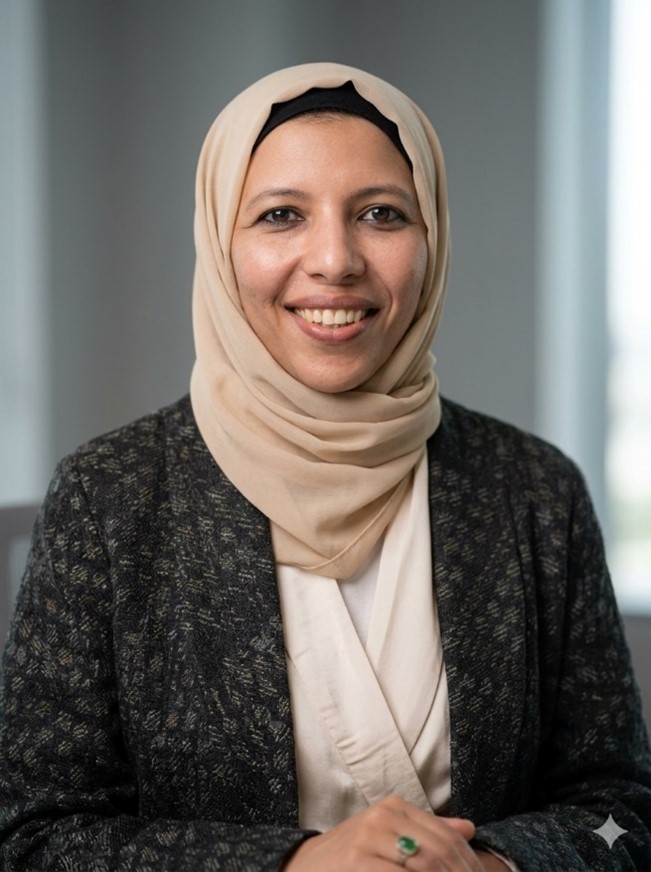
Dr. Najah Nadi
Her scholarly work is especially recognized for its examination of the intellectual legacy of the eminent Persian polymath Saʿd al-Dīn al-Taftāzānī (d. 792/1390), which forms the basis of her D.Phil. from the University of Oxford. She also holds an M.A. in Religious and Theological Studies from Boston University and a B.A. in Islamic Studies from al-Azhar University in Cairo.
Beyond the academy, Dr. Najah completed over a decade of traditional training at al-Azhar Mosque, earning teaching licenses (ijāzāt) across a range of Islamic sciences. She has further enriched her work through prestigious fellowships, including a Fellowship in Peace and Reconciliation at Virginia Theological Seminary and a fellowship at the Holberg Seminar on Islamic History at Princeton University. She also serves on the boards of several educational institutions around the world.
Recommended For You
 Paid
Paid
The Maqasid of the Qur’an and Its Surahs (Part 3)
- Religious Programs
- Ar
 Paid
Paid
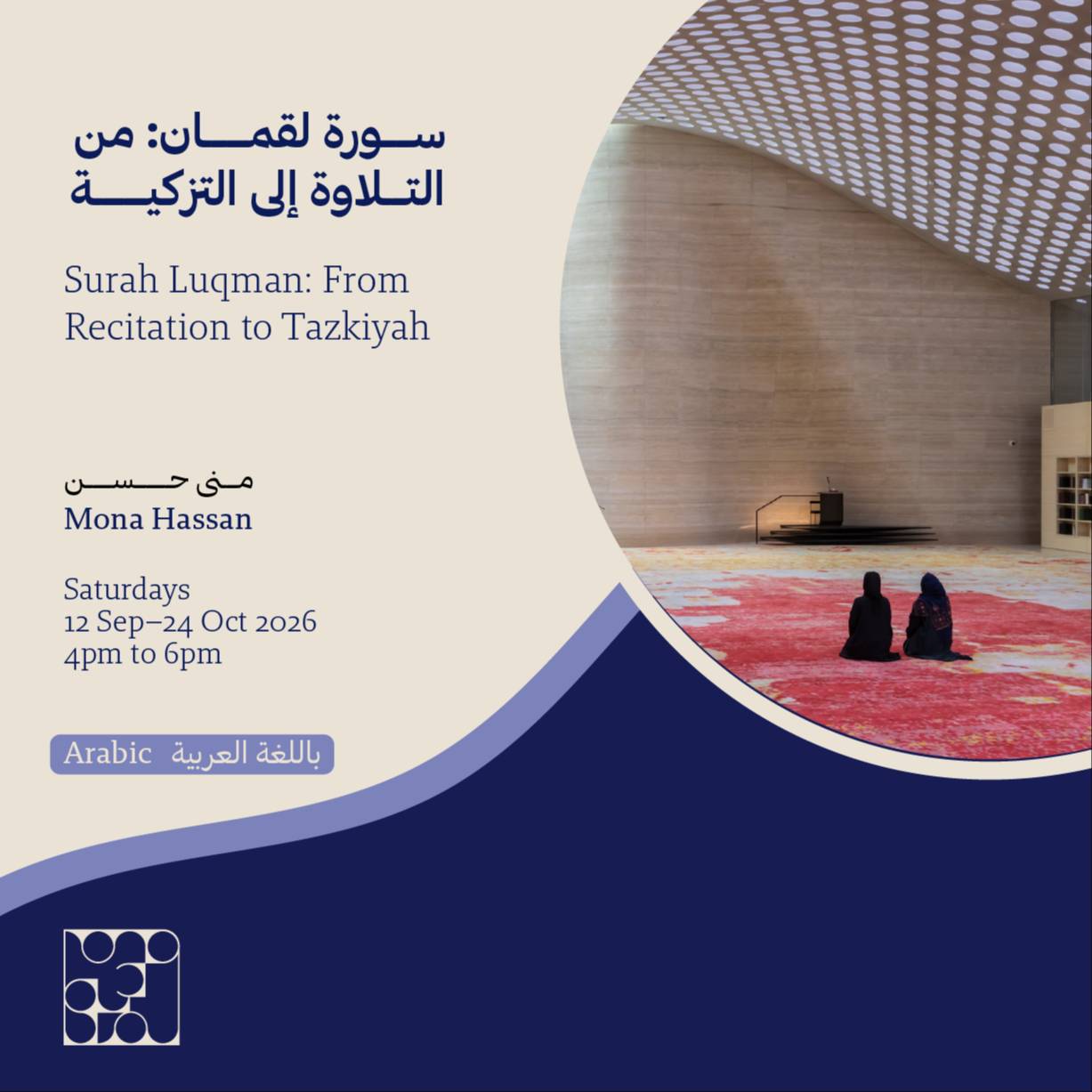
Surah Luqman: From Recitation to Tazkiyah
- Religious Programs
- Ar
 Paid
Paid
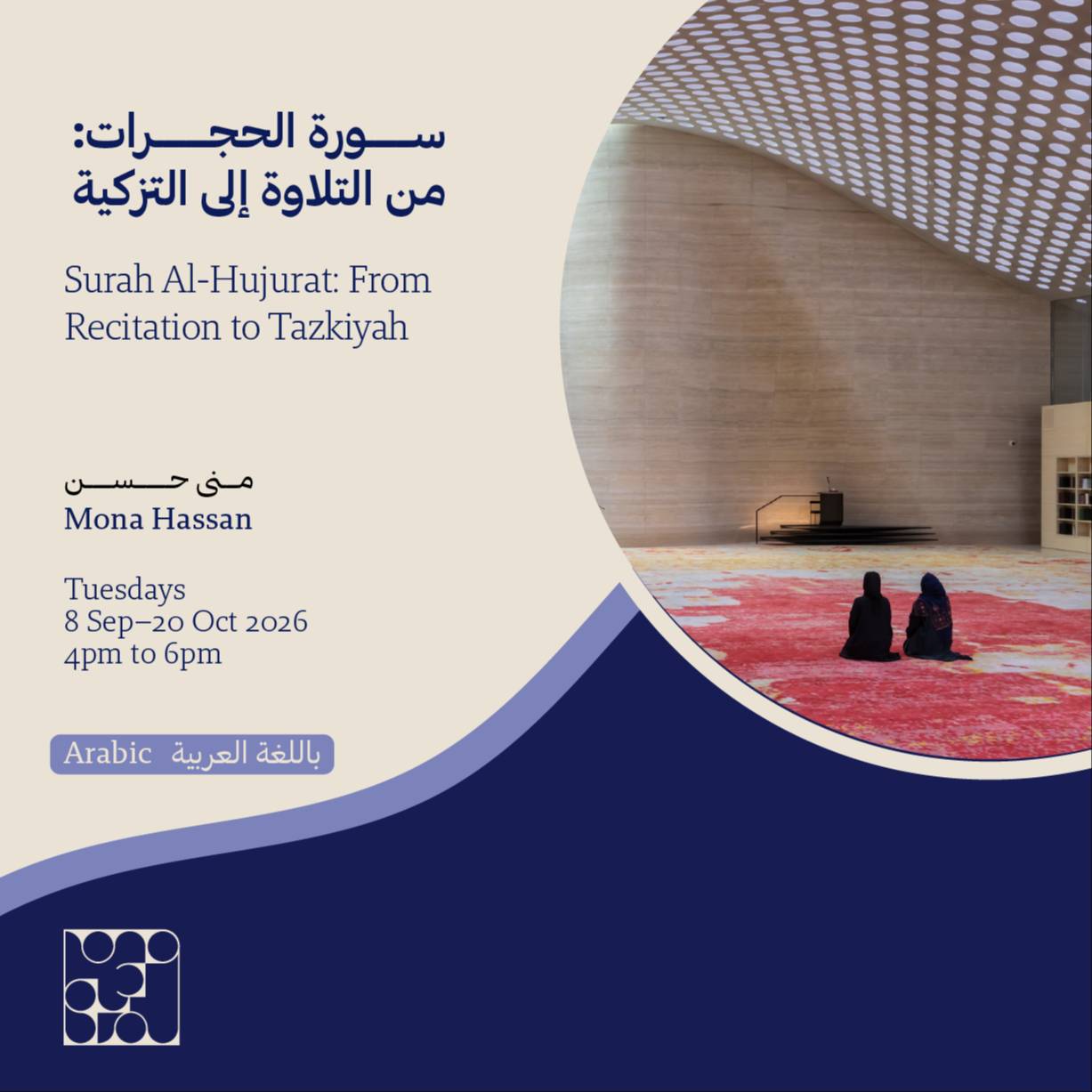
Surah Al-Hujurat: From Recitation to Tazkiyah
- Religious Programs
- Ar
 Paid
Paid
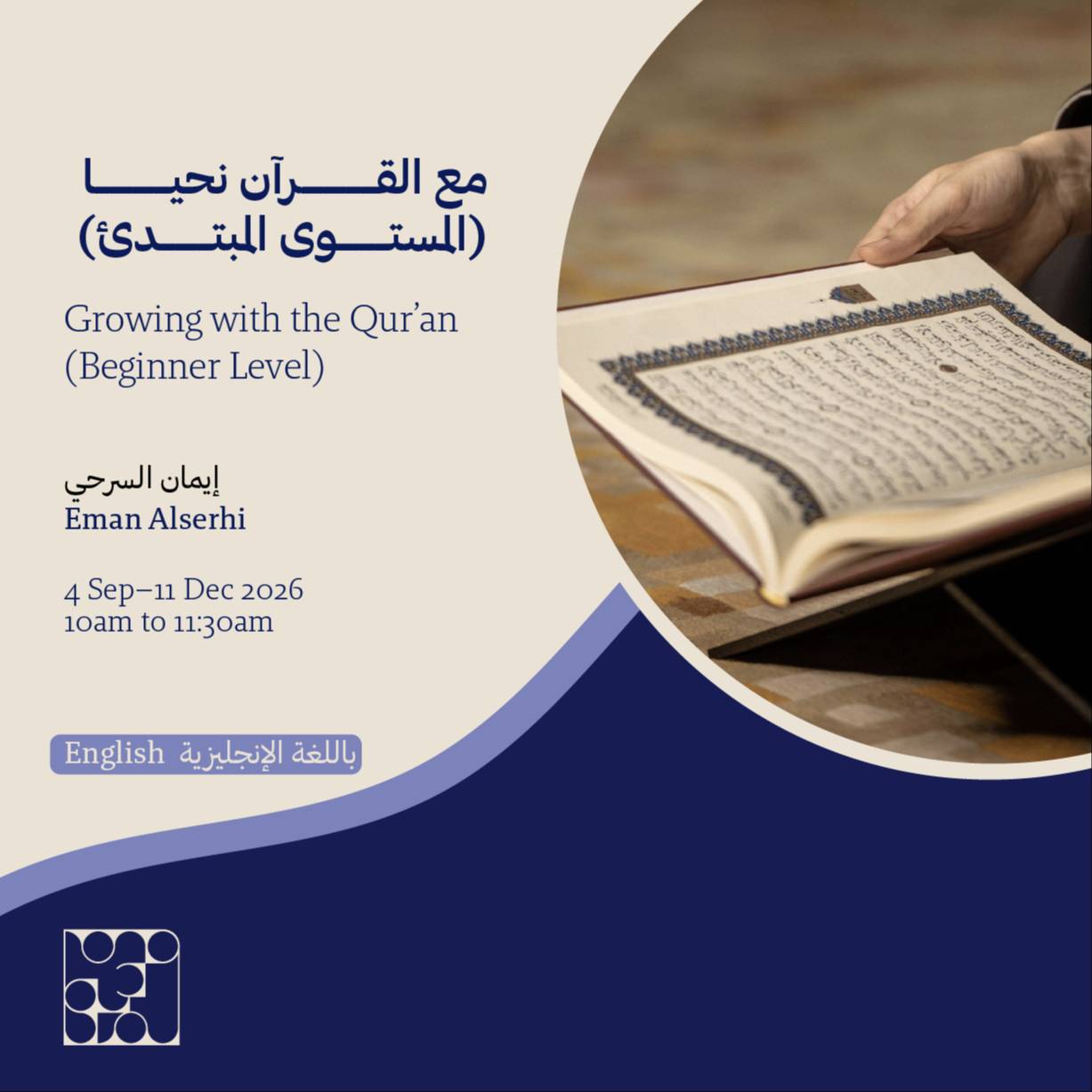
Growing with the Qur’an (Beginner Level)
- Religious Programs
- En
 Paid
Paid
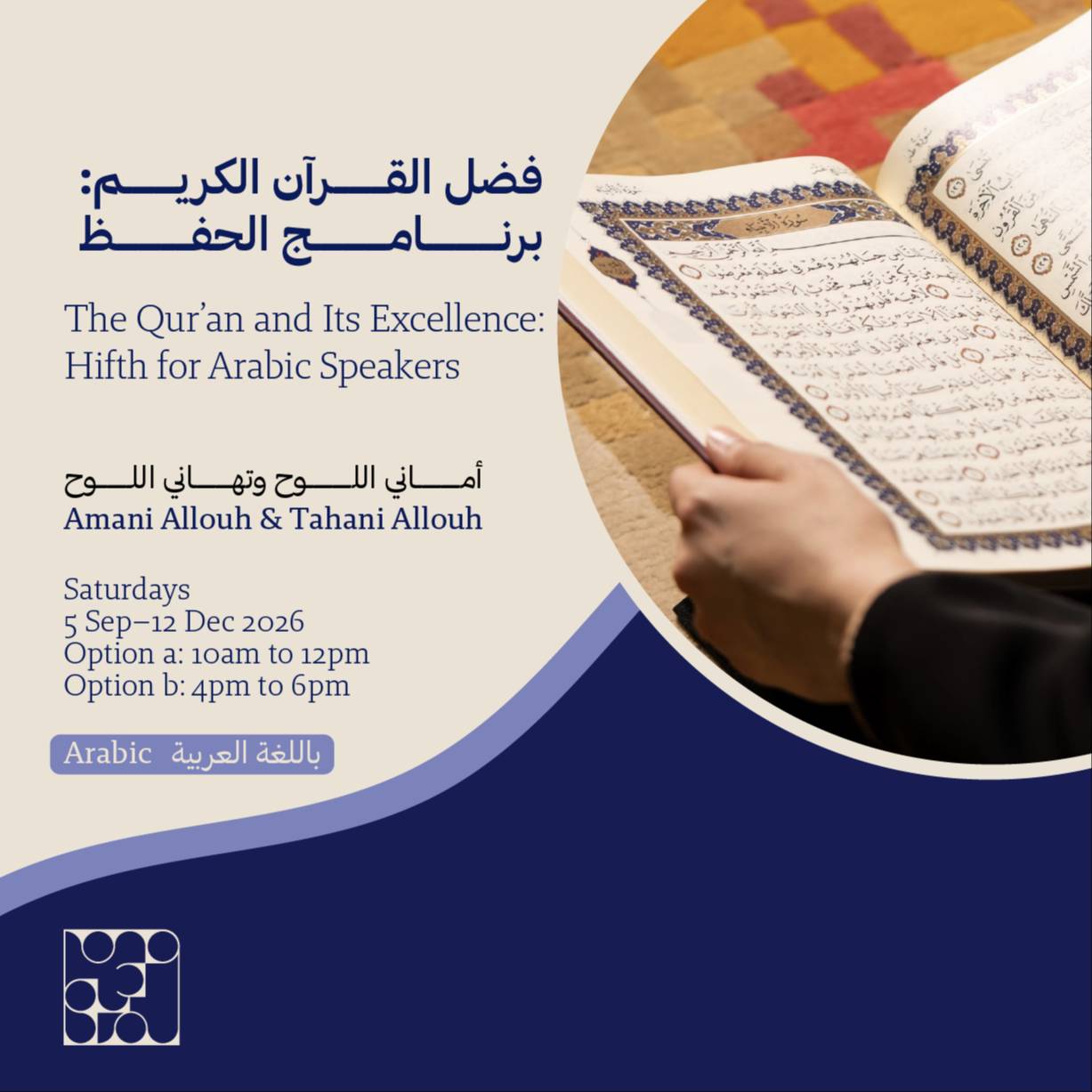
The Qur’an and Its Excellence: Hifth for Arabic Speakers
- Religious Programs
- Ar
 Free
Free
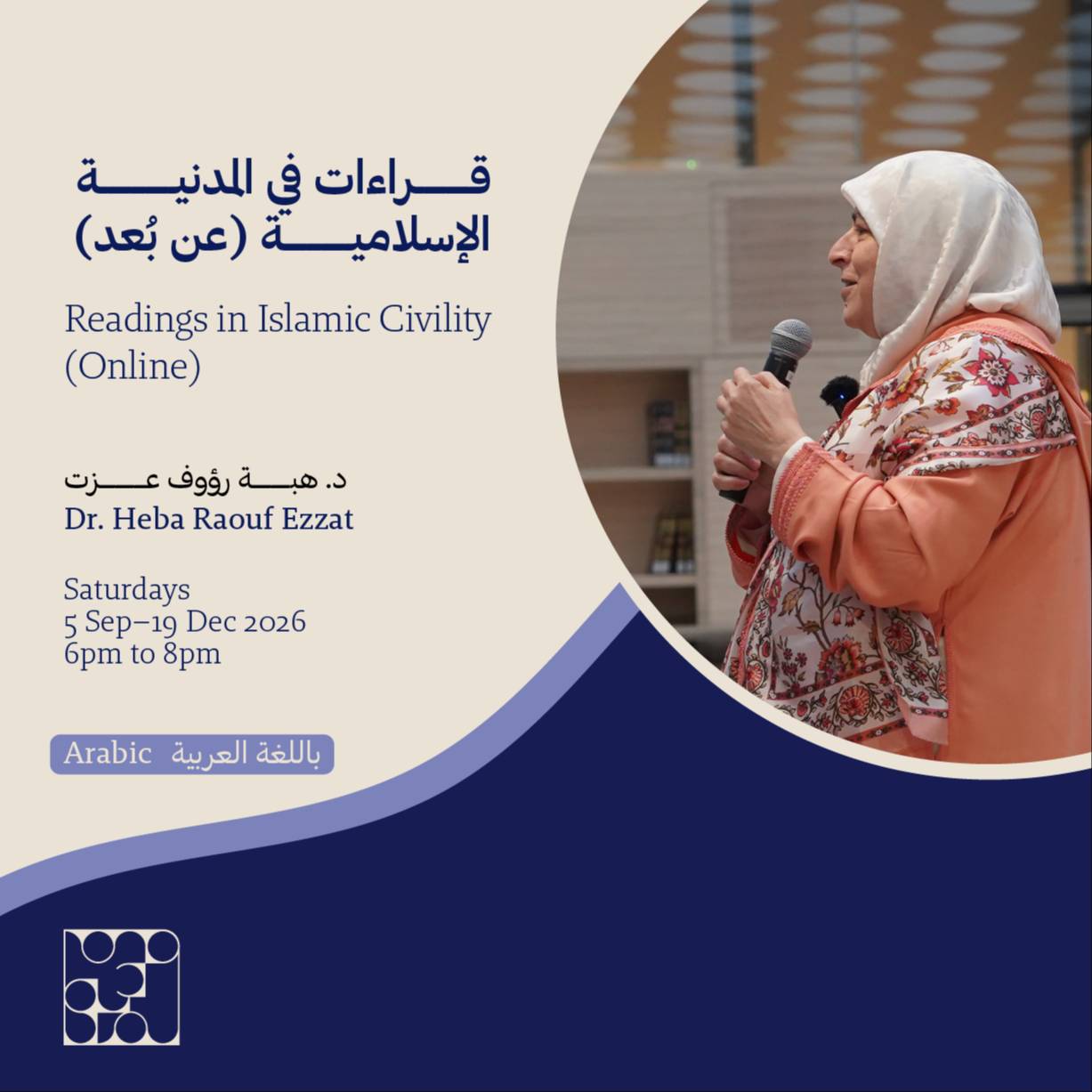
Readings in Islamic Civility (Online)
- Religious Programs
- Ar
 Paid
Paid
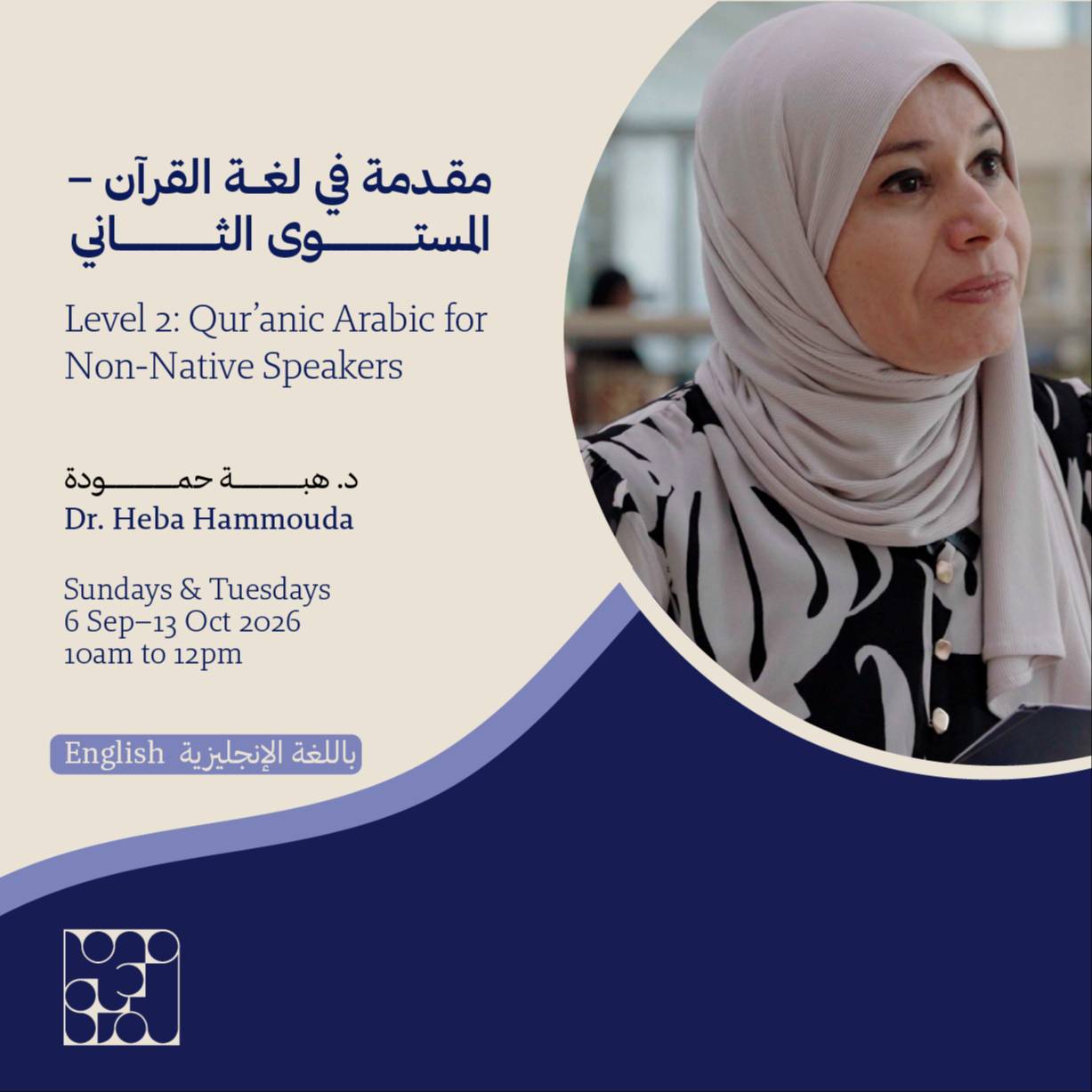
Level 2: Qur’anic Arabic for Non-Native Speakers
- Religious Programs
- En
 Paid
Paid
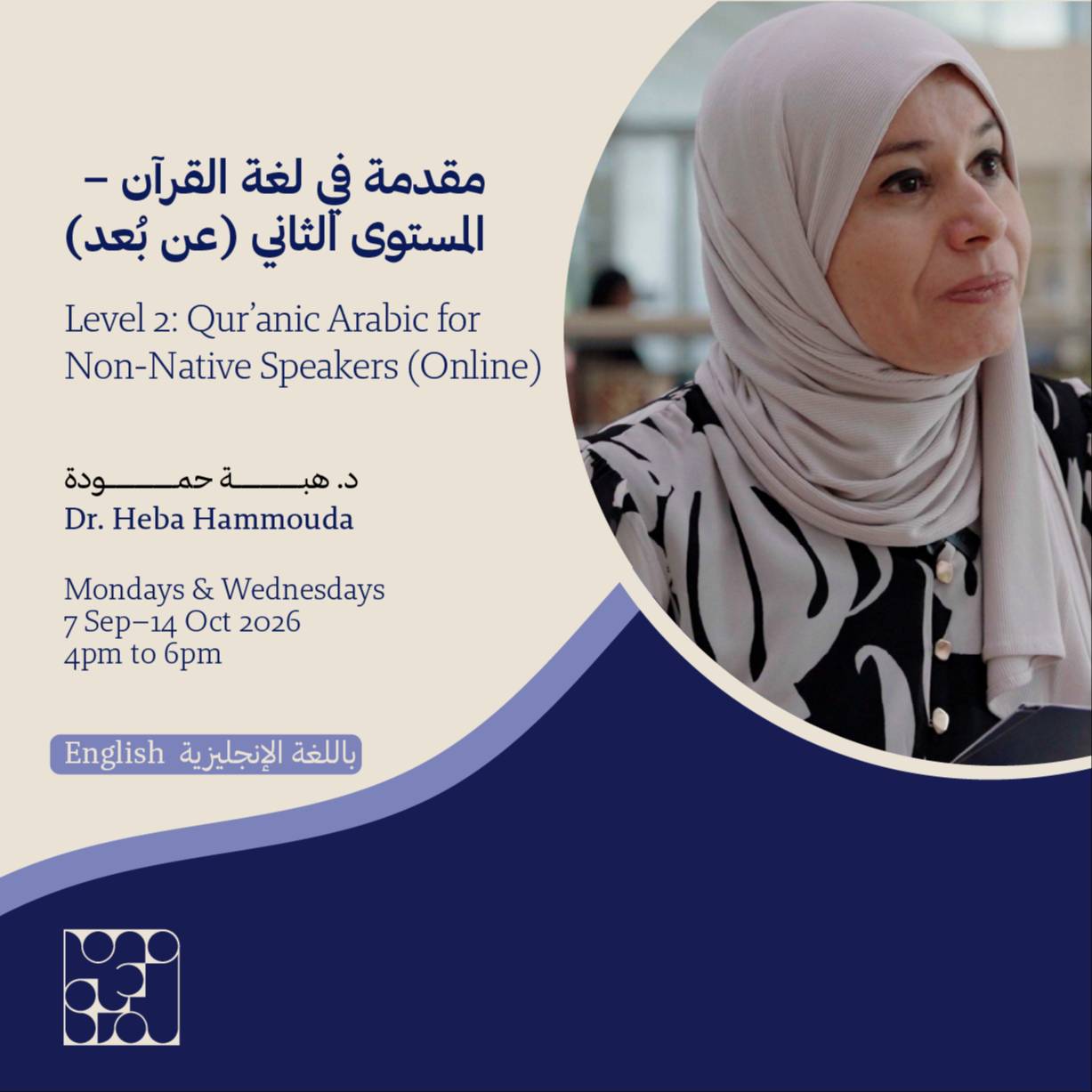
Level 2: Qur’anic Arabic for Non-Native Speakers (Online)
- Religious Programs
- En
 Paid
Paid
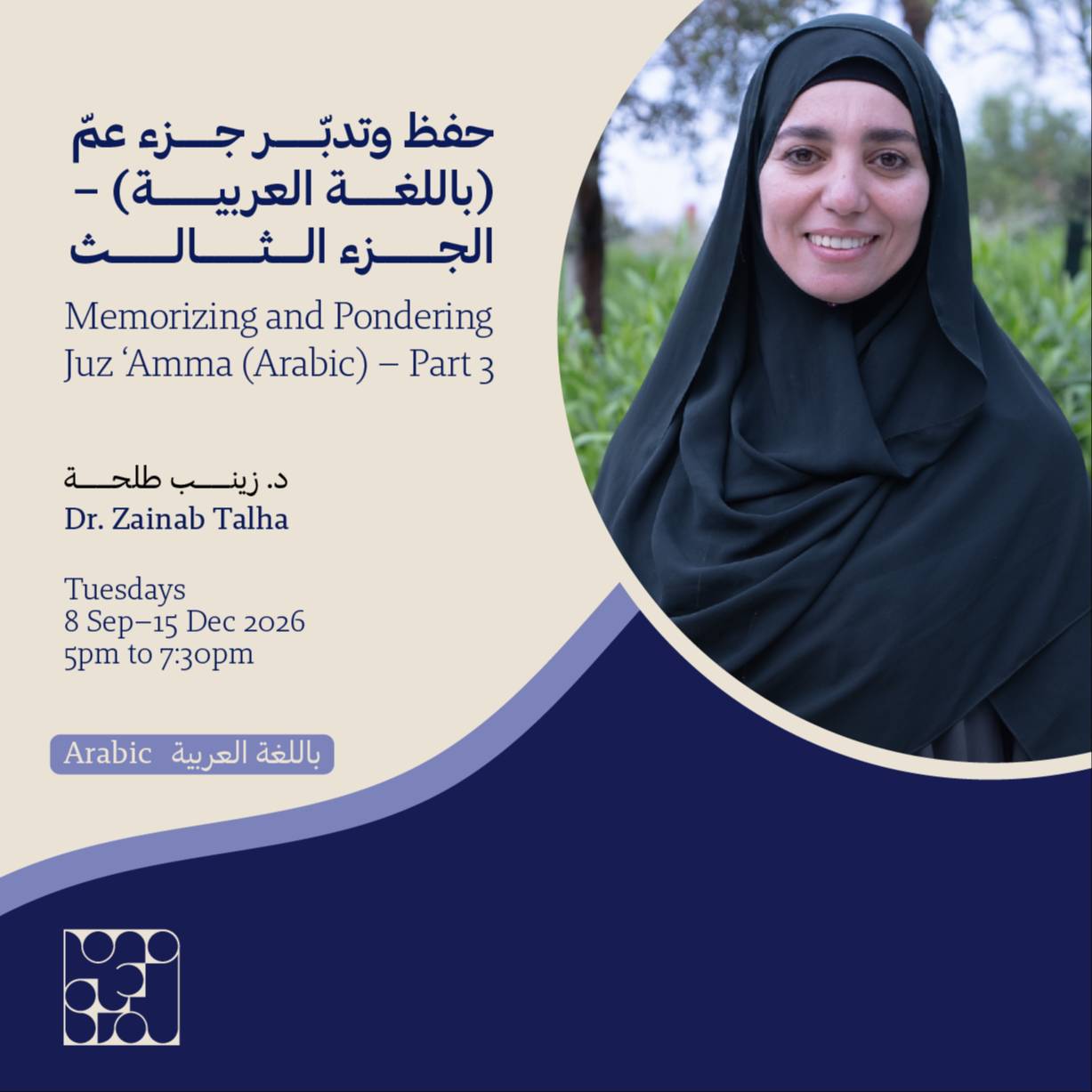
Memorizing and Pondering Juz ‘Amma (Arabic) – Part 3
- Religious Programs
- Ar
 Paid
Paid
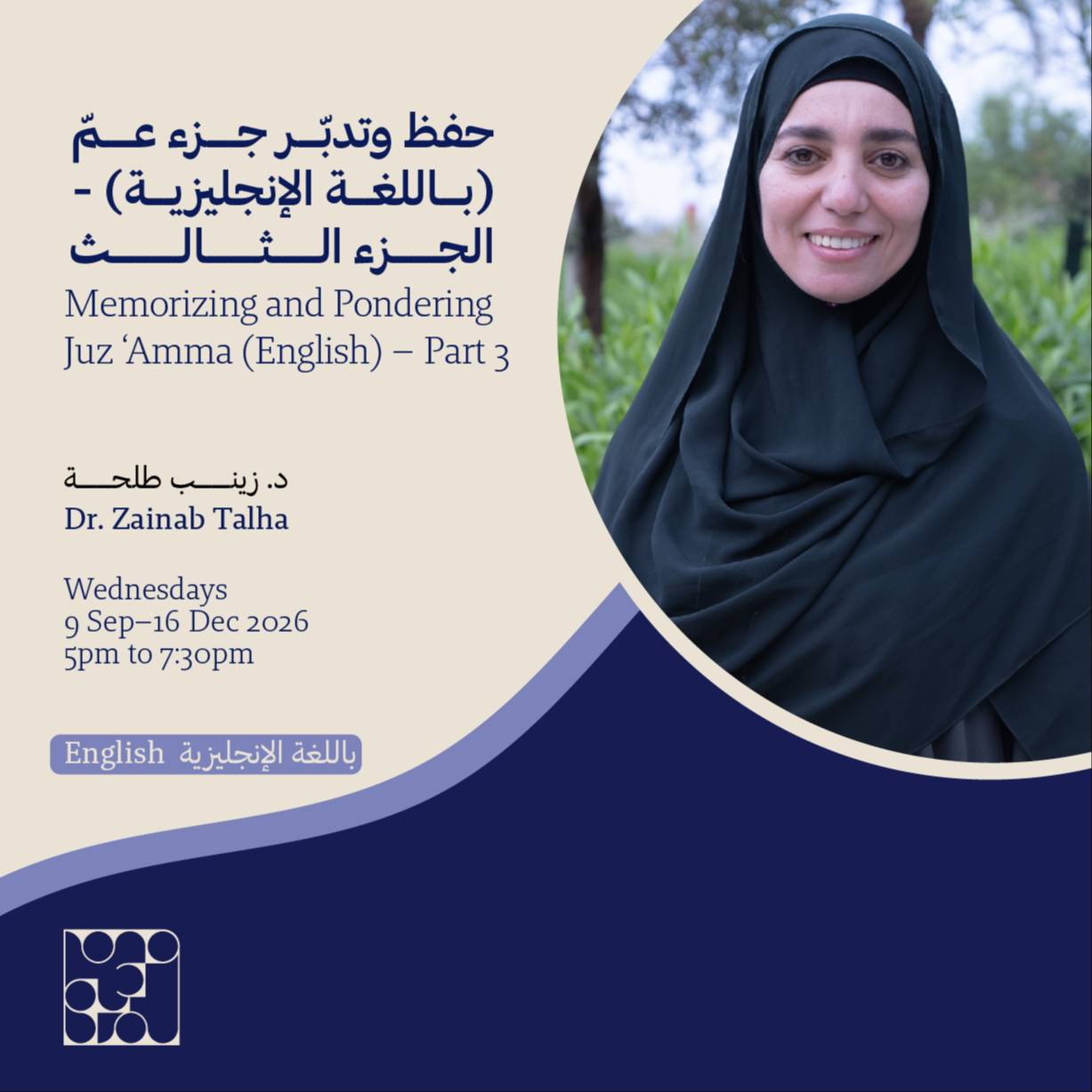
(English) Memorizing and Pondering Juz 'Amma (Part 3)
- Religious Programs
- En
 Free
Free
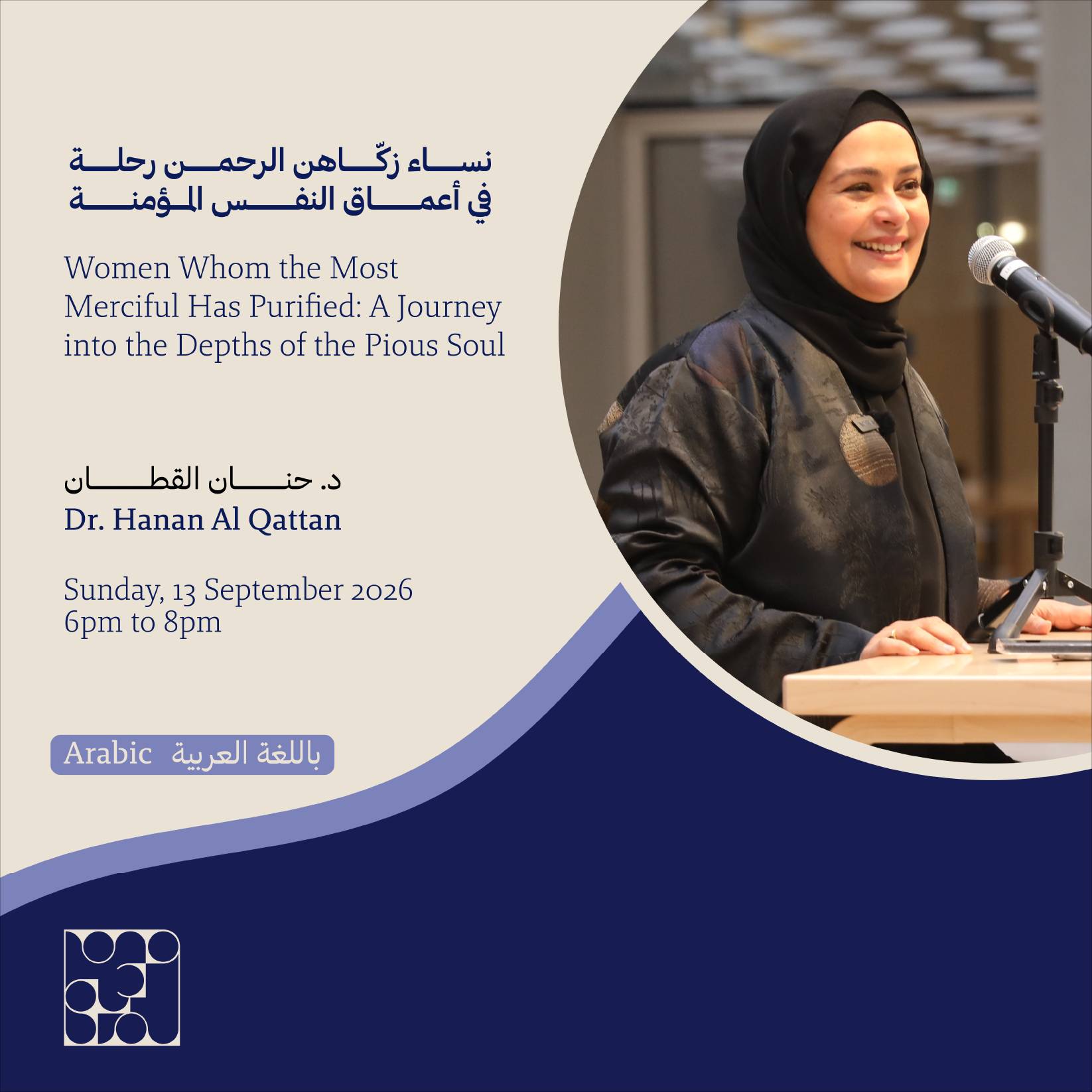
Women Whom the Most Merciful Has Purified: A Journey into the Depths of the Pious Soul
- Religious Programs
- Ar