فيلم
العودة
مقال
لماذا توقفت عن الانتظار:
ما تعلّمتُه في «رعاية» عن التغيير الذي يبدأ بنا
There was a moment during Ri’aya when someone said something that stuck with me: “If we keep handing everything over to others — to the West, to men, to anyone but us—how will we create environments where Muslim women actually belong?”
كان السؤال يثقل صدري. والحقيقة هي أنني كنت أتخلى عن زمام الأمور طوال حياتي دون أن أدرك ذلك. كنت أنتظر أن ترحب بي المساحات بدلاً من أن أبنيها بنفسي. كنت قد أقنعت نفسي بأن دوري كمهندسة كان محدوداً وتقنياً ومنفصلاً عن الأسئلة الأوسع نطاقاً المتعلقة بمن يحق له تشكيل عالمنا وكيف.
كنت أعتقد في السابق أن التاريخ لا علاقة له بي. كطالبة هندسة حاسوب، كان عالمي يقتصر على الدوائر الكهربائية والبرمجة، والخوارزميات، وهياكل البيانات. وعندما كانت المحادثات تتطرق إلى الاستعمار، أو الاستشراق، أو العدالة البيئية، كنت أنأى بنفسي عنها. كانت هذه الموضوعات تبدو لي سياسية للغاية، وبعيدة جدًّا عن العمل التقني الذي أحببته. كنت أعتقد أن الهندسة توجد في فضاء نقي ومحايد، حيث لا أهمية لفوضى التاريخ والسلطة. كنت مخطئًا. ذلك الاعتقاد —بأن عملي منفصل عن هذه القوى الأكبر— لم يكن مجرد سذاجة؛ بل كان ترفًا لم أكن أستطيع تحمله في الواقع. لأنه بينما كنت منكبًّا على كتب الدراسة، كان هناك من يقرر أي المشكلات تستحق الحل، وأصوات من لها أهمية في بناء المستقبل، وكيف ينبغي أن يبدو ذلك المستقبل أصلاً.
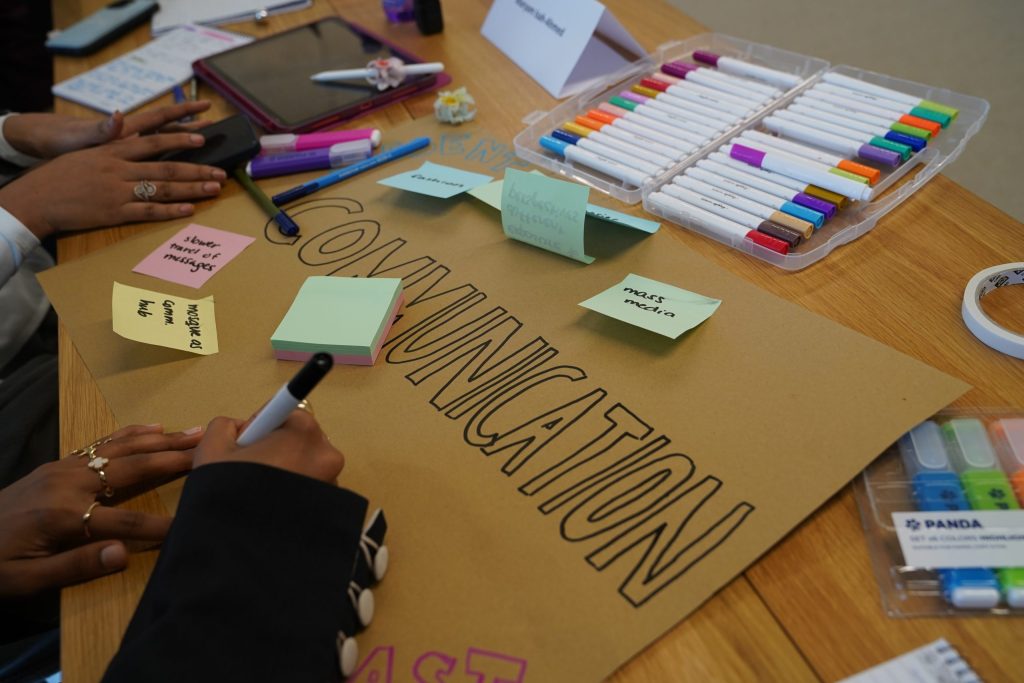
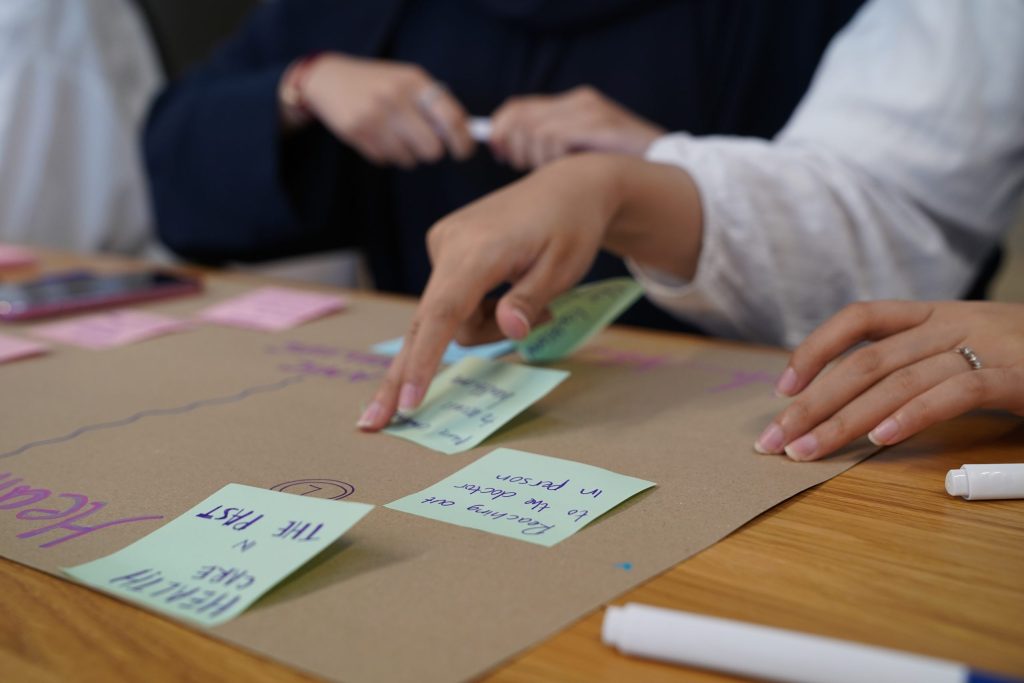
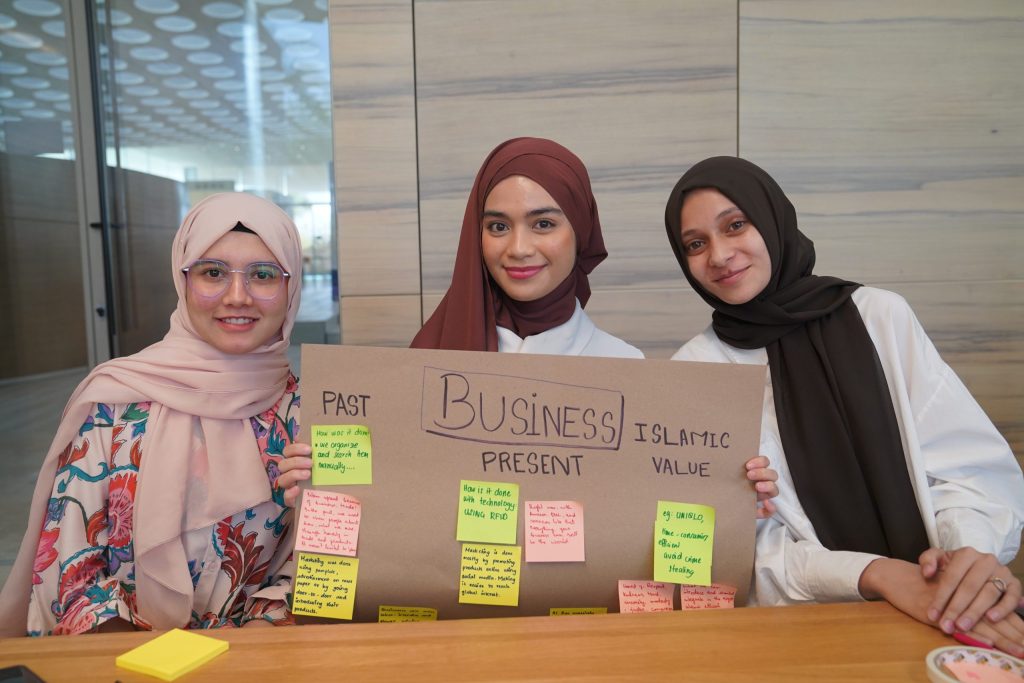
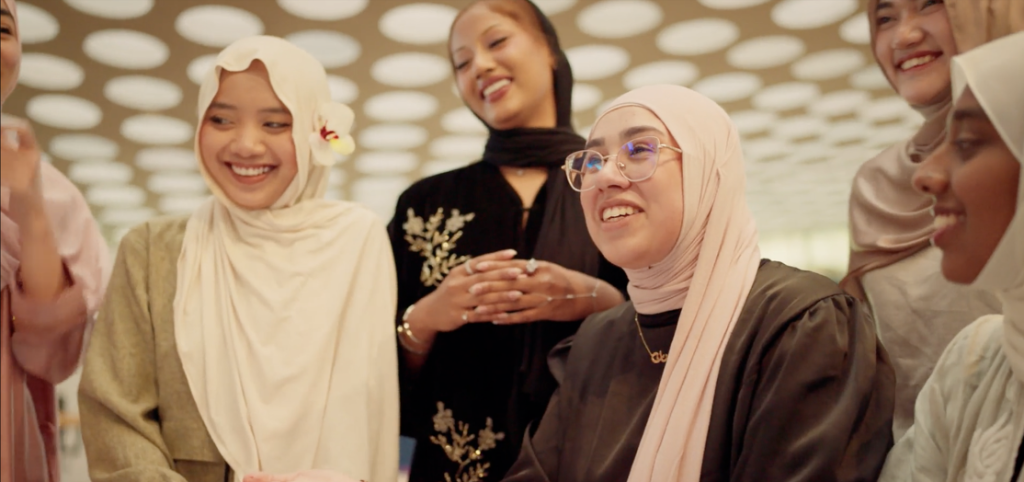
Ri'aya was created for young Muslim women who are asking what it means to live with faith, clarity, and purpose in a rapidly changing world.
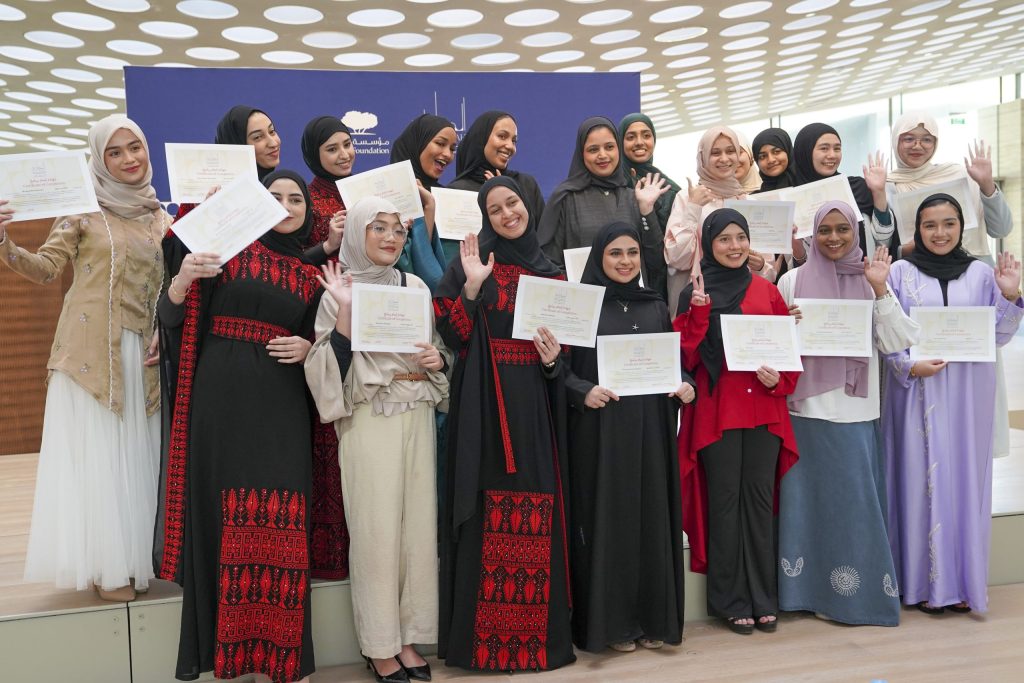
Through engaging workshops, insightful lectures, and dedicated mentorship, Ri’aya provides you with the tools to make a positive impact in your community and beyond.
Through Ri’aya and Al-Mujadilah, I learned that community isn’t just nice to have, it’s the foundation of everything. Ms. Mahveen stayed connected with us long after the program ended, checking in, linking us together, building networks that felt less like transactions and more like ecosystems. She showed me that this is how change actually happens: women holding doors open for each other, sharing resources, making space.
The program is designed to strengthen participants' confidence, intellectual growth, ethical foundations, and understanding of history - rooted in faith and identity.
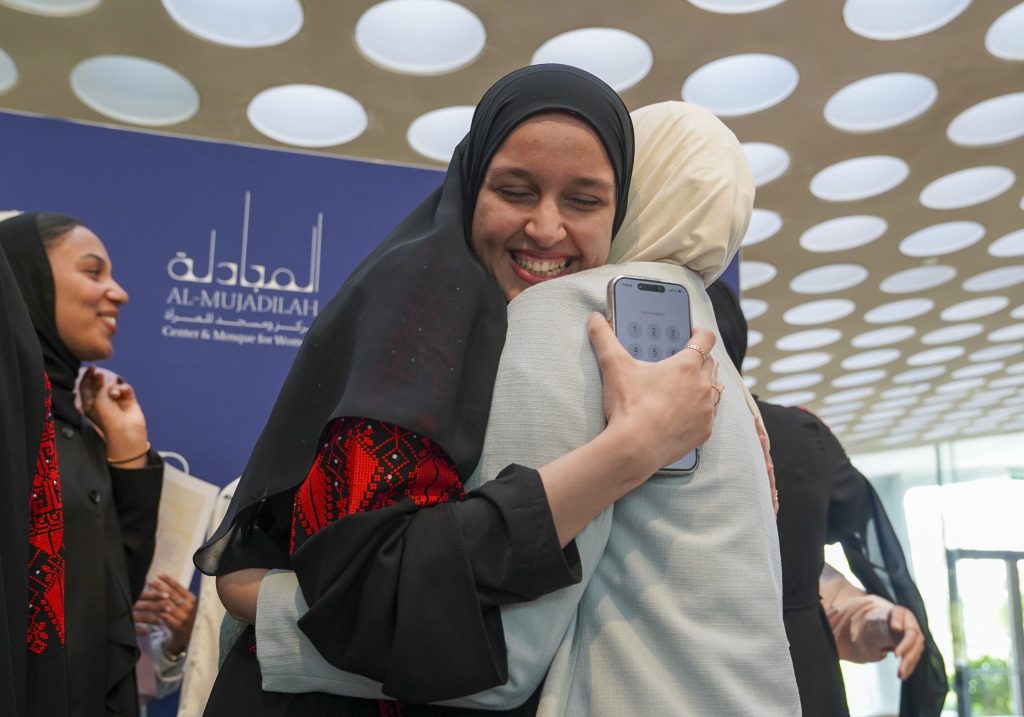
Then came Jadal, another Al-Mujadilah initiative. My close friend Jannah Alemadi and I presented research titled “From Makeup Kits to Microchips” – exploring the stigma facing women engineers and how we could be the beginning of real change in our fields.
We weren’t accepted to continue with the program. But rejection has a strange way of clarifying things. It pushed me to stop theorizing about problems and start building solutions. لقد أظهرت لي أن التغيير يحدث فعليًّا بهذه الطريقة: النساء يفتحن الأبواب لبعضهن البعض، ويتشاركن الموارد، ويوفّرن المساحة.
That rejection became Bidaya.
TARTEEL EMAN:
Bidaya (meaning “beginning” in Arabic) is an Al-powered career discovery platform for high school students in Qatar. We took Bidaya to a Google-sponsored hackathon in Abu Dhabi and won first place, competing against projects led by PhD students and established researchers. But winning was just another beginning. What Bidaya really is: it’s my answer to that question from Ri’aya.
TE:
She showed me that this is how change actually happens: women holding doors open for each other, sharing resources, and making space.
TE:
It taught me that sometimes the most important work begins exactly where the doors close.
WHY THIS MATTERS: BUILDING FOR US, BY US
There’s a narrative that says women should care for children and families, and somehow that’s supposed to keep us at home. But Ri’aya taught me to ask: what if caring for the next generation means building the systems that will guide them? What if nurturing means creating the tools they need to discover who they’re meant to become?
Content Blocks #7 / Sections #5 / Text
Ri’aya gave me something I didn’t know I was missing: permission to see my engineering work as inseparable from my faith, my identity, my responsibility to my community. It taught me that our technical skills aren’t just about solving abstract problems they’re about justice, about access, about building futures where Muslim women don’t just participate but lead.
Al-Mujadilah built the community that held me through every beginning. They showed me what’s possible when women refuse to wait for spaces to welcome them and instead build the spaces they need.
Ri'aya gave me something I didn't know I was missing: permission to see my engineering work as inseparable from my faith, my identity, my responsibility to my community.
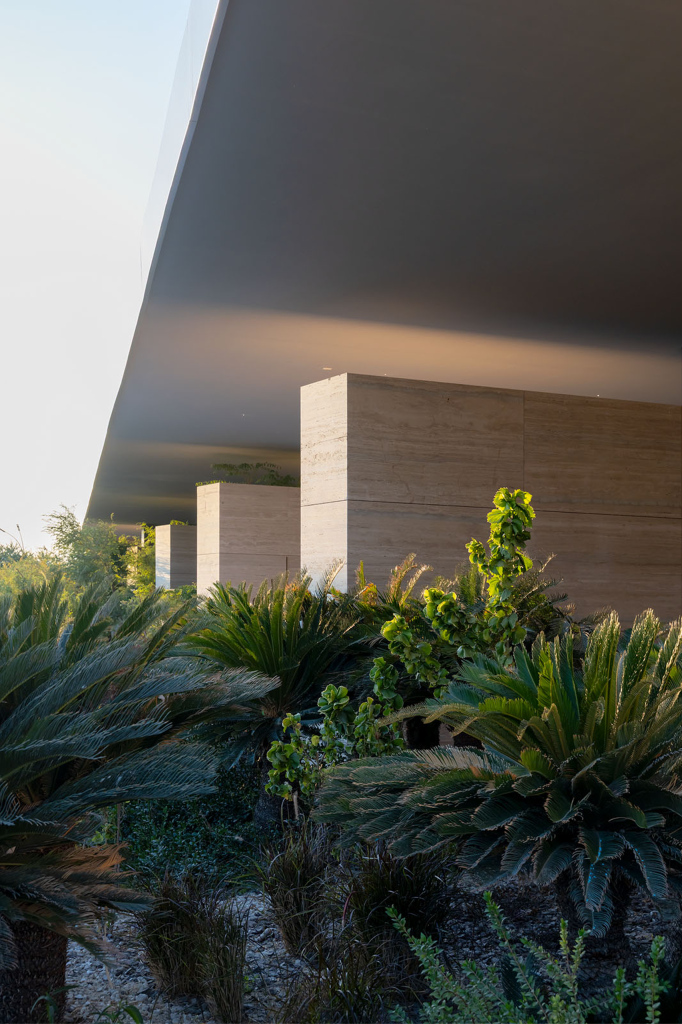
Note: As a leadership-building program, Ri’aya is designed to support young Muslim women in gaining a deeper understanding of Islamic ethics, Muslim history, and contemporary trends and challenges.
So I stopped waiting. I started building.
And if you’re reading this, wondering whether you should take that first step toward the thing that keeps you up at night, the organization you want to start, the project you’ve been dreaming about, the idea you think might be too big or too small or too uncertain, let this be your sign.
Your beginning doesn’t need permission. It doesn’t need perfect conditions. It just needs you to start. The spaces we need won’t build themselves. The futures we imagine won’t arrive on their own. But they will come if we’re brave enough to begin.
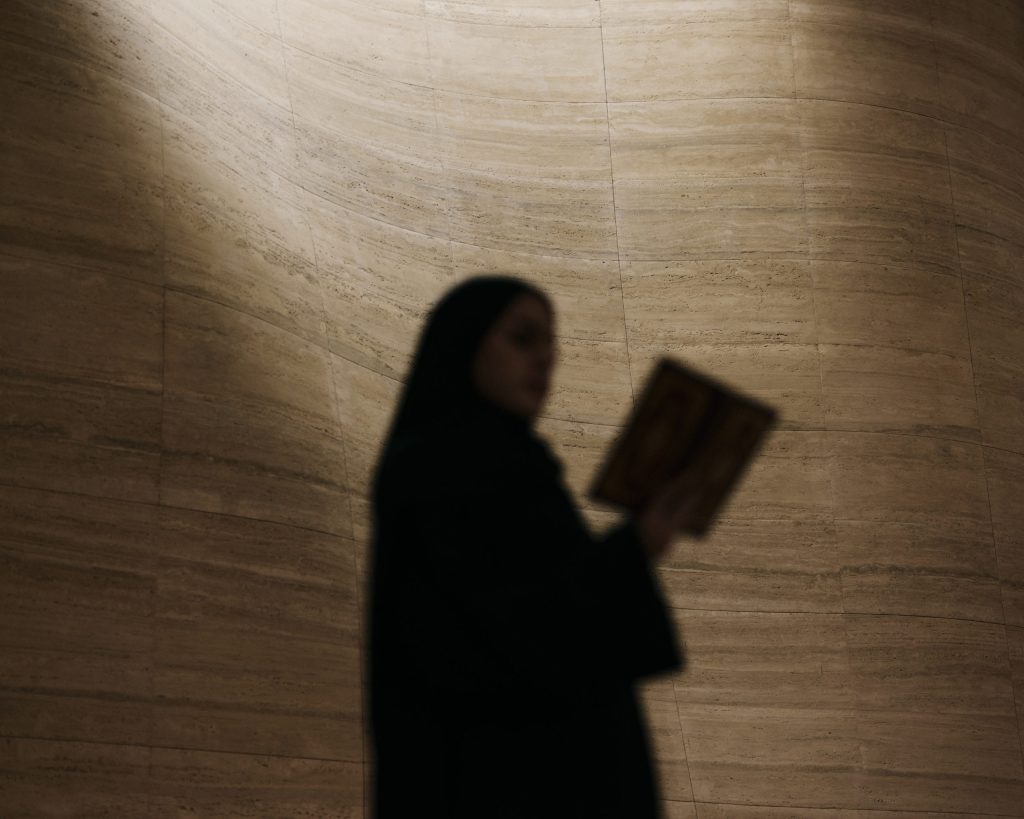
نعم، باستثناء صلاة الجمعة الأسبوعية. أما فيما عدا ذلك، فإن المجادلة مخصصة للنساء فقط خلال أيام وساعات العمل من الأحد إلى الخميس، حيث توفر مساحة للتعلم والبحث.
الصورة ١:
نعم، باستثناء صلاة الجمعة الأسبوعية. أما فيما عدا ذلك، فإن المجادلة مخصصة للنساء فقط خلال أيام وساعات العمل من الأحد إلى الخميس، حيث توفر مساحة للتعلم والبحث.
الصورة ٢:
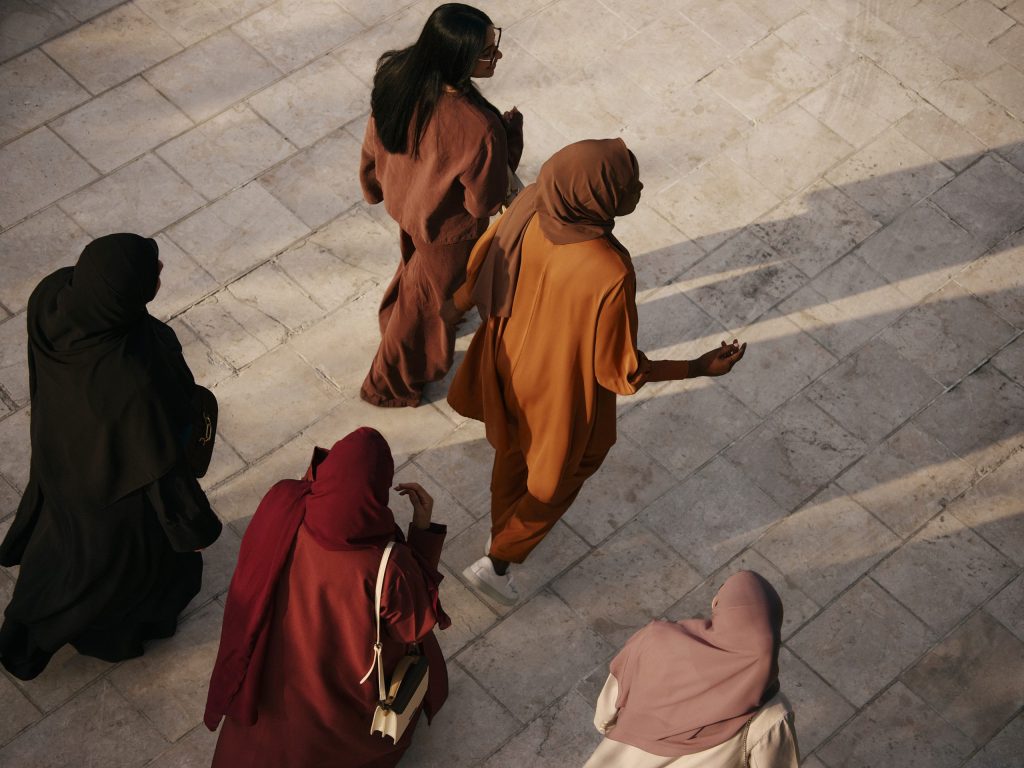
تشكيل مجتمع للنساء يفتح أمامهن آفاقًا تتيح لهن تقديم مساهمات إيجابية وإيجاد حلول لهذه التحديات.
1: نعم، باستثناء صلاة الجمعة الأسبوعية. أما فيما عدا ذلك، فإن المجادلة مخصصة للنساء فقط خلال أيام وساعات العمل من الأحد إلى الخميس، حيث توفر مساحة للتعلم والبحث.
2: تشكيل مجتمع للنساء يفتح أمامهن آفاقًا تتيح لهن تقديم مساهمات إيجابية وإيجاد حلول لهذه التحديات.
أبرز النقاط ذات الصلة
مقال