Programs & Events
With a Full Heart: Understanding Refugee Trauma and Sustaining Yourself as a Volunteer
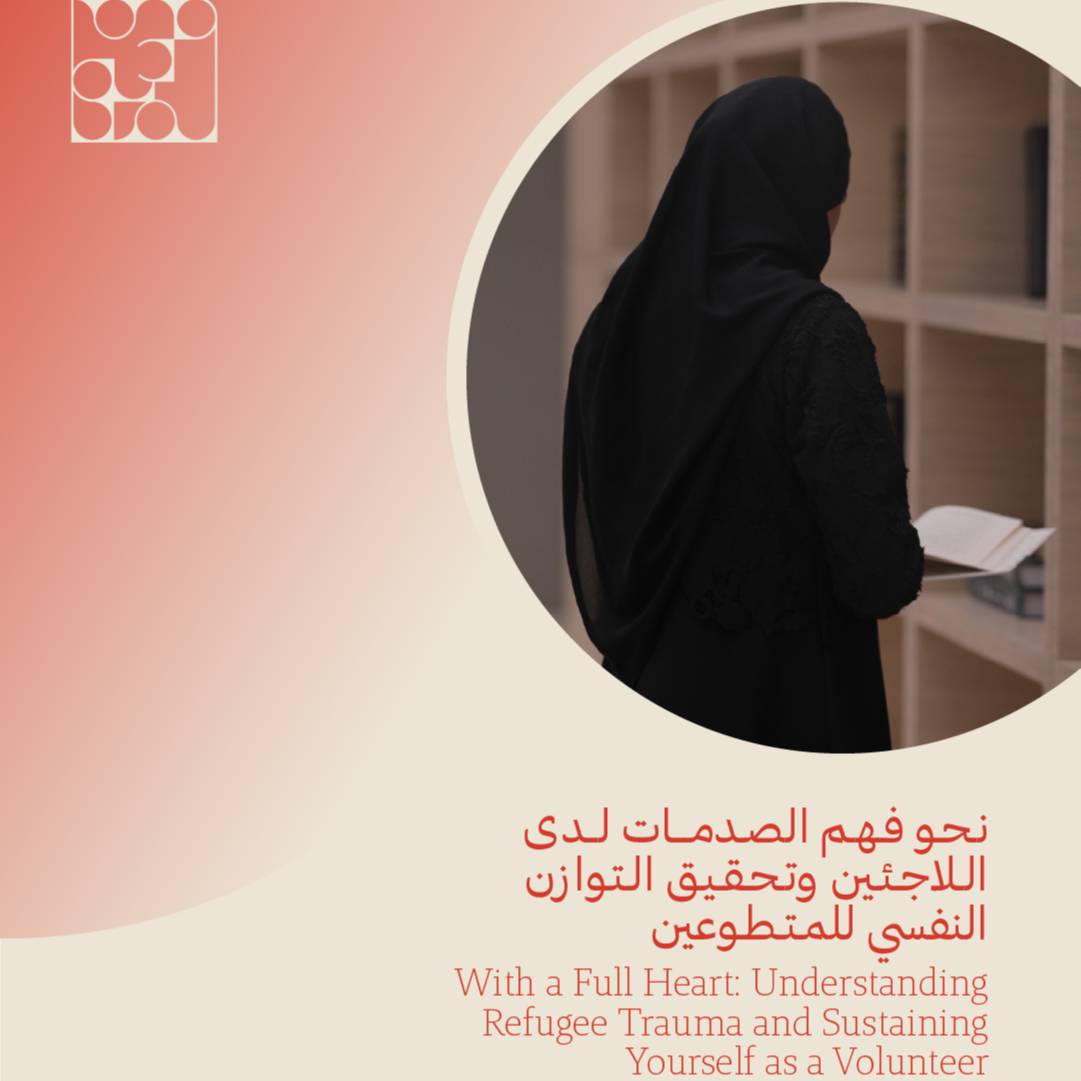
This workshop is designed as a special opportunity for people who volunteer with communities suffering from trauma such as refugees. The workshop will be divided into two interconn..
- Developmental Programs
- En
- Register
About this Program
This workshop is designed as a special opportunity for people who volunteer with communities suffering from trauma such as refugees. The workshop will be divided into two interconnected parts, moving from outward awareness to inward care. Dr. Zulqayda will begin by acknowledging the emotional weight volunteers are already carrying as witnesses to the suffering of others, and framing the workshop as an act of care, both for the refugees they serve, and for themselves.
This workshop is offered for free for active volunteers as a recognition to their social contributions. Nevertheless, and due to limited seats, we require completing an application form. Accepted applicants will then receive an e-mail response with approval of admission including a code for free registration.
Workshop Outline
Part 1: Understanding the People You Serve
This section equips volunteers with accessible, up-to-date knowledge on refugee and displacement trauma, with specific attention to the Gazan context. Topics include the complexity of layered and ongoing trauma, how distress shows up in behavior and body language, and what meaningful, non-professional support actually looks like in practice. Volunteers will leave with a simple framework for offering safe presence, recognizing when someone needs professional help, and making that referral with care.
Part 2: Tending to Yourself as a Witness
This section turns inward, addressing the emotional and spiritual toll of volunteer work. Drawing on both Islamic psychology and current research on compassion fatigue and vicarious trauma, we explore how concepts such as sabr and tawakkul offer active psychological tools, not just spiritual ideals as many may think. Participants will practice concrete self-regulation techniques rooted in Islamic tradition, and reflect on sustainable ways to nourish their hearts while continuing to serve.
Learning Outcomes
By the end of this workshop, participants will be able to:
Describe what makes refugee trauma uniquely complex, with specific relevance to the Gazan context
Recognize signs of trauma responses in the people they volunteer with
• Apply a simple, practical framework for offering meaningful support as a non-professional
• Identify when a refugee needs professional help and how to make that referral with sensitivity
• Name the emotional risks volunteers face and recognize early warning signs in themselves
• Use at least two self-regulation practices drawn from Islamic tradition to protect their wellbeing
• Articulate why self-care is a religious obligation and identify one sustainable practice to carry forward.
If you find it difficult to cover the fees and require financial assistance, please apply for a fee waiver at this link:
Al-Mujadilah Fee Waiver Request Form | 2026 Summer Cycle | طلب إعفاء الرسوم – Fill out form
Volunteer Form
Meet our Instructor

Dr. Zulkayda Mamat
Dr. Mamat received her PhD in Medical Sciences (Cognitive Neuroscience) from the University of Cambridge, where her research examined the relationship between thought suppression, memory, and mental health. In addition to her scientific training, Dr. Mamat holds a Diploma in Islamic Psychology from the Cambridge Muslim College. She has delivered lectures on neuroscience and its clinical applications to cohorts of practicing therapists and has contributed to research and training initiatives in Islamic psychology.
Dr. Mamat has extensive experience in teaching and mentorship across diverse global contexts. She has designed and taught courses on human cognition, communication, and leadership, and has worked with students in international settings, including teaching high school and university-level learners in Jerusalem and Johannesburg.
She is concerned with how young people navigate identity, self-worth, and meaning in the context of social, cultural, and digital influences. She is committed to equipping students with tools to cultivate resilience, ethical awareness, and a grounded sense of self.
Recommended For You
 Paid
Paid
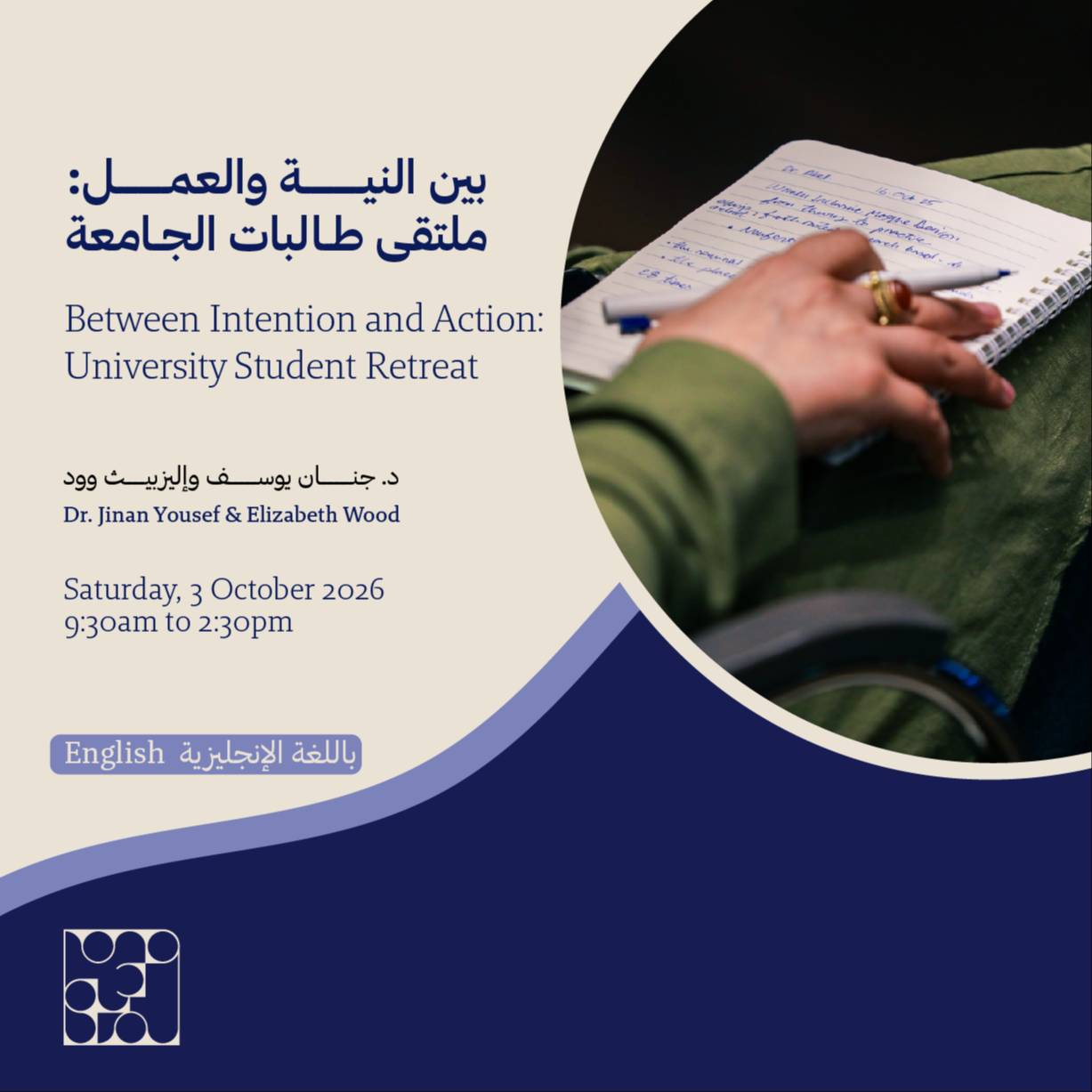
Between Intention and Action: University Student Retreat
- Developmental Programs
- En
 Paid
Paid
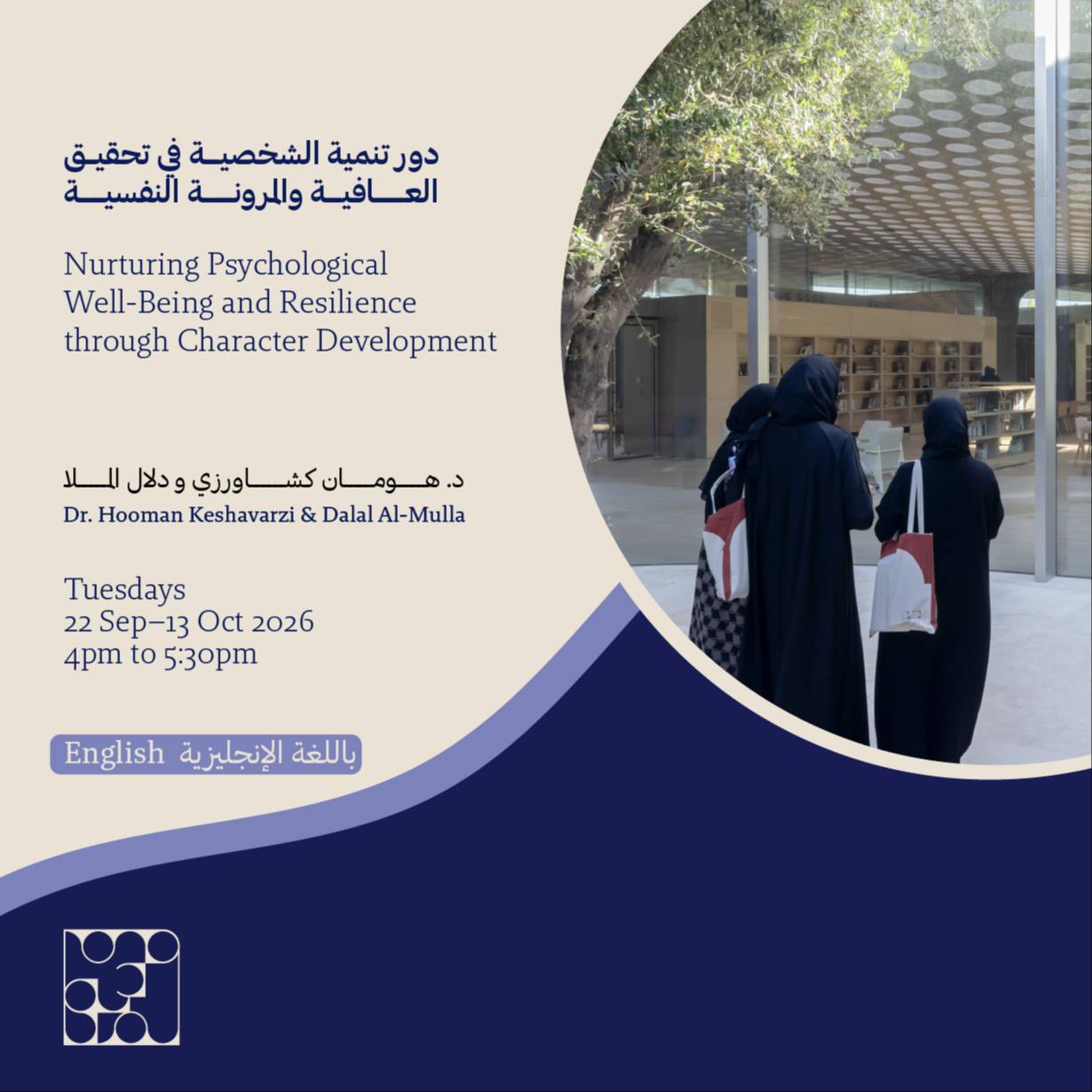
Nurturing Psychological Well-Being and Resilience through Character Development
- Developmental Programs
- En
 Paid
Paid
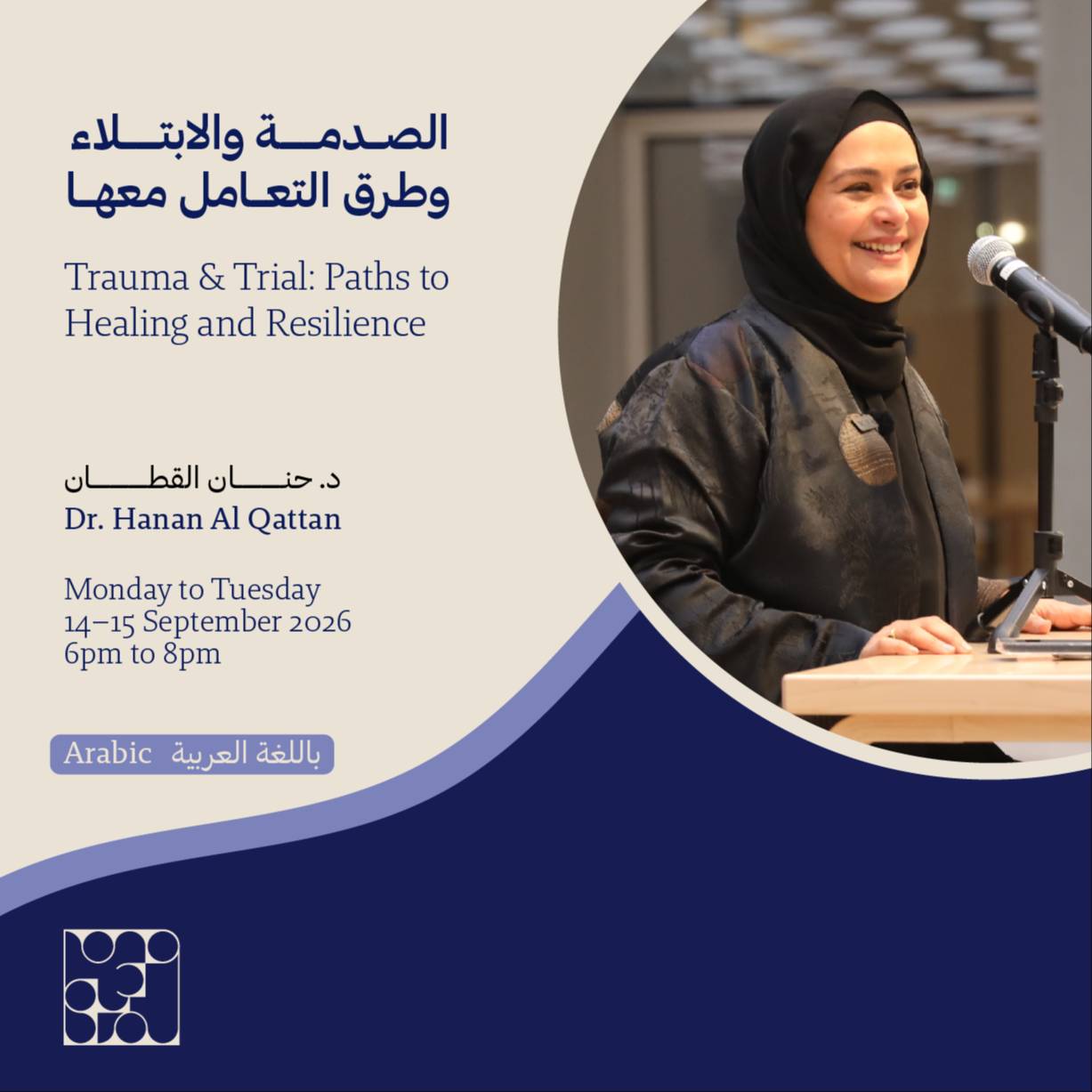
Trauma & Trial: Paths to Healing and Resilience
- Developmental Programs
- Ar
 Free
Free
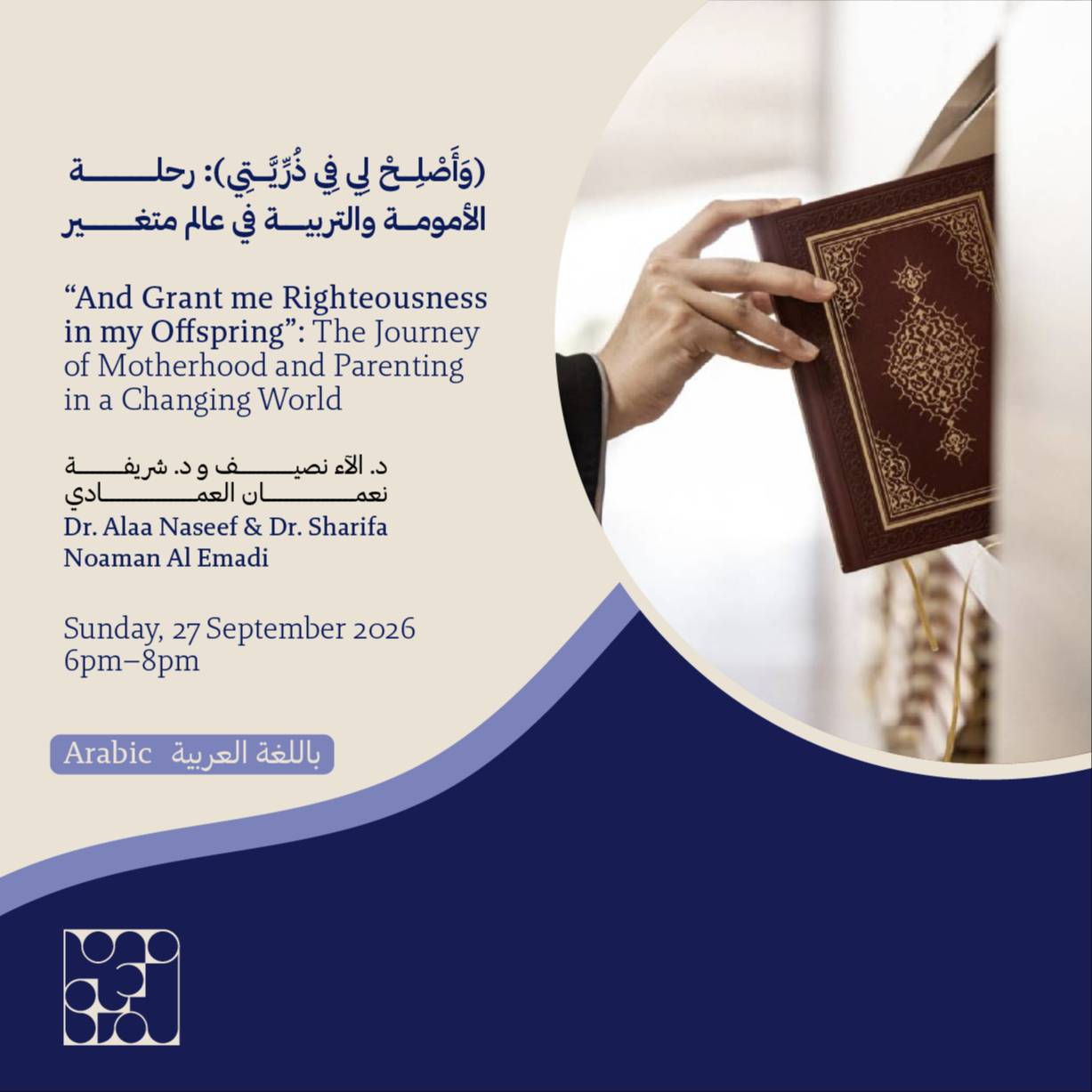
“And Grant me Righteousness in my Offspring”: The Journey of Motherhood and Parenting in a Changing World
- Developmental Programs
- Ar
 Free
Free
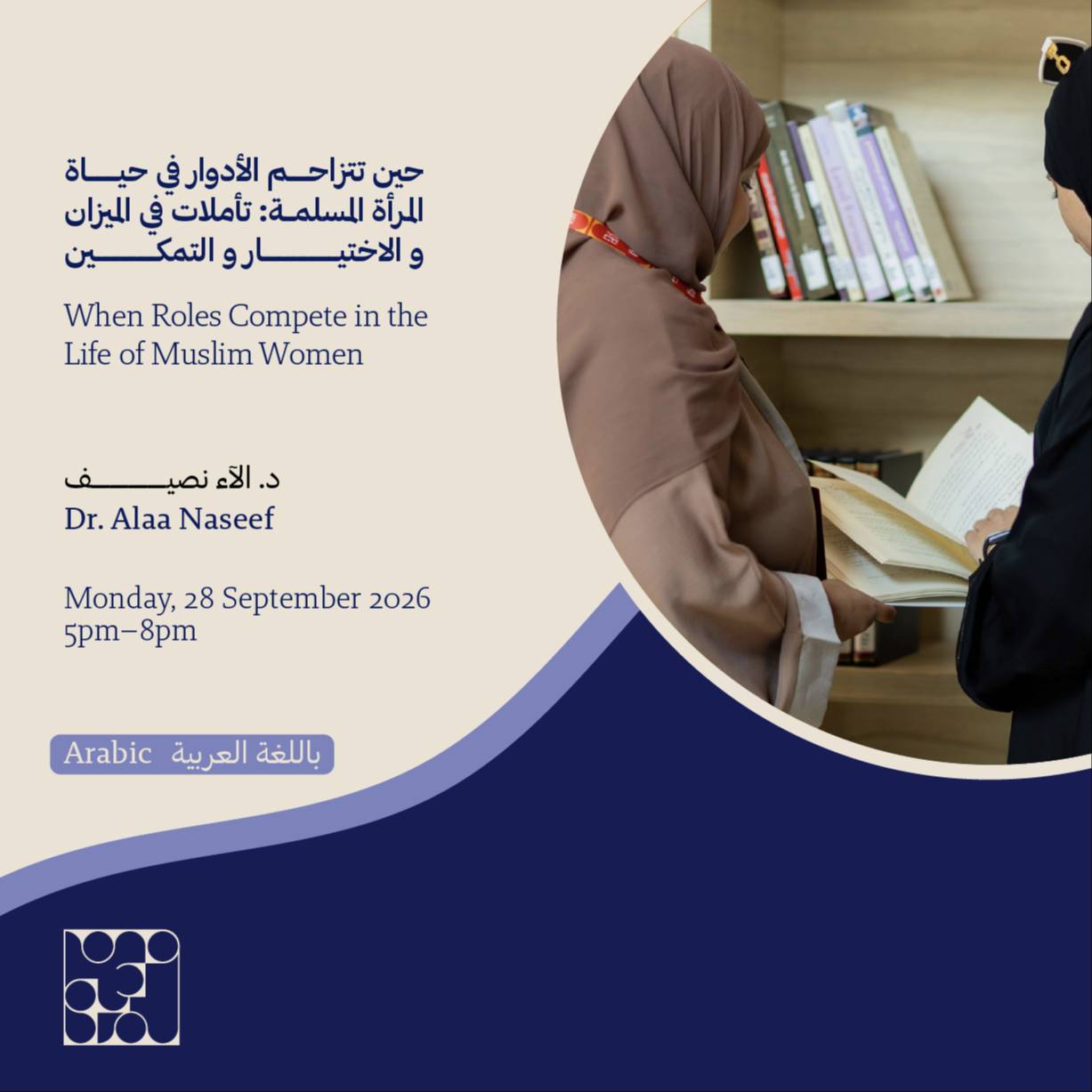
When Roles Compete in the Life of Muslim Women
- Developmental Programs
- Ar