Programs & Events
Nurturing Psychological Well-Being and Resilience through Character Development
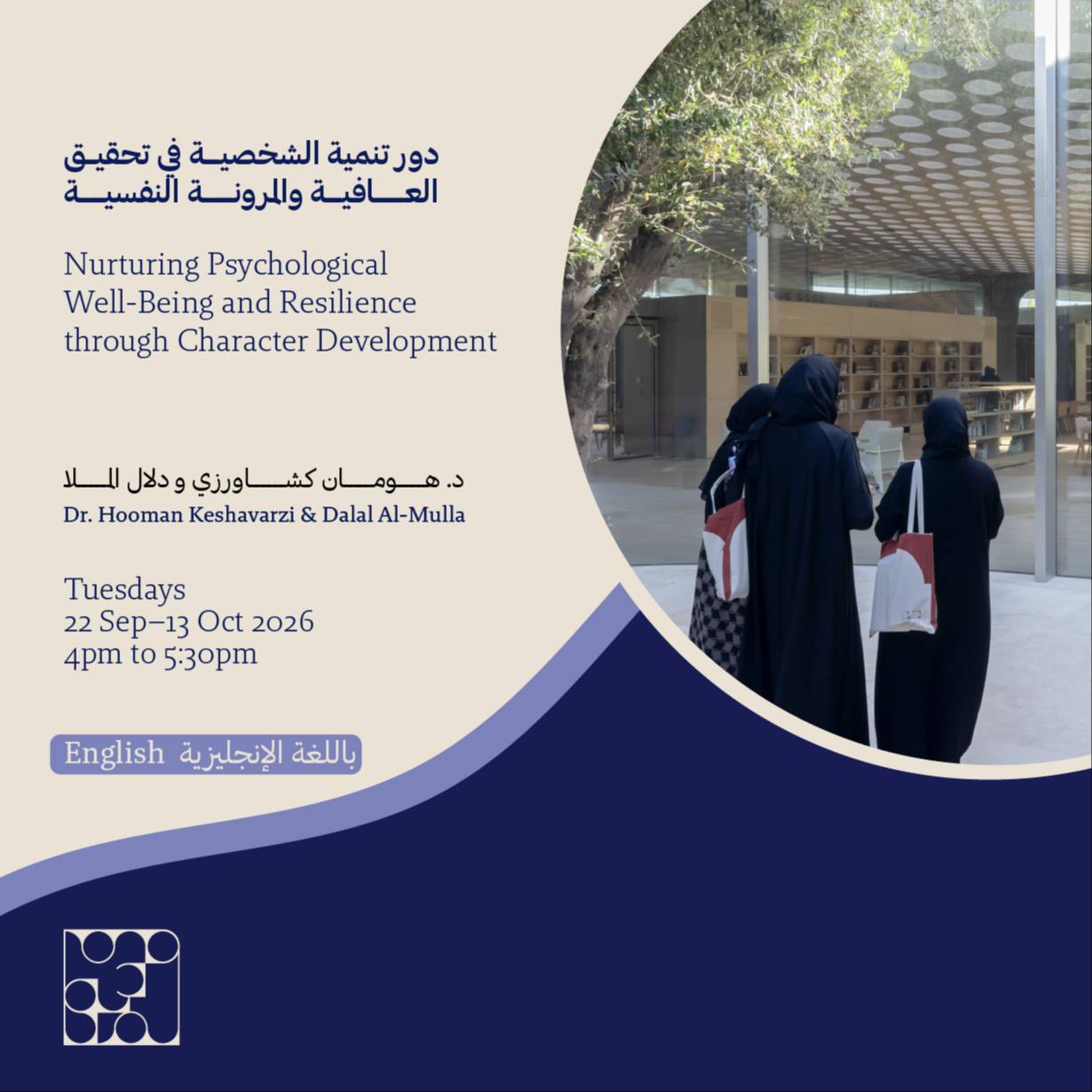
This four-session program offers an integrated Islamic framework for cultivating character as a path to psychological well-being and resilience. Drawing on classical Islamic schola..
- Developmental Programs
- Accessibility
- En
- Register
About this Program
This four-session program offers an integrated Islamic framework for cultivating character as a path to psychological well-being and resilience. Drawing on classical Islamic scholarship alongside contemporary research in psychology, the program introduces the Traditional Islamic Virtues (TIV), a structured map of over thirty virtues organized under five cardinal categories: Wisdom, Valor, Temperance, Justice, and Spirituality. Participants are guided through a four-stage developmental model: self-awareness (inkishāf), learning, habituation, and self-evaluation (muḥāsaba).
By the end of the series, each participant will have identified a target virtue, mapped its personal terrain, and built a concrete eight-step regimen anchored in scripture and behavioral practice for cultivating identified virtues beyond the workshop series.
If you find it difficult to cover the fees and require financial assistance, please apply for a fee waiver at this link:
Al-Mujadilah Fee Waiver Request Form | Fall Cycle 1 | طلب إعفاء الرسوم – Fill in form
- To present an integrated Islamic framework for understanding character and its connection to psychological well-being and resilience.
- To familiarize participants with the Traditional Islamic Virtues (TIV) and the five cardinal categories of virtue and their accompanying sub virtues in the Islamic tradition.
- To equip participants with a four-stage developmental model for cultivating virtue: self-awareness, learning, habituation, and self-evaluation.
- To support participants in identifying a personally relevant target virtue and constructing a concrete, scripturally-anchored regimen for cultivating it.
Week 1 — Foundations: Character as the Path to Well-Being. Establishes the Qur’ānic and prophetic basis for character development alongside contemporary research linking character strengths to well-being. Introduces the classical doctrine of the golden mean virtue as the moderate balance between deficiency (tafrīt) and excess (ifrāt).
Week 2 — Mapping the Virtues. Introduces the Traditional Inventory of Islamic Virtues (TIIV) and its five cardinal categories. Each category is explored with its constituent virtues, scholarly definitions, and spectrum of deficient and excessive expressions.
Week 3 — Preparing for Practice: Self-Awareness and Discernment. Self-awareness through temperament (mizāj) and critical life experiences is paired with learning to discern genuine virtue from its misapplications and to internalize the power of exemplars. Activity: participants identify a target virtue for the next session.
Week 4 — Virtues in Action: Habituation and Sustained Change. The full eight-step regimen mushāraṭa, identification of barriers, gradual practice, self-talk, muʿāqaba, musāḥaba, powerful emotional experiences, and muḥāsaba are explored through practical examples. Participants leave with a concrete, written plan for cultivating their target virtue.
By the end of the program, participants will be able to:
- Articulate the scriptural and scholarly basis for character development as a path to well-being and resilience in the Islamic tradition.
- Identify and define the five cardinal categories of virtue and locate at least one target virtue relevant to their own life.
- Distinguish a virtue from its deficient and excessive expressions and recognize common misapplications (e.g., of ṣadaqa, hayāʾ, ṣilat al-raḥm, tawakkul).
- Construct a written eight-step behavioral plan for cultivating a chosen virtue, integrating self-talk, barrier identification, gradual practice, social environment, and self-evaluation.
Meet our Instructor
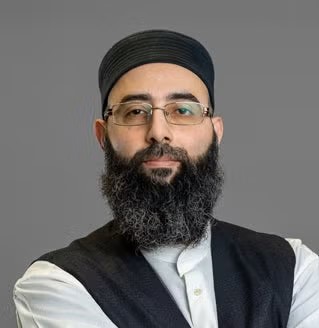
Dr. Hooman Keshavarzi
Dr. Keshavarzi is the founding director of the Khalil Center, the first Islamically-oriented professional community mental wellness center and the largest provider of Muslim mental healthcare in North America. He is also a senior fellow at the International Association for Islamic Psychology (IAIP), conducting research on topics related to Islam, Muslims, and mental health. Dr. Keshavarzi is an international public speaker and trainer providing education on the intersection of Islamic studies and behavioral health.
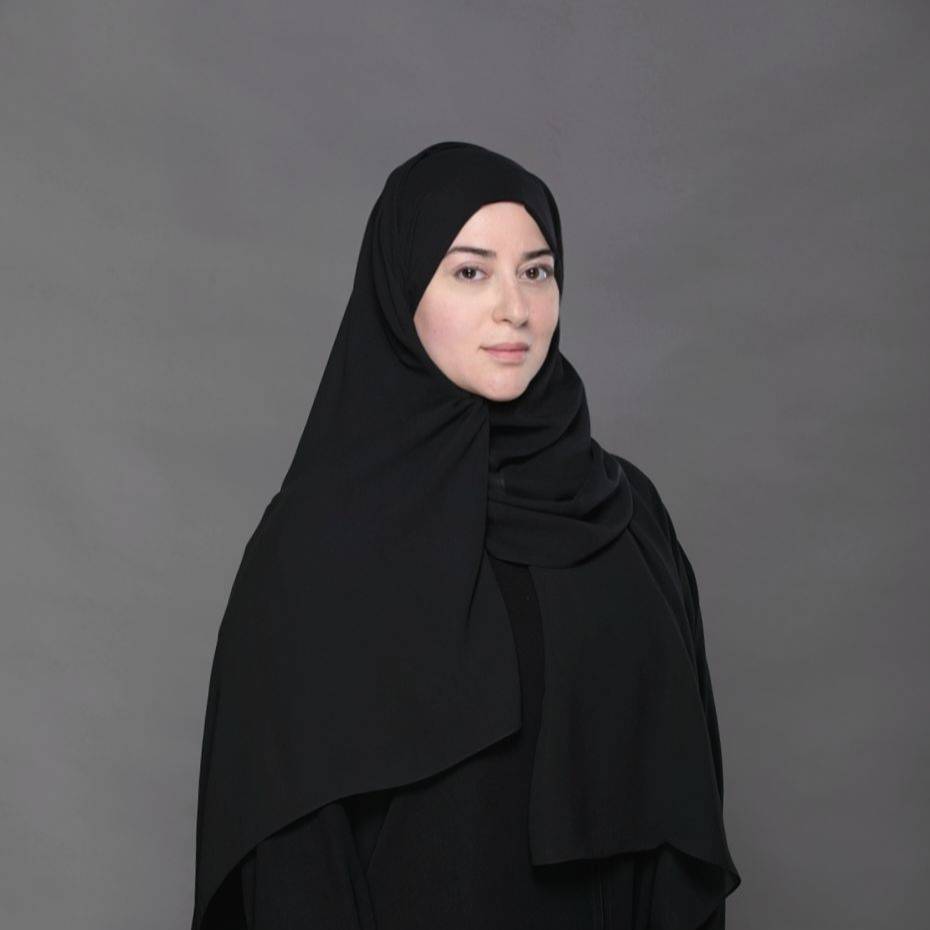
Dalal Al-Mulla
Dalal holds a Master’s degree in Clinical Social Work from the Doha Institute for Graduate Studies and is currently pursuing a Master of Arts in Clinical and Counseling Psychology at Hamad Bin Khalifa University. Her professional training includes the DSM-5, Rational Emotive Behavior Therapy (REBT), and Cognitive Behavioral Therapy (CBT).
Among her numerous collaborations with institutions and organizations in Qatar and abroad, Dalal developed and delivered the first dedicated program for girls at Al-Mujadilah. The program has been running every Ramadan since 2024, focusing on the Spiritual, psychological, tarbawi, developmental, and values-based needs of girls in Qatar.
Her professional and research interests center on psychological and social approaches grounded in local and Arab culture and informed by an Islamic perspective, with the aim of promoting psychological and spiritual well-being and supporting a good and flourishing life (al-hayat al-tayyibah).
Dalal is the founder of the Children’s Majlis Initiative, established during the COVID-19 pandemic, and the Sahibaat Al-Qur’an (Companions of the Qur’an) learning community. She is also a co-founder of Ikhwa wa Sanad, a volunteer initiative dedicated to supporting the beloved guests from Gaza in Qatar.
Recommended For You
 Free
Free
Readings in Islamic Civility (Online)
- Religious Programs
- Ar
 Paid
Paid
Surah Al-Hujurat: From Recitation to Tazkiyah
- Religious Programs
- Ar
 Paid
Paid
The Qur’an and Its Excellence: Hifth for Arabic Speakers
- Religious Programs
- Ar
 Paid
Paid
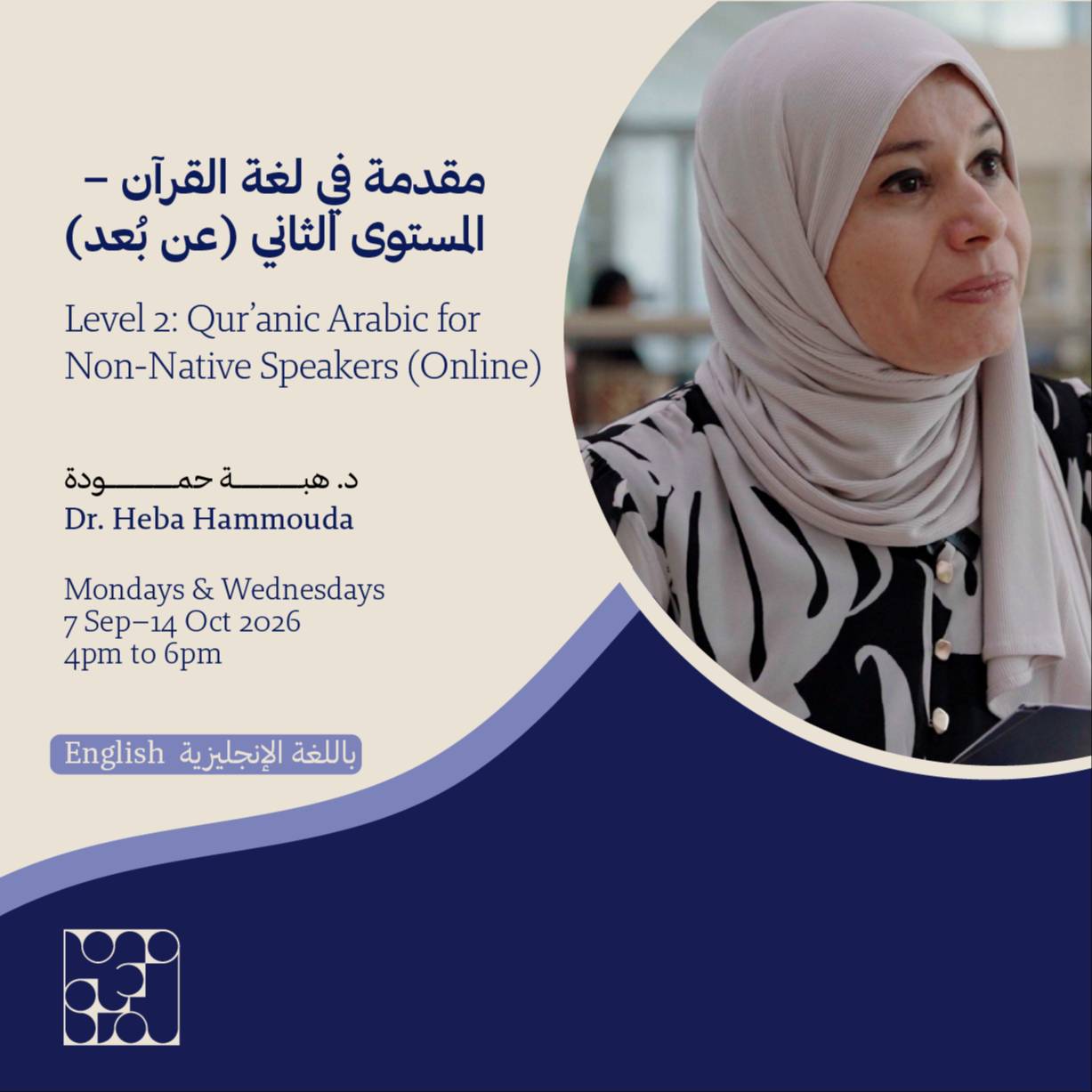
Level 2: Qur’anic Arabic for Non-Native Speakers (Online)
- Religious Programs
- En
 Paid
Paid
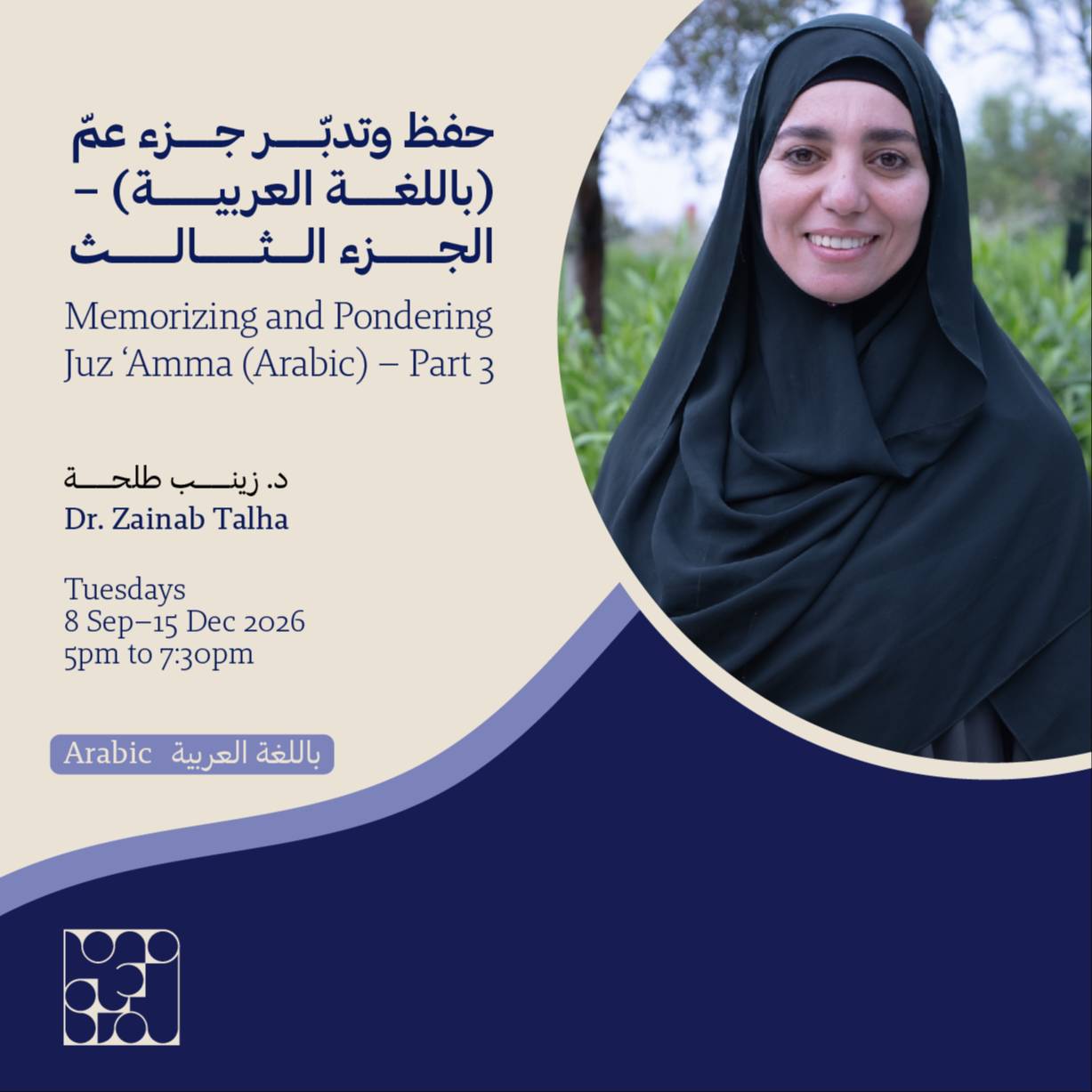
Memorizing and Pondering Juz ‘Amma (Arabic) – Part 3
- Religious Programs
- Ar
 Paid
Paid
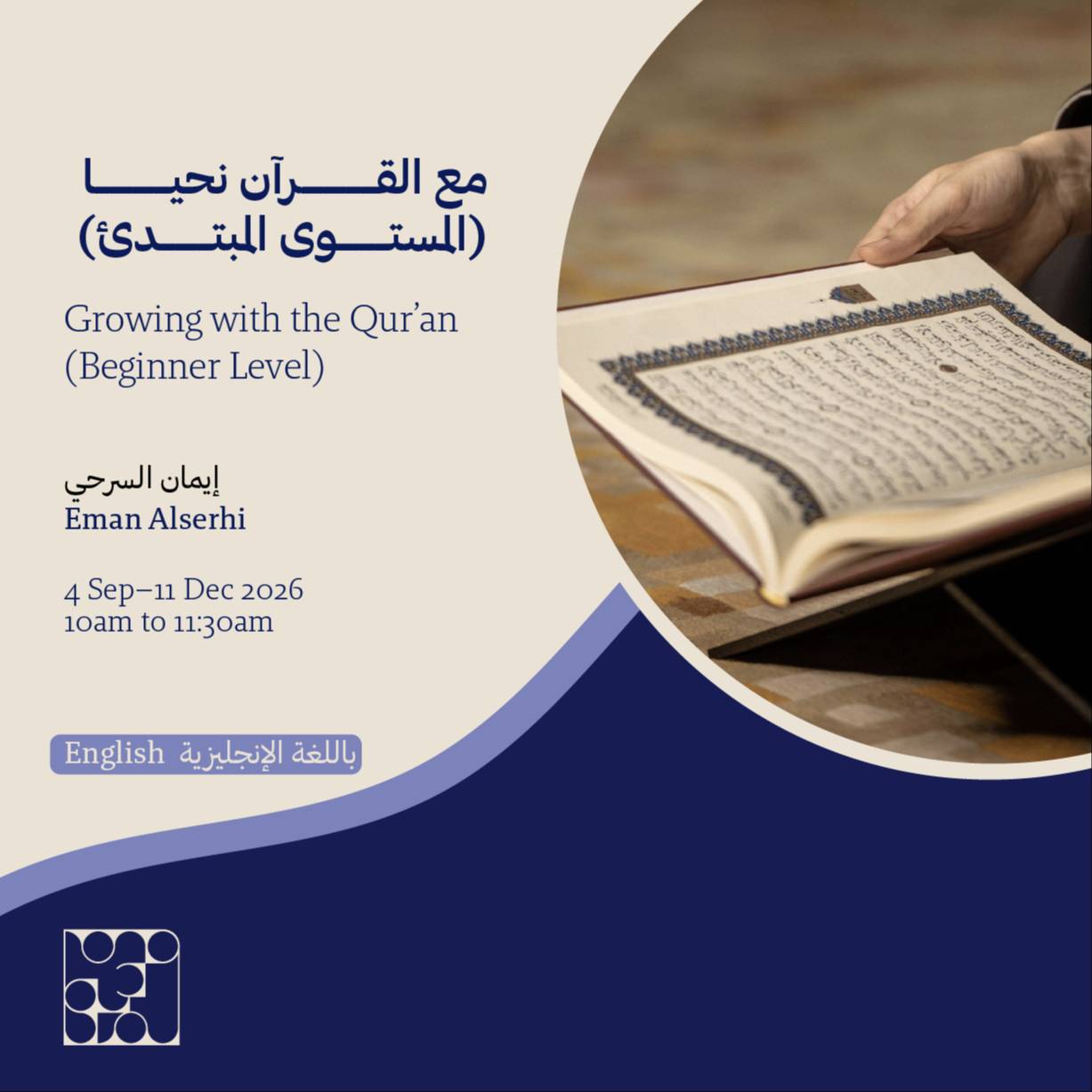
Growing with the Qur’an (Beginner Level)
- Religious Programs
- En
 Paid
Paid
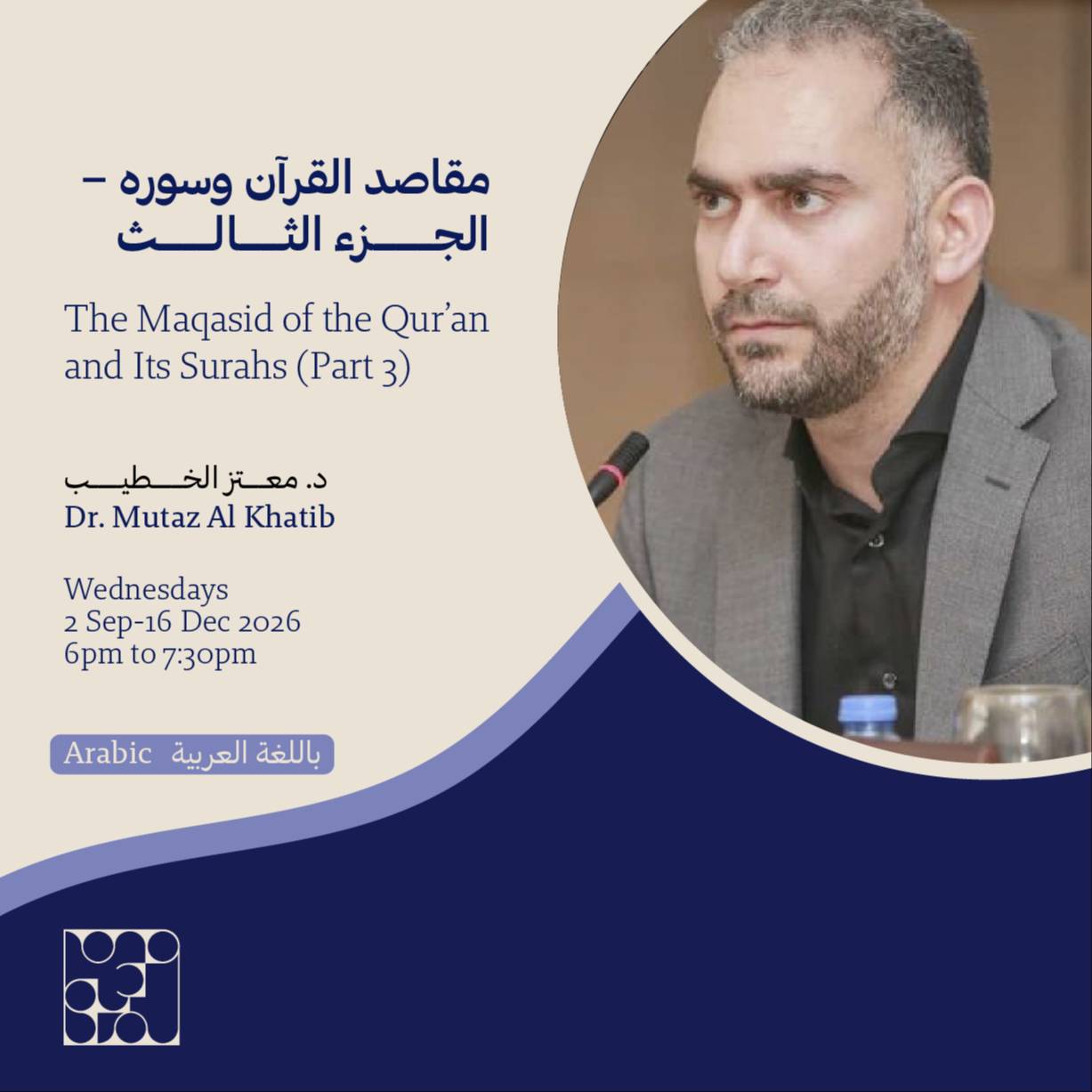
The Maqasid of the Qur’an and Its Surahs (Part 3)
- Religious Programs
- Ar
 Paid
Paid
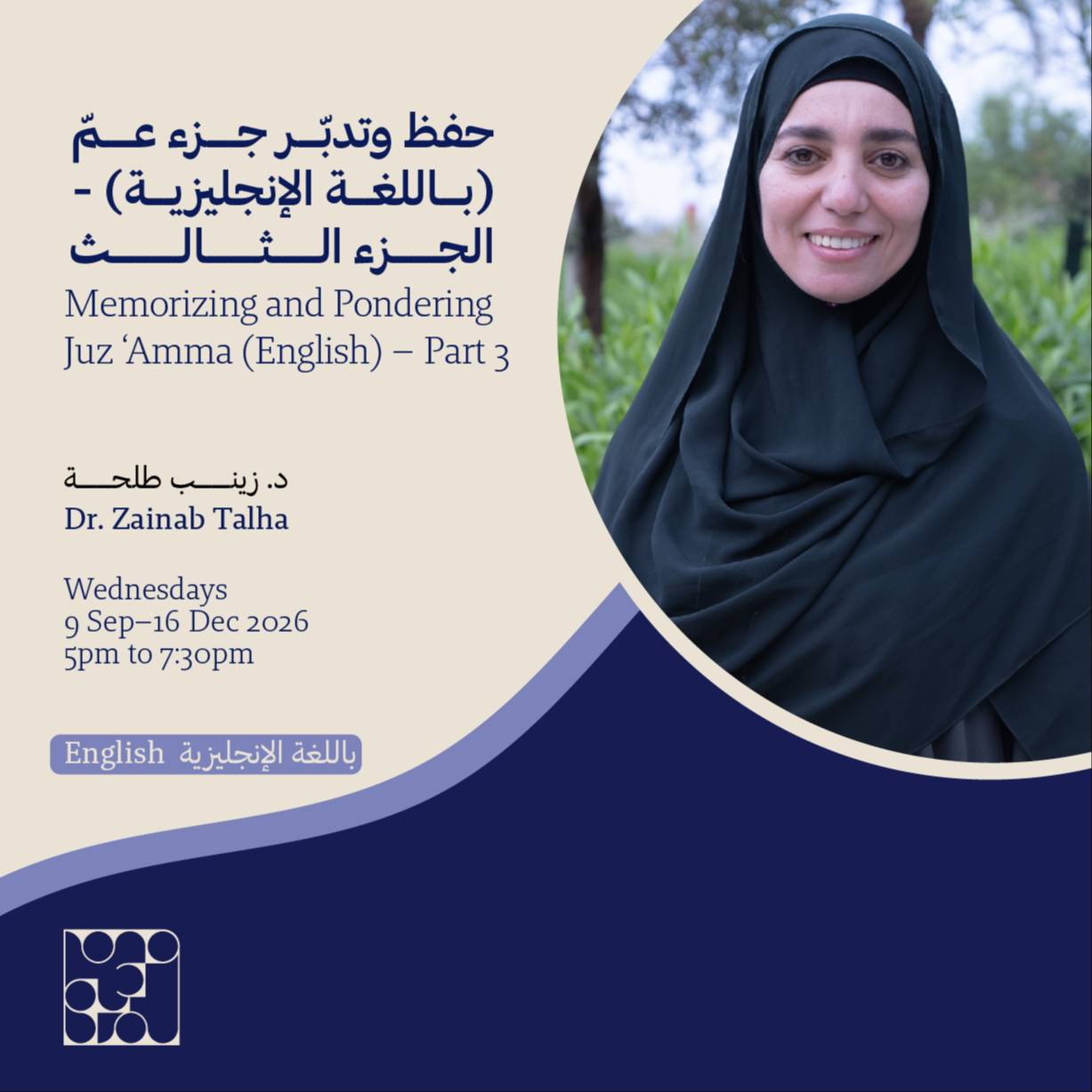
(English) Memorizing and Pondering Juz 'Amma (Part 3)
- Religious Programs
- En
 Paid
Paid
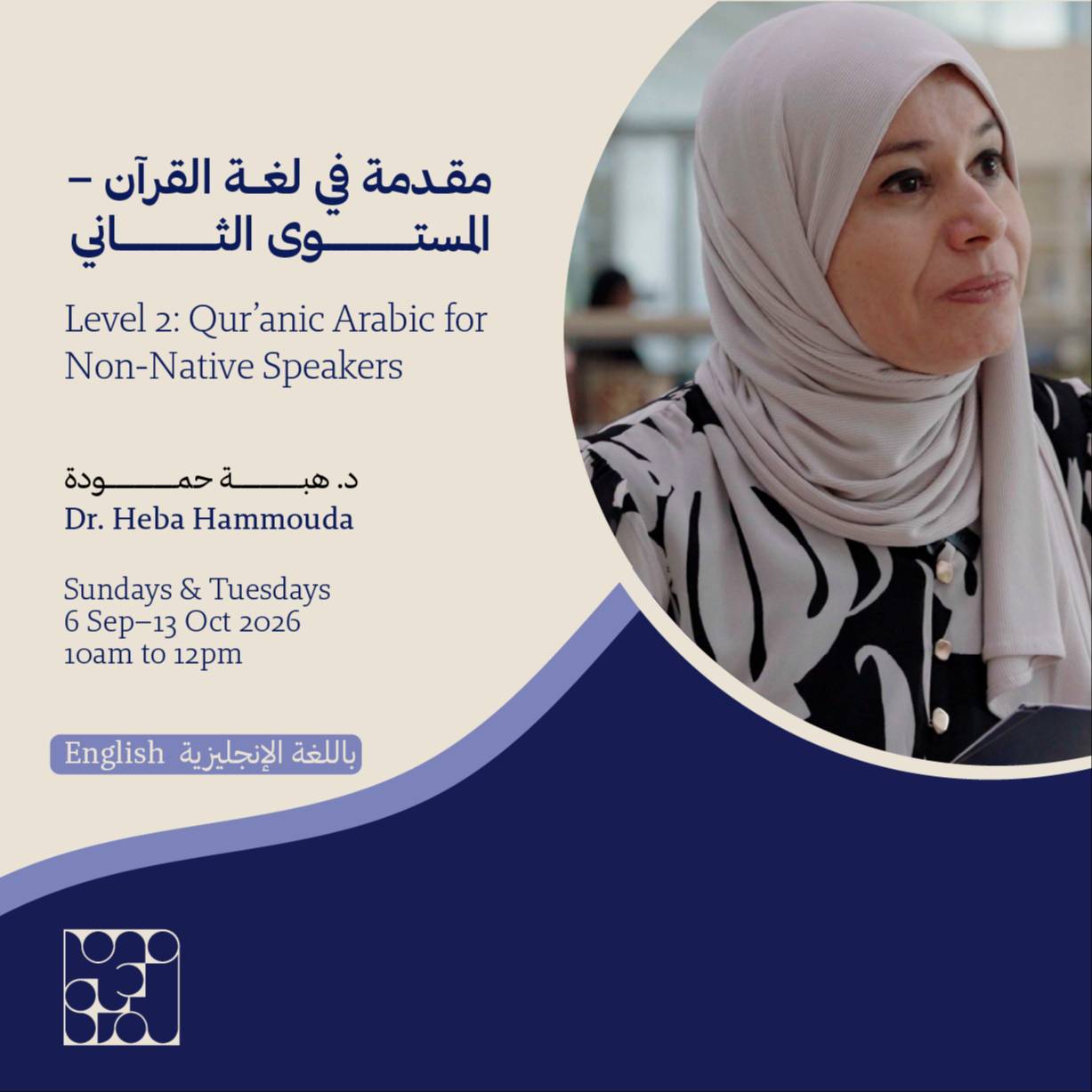
Level 2: Qur’anic Arabic for Non-Native Speakers
- Religious Programs
- En
 Paid
Paid
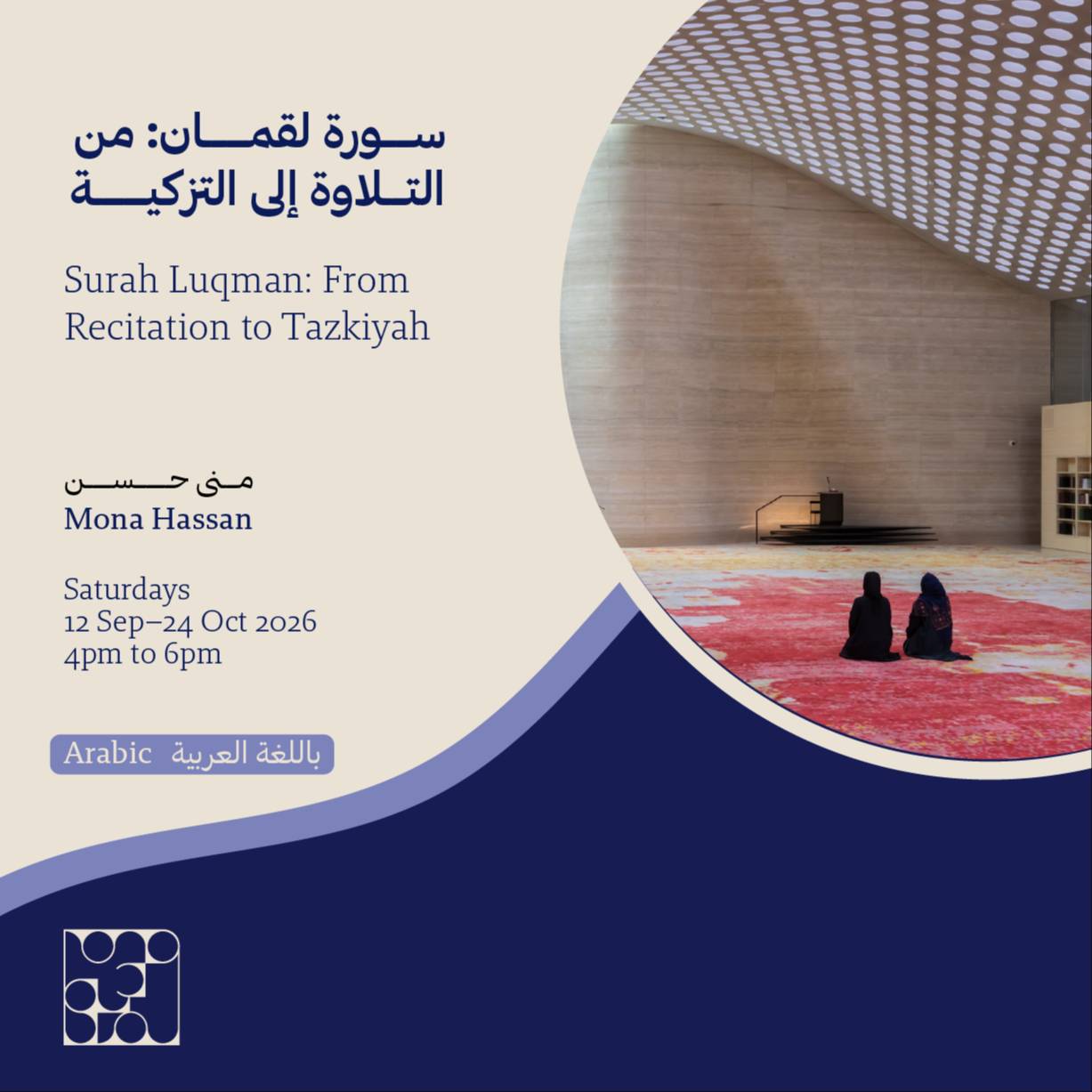
Surah Luqman: From Recitation to Tazkiyah
- Religious Programs
- Ar
 Free
Free
Contemporary Reading of Masalih al Abdan wa al Anfus by al Balkhī (Part I – Online)
- Religious Programs
- Ar