Programs & Events
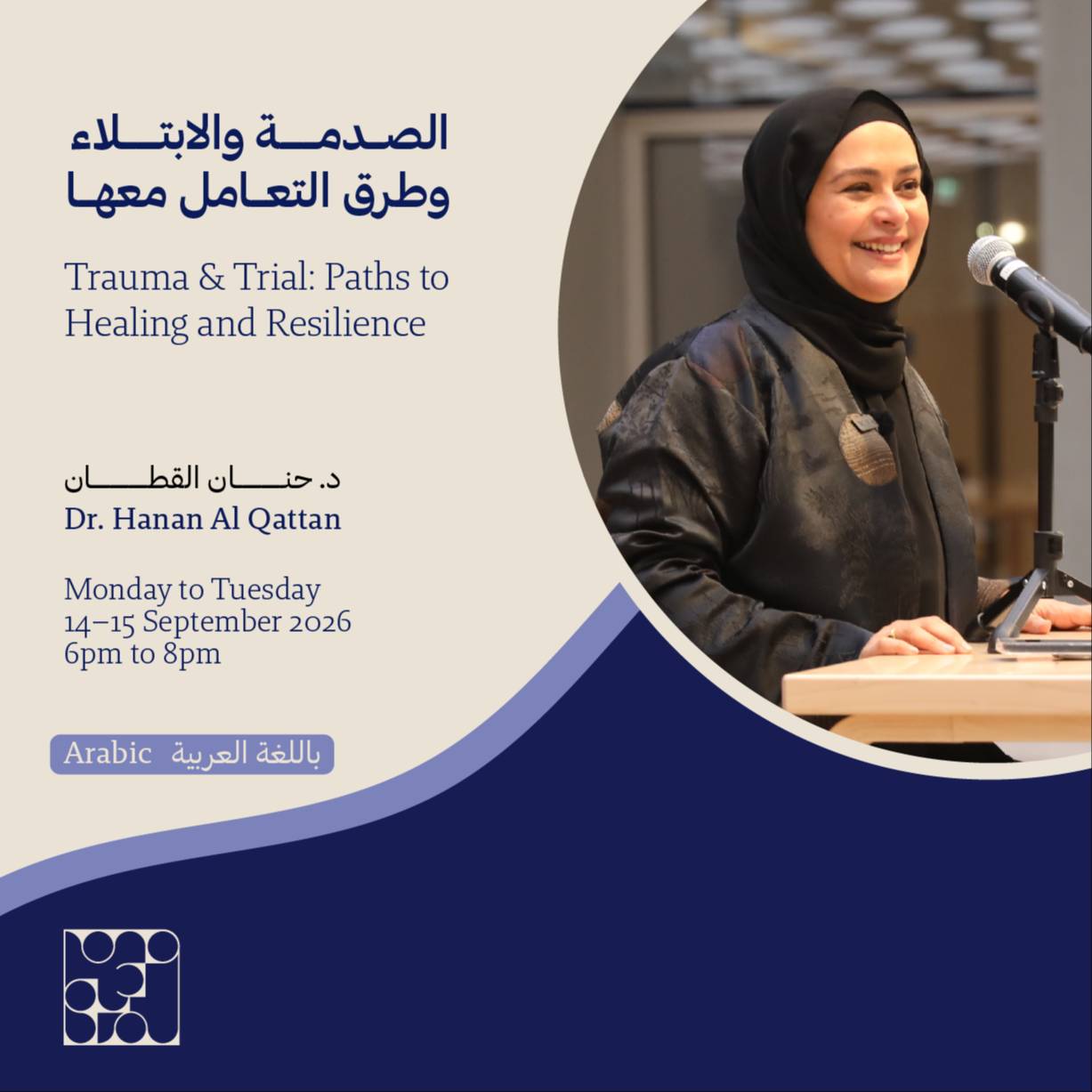
Trauma & Trial: Paths to Healing and Resilience
Join us for this intensive program, which brings together an understanding of trials (balāʾ) and trauma, their psychological impact, and practical skills that support recovery and ..
- Developmental Programs
- Accessibility
- Ar
- Register
About this Program
Join us for this intensive program, which brings together an understanding of trials (balāʾ) and trauma, their psychological impact, and practical skills that support recovery and restore balance.
The first day explores trials and trauma through the lens of Islamic wisdom. Participants will examine the nature of psychological trauma, the emotional responses that accompany it, and how their interpretations of events shape their feelings.
The second day focuses on recovery and resilience. Participants will learn emotional containment and psychological support techniques, emotion-regulation skills, ways to restore a sense of safety, and how to draw upon Islamic spiritual resources for healing.
The program concludes with a personalized action plan designed to help participants move from pain toward hope and build a more balanced and resilient life after difficult experiences.
- The Wisdom of Trials in Human Life: Understanding the purposes of hardship; the distinctions among trials, punishment, and tests in the Qur’an and Sunnah; and lessons from the Prophets and righteous believers on facing adversity.
- Understanding Psychological Trauma: Exploring trauma from a psychological perspective, how it differs from natural grief, and how it affects the mind, heart, and body. Participants will examine its key psychological, behavioral, and spiritual symptoms.
- Psychological Responses to Trauma: Understanding the emotions and reactions that may emerge after trauma, including denial, anger, guilt, fear, anxiety, and loss of meaning—and why people respond differently to hardship.
- Understanding the Soul in Times of Trial: Exploring how thoughts and interpretations shape emotions and how finding meaning can support healing. Participants will examine patience (ṣabr), contentment (riḍā), and surrender to Allah (taslīm) while distinguishing trust in divine wisdom from passive resignation.
- Psychological First Aid for Those Experiencing Hardship: Identifying the basic psychological needs of people immediately following a distressing experience, recognizing common mistakes when offering comfort, and developing skills for providing genuine emotional support and containment.
- Skills for Psychological Recovery from Trauma: Learning practical techniques to regulate emotions, process painful memories, manage anxiety and fear, restore a sense of safety, and strengthen psychological resilience during times of crisis.
- Faith-Based Recovery: Exploring the role of Qur’anic reflection, supplication (duʿāʾ), remembrance of Allah (dhikr), and prayer in easing pain. Participants will consider how trust in Allah’s wisdom nurtures steadfastness during hardship and helps restore meaning and hope after a trial.
- Growth After Trauma: Exploring how hardship can become an opportunity for growth through inspiring examples from the Qur’an and the Prophetic tradition, recognizing the lessons within a trial, and building a renewed life after pain.
- From Pain to Hope: The program concludes with a personalized 30-day recovery plan that outlines practical steps for healing, applying what participants have learned, and moving forward with mindful hope.
Meet our Instructor
(1).png)
Dr. Hanan Al-Qattan
Dr. Hanan Al-Qattan is the founder and director of the Itizan Centre for Psychological and Educational Counseling and Training. She holds a Doctorate in Shari’a with Honors, specializing in psychiatric disorders and their impact on Shari’a provisions, along with a Higher Diploma in Psychological Education.
Dr. Hanan is also a certified international trainer in personality development, psychological counselling, and family stability, with expertise in REBT, CBT, and DBT. She is also the founder of the Inner Peace Volunteer Team for Psychological Support and the Psychological Self-Jurisprudence Project, which integrates psychological guidance with the Qur’an and Sunnah. Dr. Hanan is an author who has written therapeutic stories for children, including Duhaa, The Moon, and an interactive book for girls, Hope and Peace, Leader of Orphans.
Recommended For You
 Paid
Paid
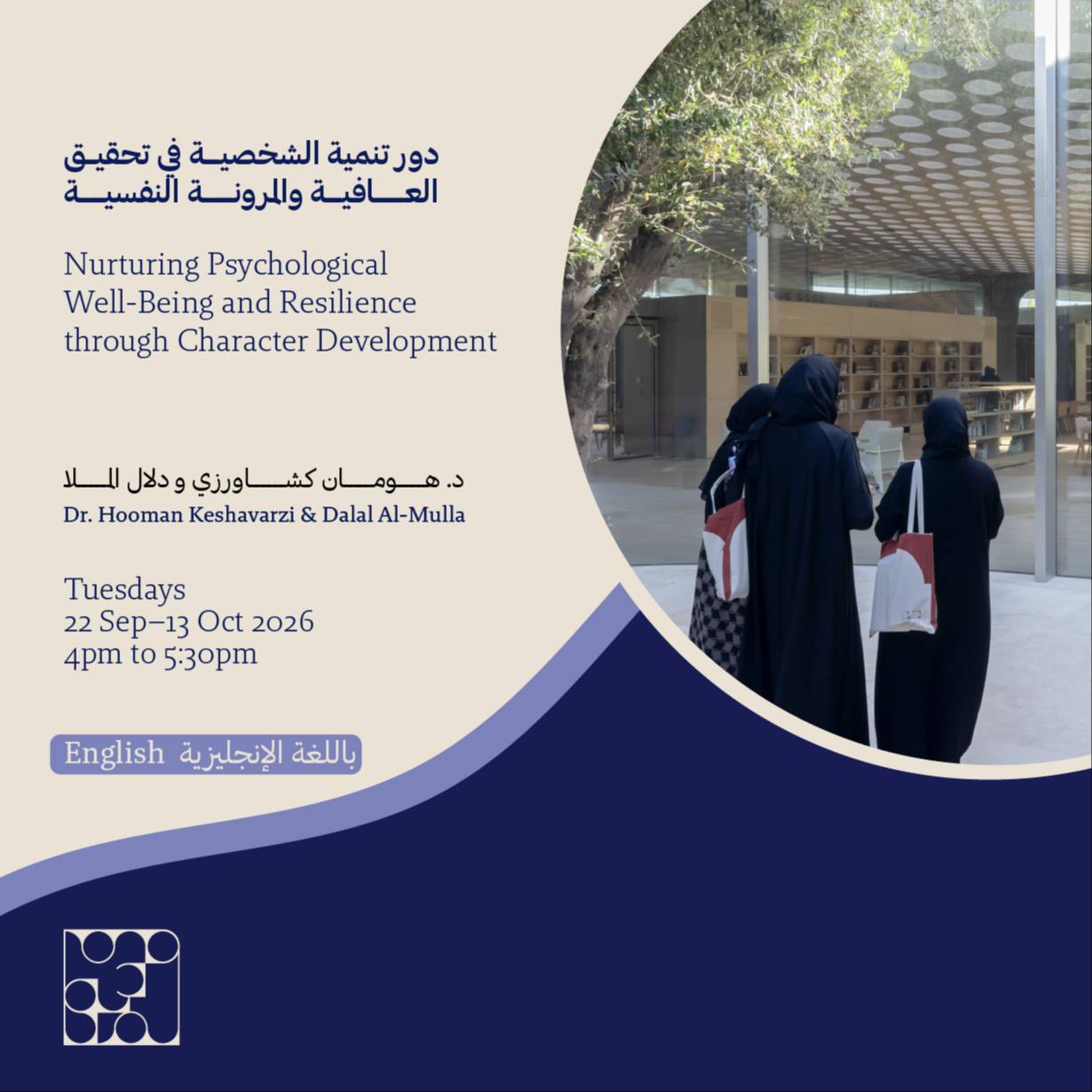
Nurturing Psychological Well-Being and Resilience through Character Development
- Developmental Programs
- En