Programs & Events
Cultivating a Reflective Mindset

This six-part program aims to support a generation of Muslim women capable of engaging with the Qur’anic text through a sound scholarly methodology, while developing their abilitie..
- Religious Programs
- Ar
- Register
About this Program
This six-part program aims to support a generation of Muslim women capable of engaging with the Qur’anic text through a sound scholarly methodology, while developing their abilities in Tadabbur (reflection) guided by established exegetical and legal principles. The program is structured with progression from theoretical foundations to practical application, with a strong emphasis on cultivating thoughtful reflection that reflects the realities of contemporary Muslim women.
If you find it difficult to cover the fees and require financial assistance, please apply for a fee waiver at this link: https://forms.cloud.microsoft/r/SgK4L85X41
General Objectives
- Establish a comprehensive understanding of the science of Usul Al-Tafsir (Qur’anic exegesis) and its methodological principles.
- Build awareness of the diversity of exegetical approaches throughout Islamic history.
- Equip participants with practical skills for systematic reflection on Qur’anic texts.
- Strengthen confidence in engaging with exegetical heritage through constructive critical engagement.
Learning Objectives
- Identify the fundamental principles of Qur’anic interpretation.
- Distinguish between different exegetical methodologies and their key characteristics.
- Apply structured Tadabbur techniques to selected Qur’anic passages.
- Develop the ability to produce reflective insights that are methodologically sound and academically grounded.
Week 1: Introduction to the Science of Qur’anic Exegesis
- Definition and importance of Usul Al-Tafsir (Qur’anic exegesis)
- Historical emergence and development of the discipline
- The five fundamental principles of Tafsir
- Inner etiquettes of the interpreter
- Scholarly prerequisites for Tafsir
- Methodological guidelines in interpretation
- Exegesis by transmission
- Exegesis by reasoned opinion
- Thematic exegesis
- The reformist movement in Tafsir
- Applying Qur’anic meanings to contemporary realities
- Case studies from modern Tafsir works
- Steps of structured reflection
- Practical tools for Tadabbur
- Applied exercise on Surah Al-Duha
- Presentation of participants’ projects
- Methodology of collective Tadabbur
- Applying reflection to daily life practices
Meet our Instructor

Mohammed Jassim Al- Jassim
His research and writings focus on the impact of the Qur’an on the life of the individual and society. Among his notable works are Steadfastness in a Fragile World: Islamic Answers to Philosophical Questions, Al-Muthīr limā lahu Athar fī al-Tafsīr min Shawādh al-Qirāʾāt, ‘Upon Seven Aḥruf’: An Accessible Presentation of the Emergence of Qur’anic Readings, Qur’anic Proofs, and Prostrate to Adam: A Reading in the Human Succession Project.
His approach reflects a vision that combines authenticity with simplicity, connecting Qur’anic meanings to the lived reality of Muslims today.
Recommended For You
 Paid
Paid
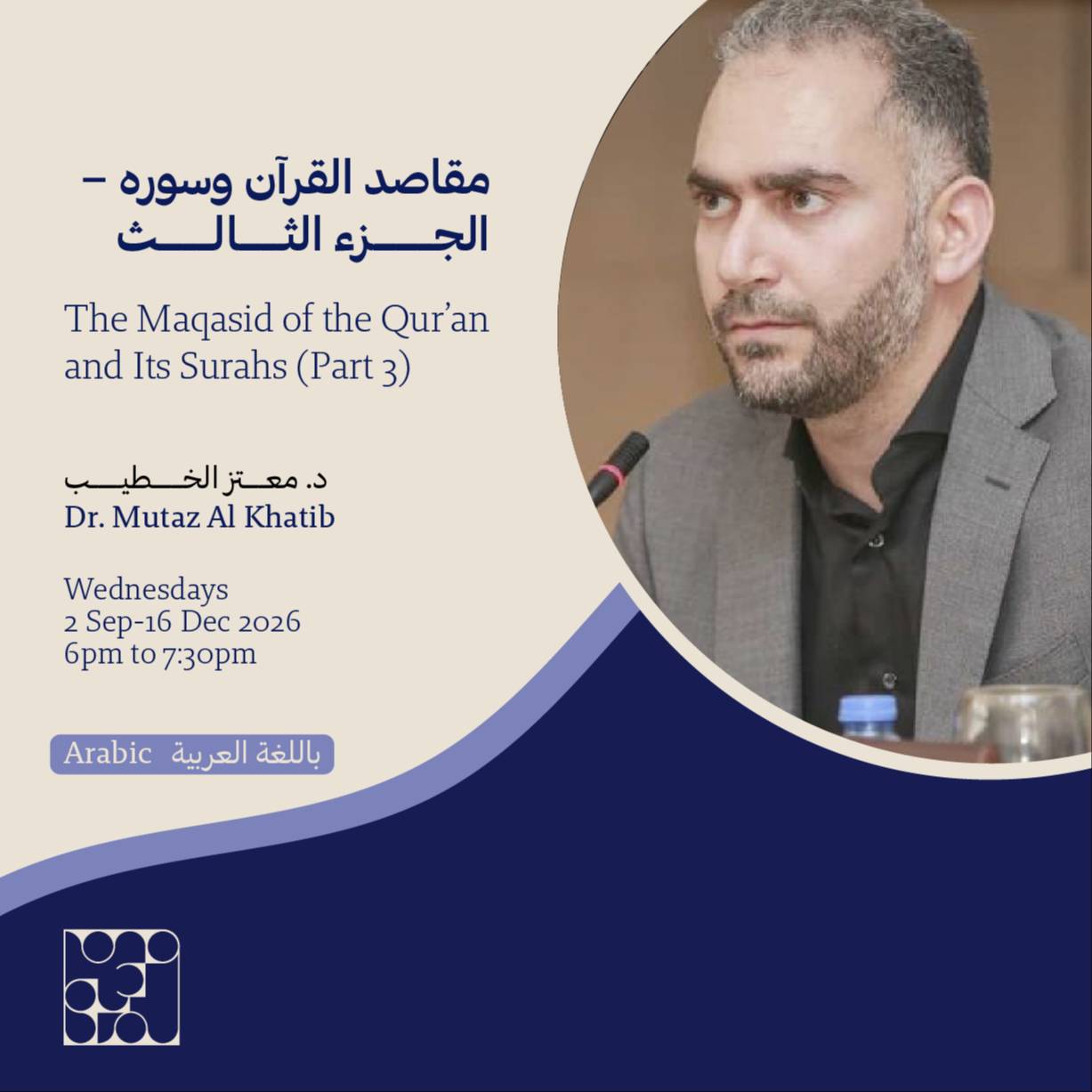
The Maqasid of the Qur’an and Its Surahs (Part 3)
- Religious Programs
- Ar
 Paid
Paid
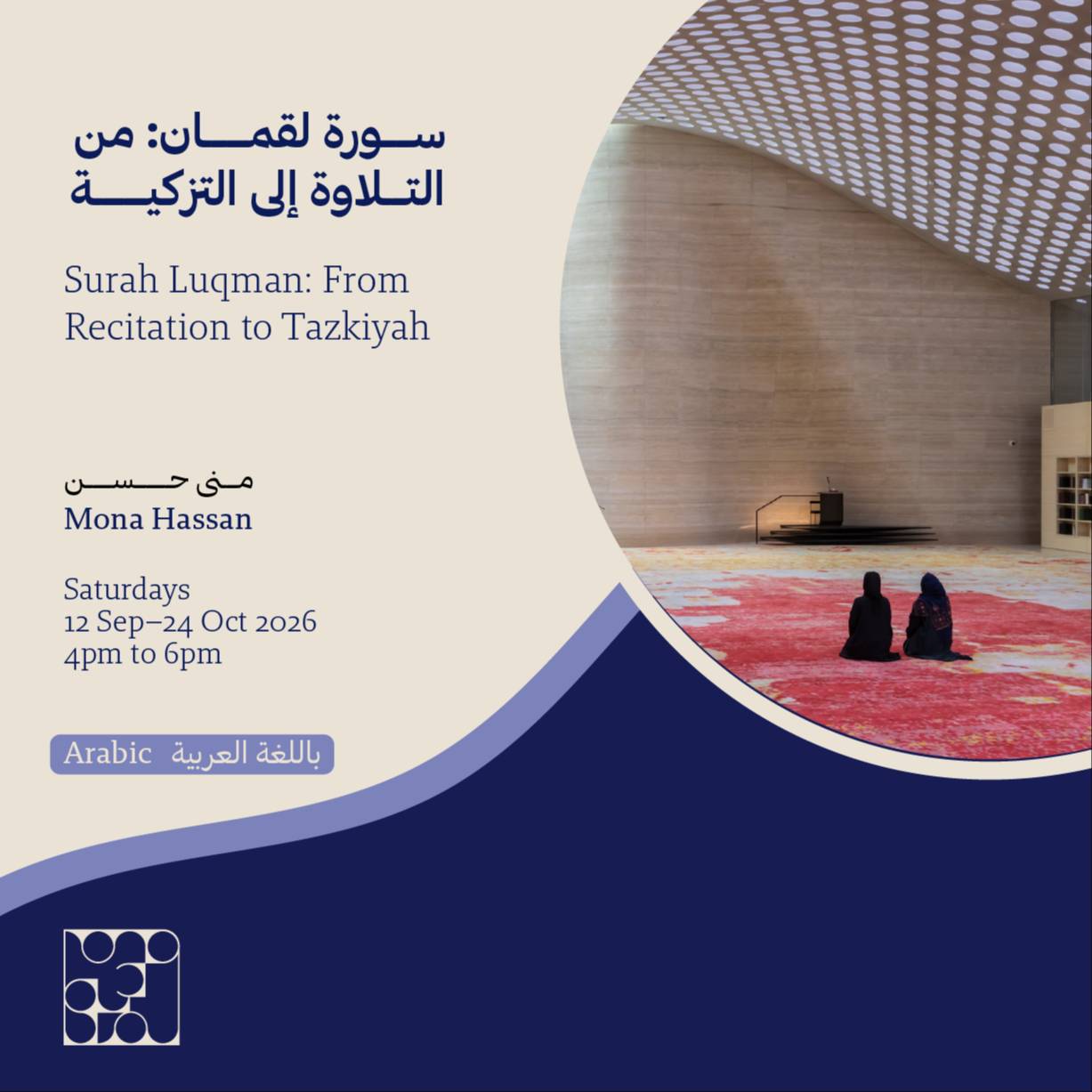
Surah Luqman: From Recitation to Tazkiyah
- Religious Programs
- Ar
 Paid
Paid
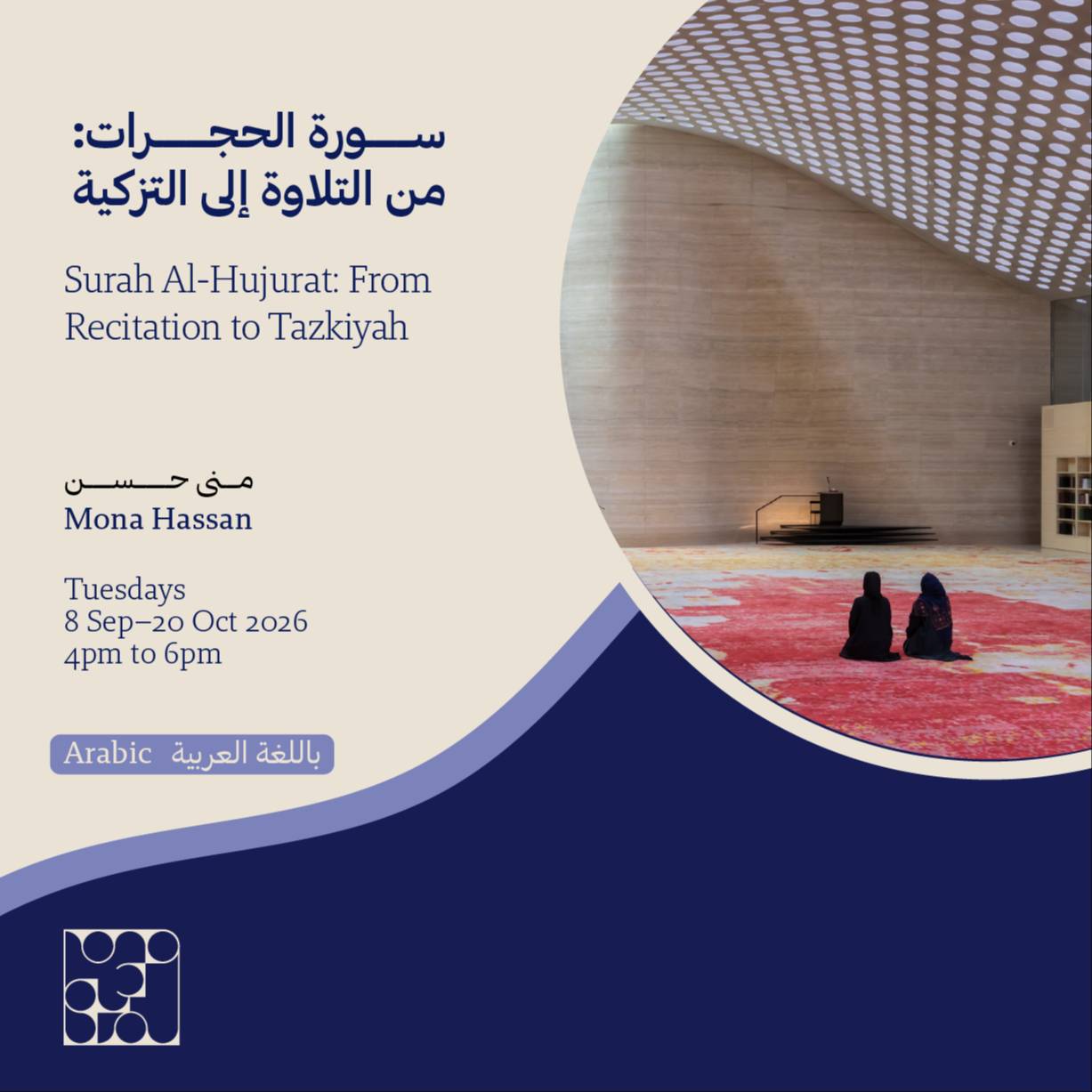
Surah Al-Hujurat: From Recitation to Tazkiyah
- Religious Programs
- Ar
 Paid
Paid
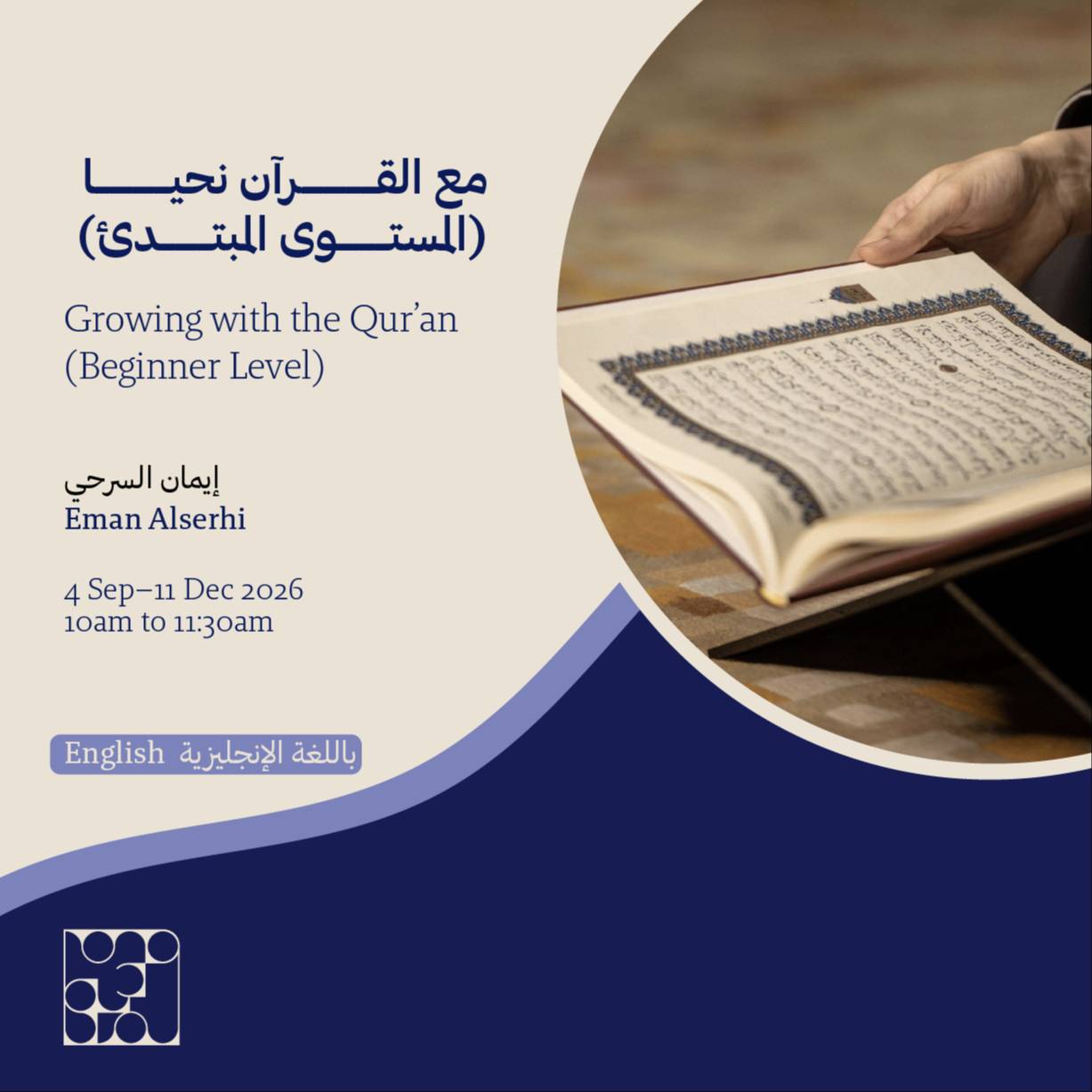
Growing with the Qur’an (Beginner Level)
- Religious Programs
- En
 Paid
Paid
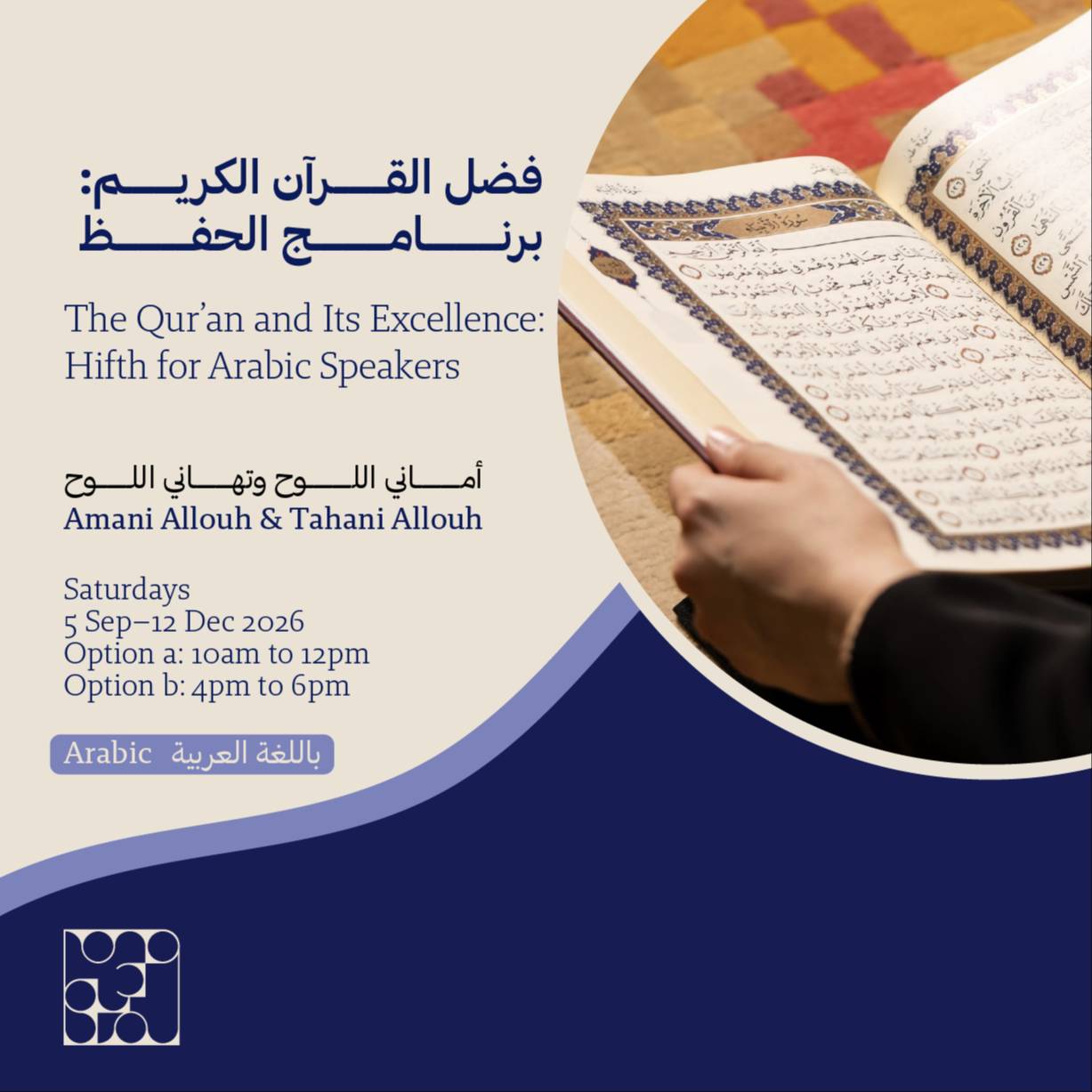
The Qur’an and Its Excellence: Hifth for Arabic Speakers
- Religious Programs
- Ar
 Free
Free
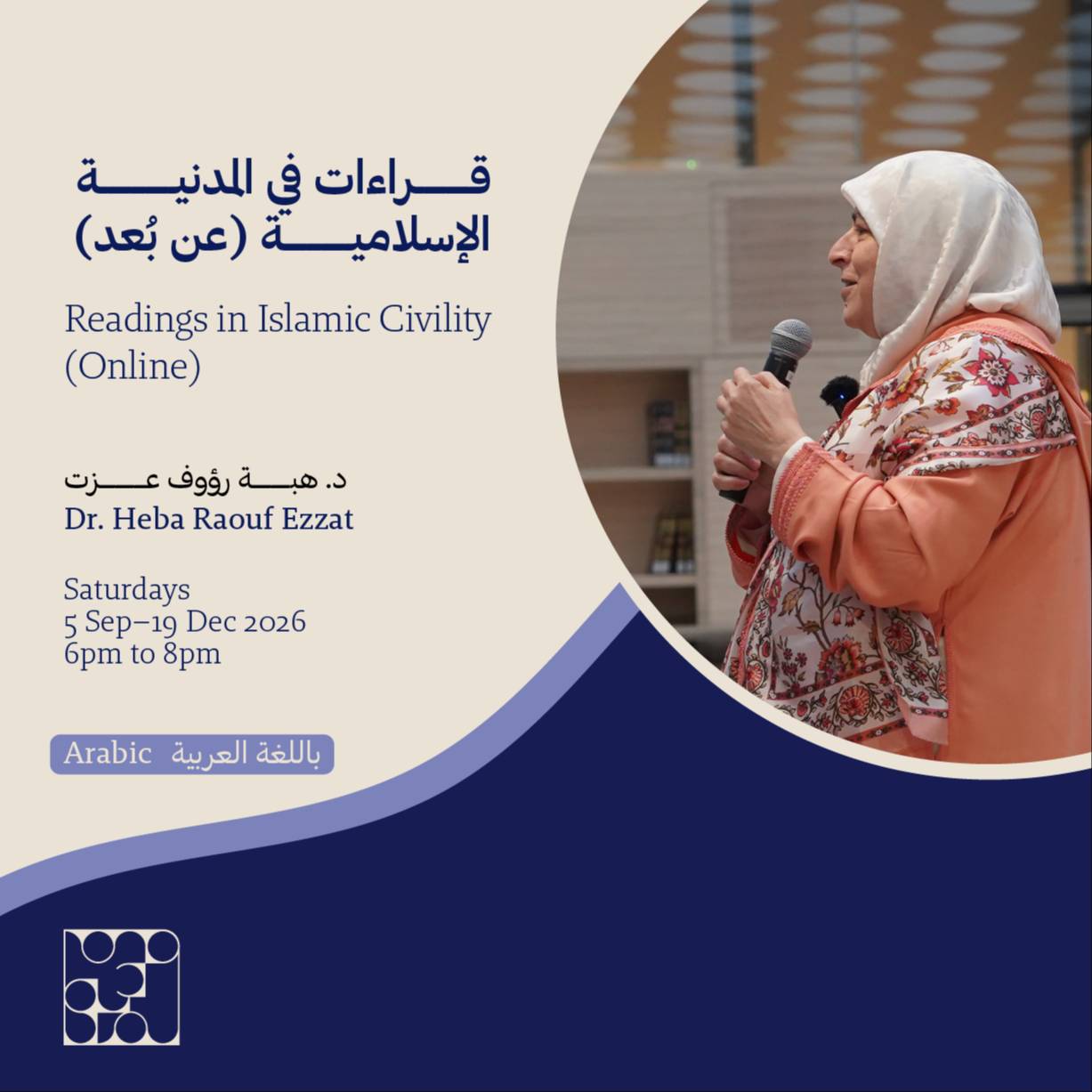
Readings in Islamic Civility (Online)
- Religious Programs
- Ar
 Paid
Paid
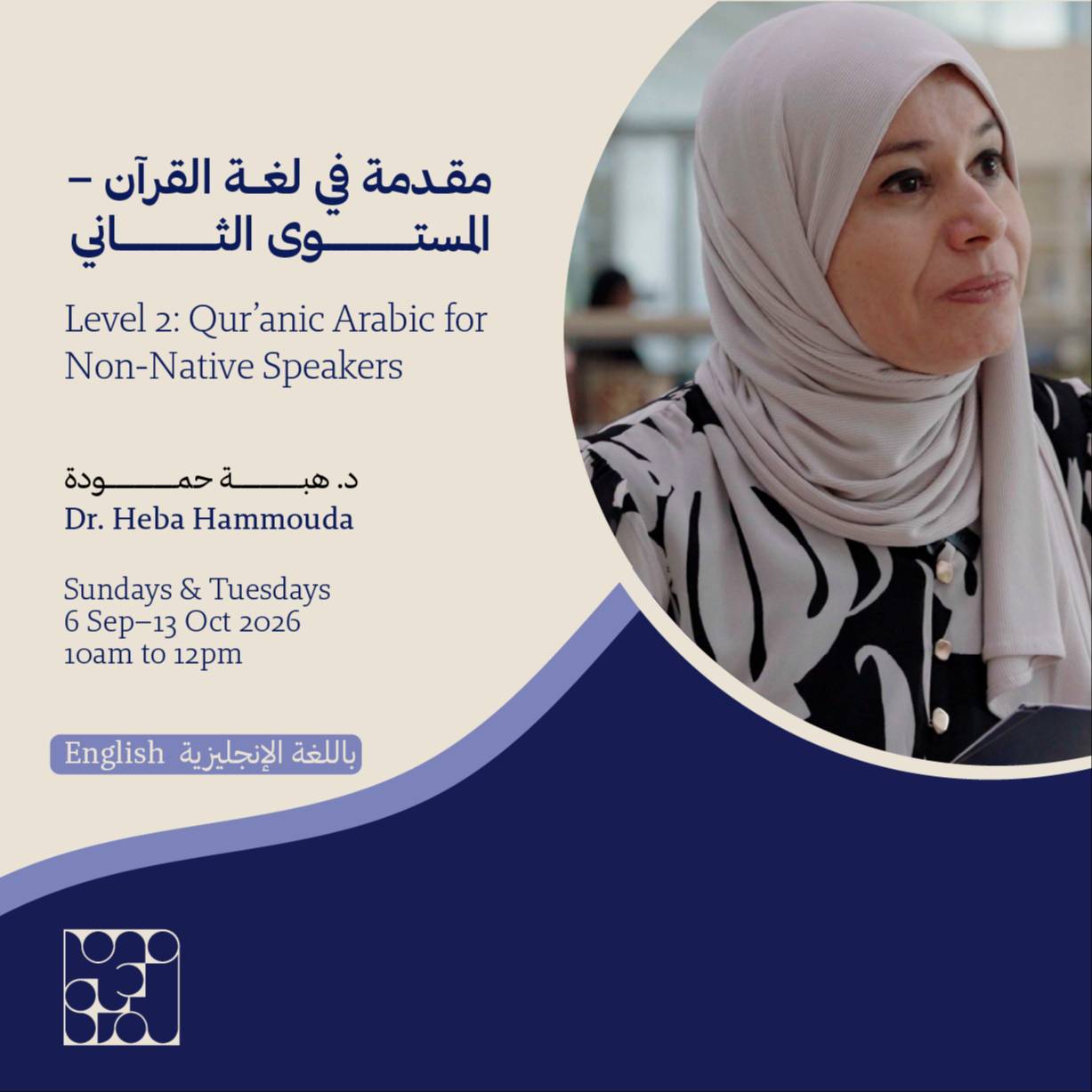
Level 2: Qur’anic Arabic for Non-Native Speakers
- Religious Programs
- En
 Paid
Paid
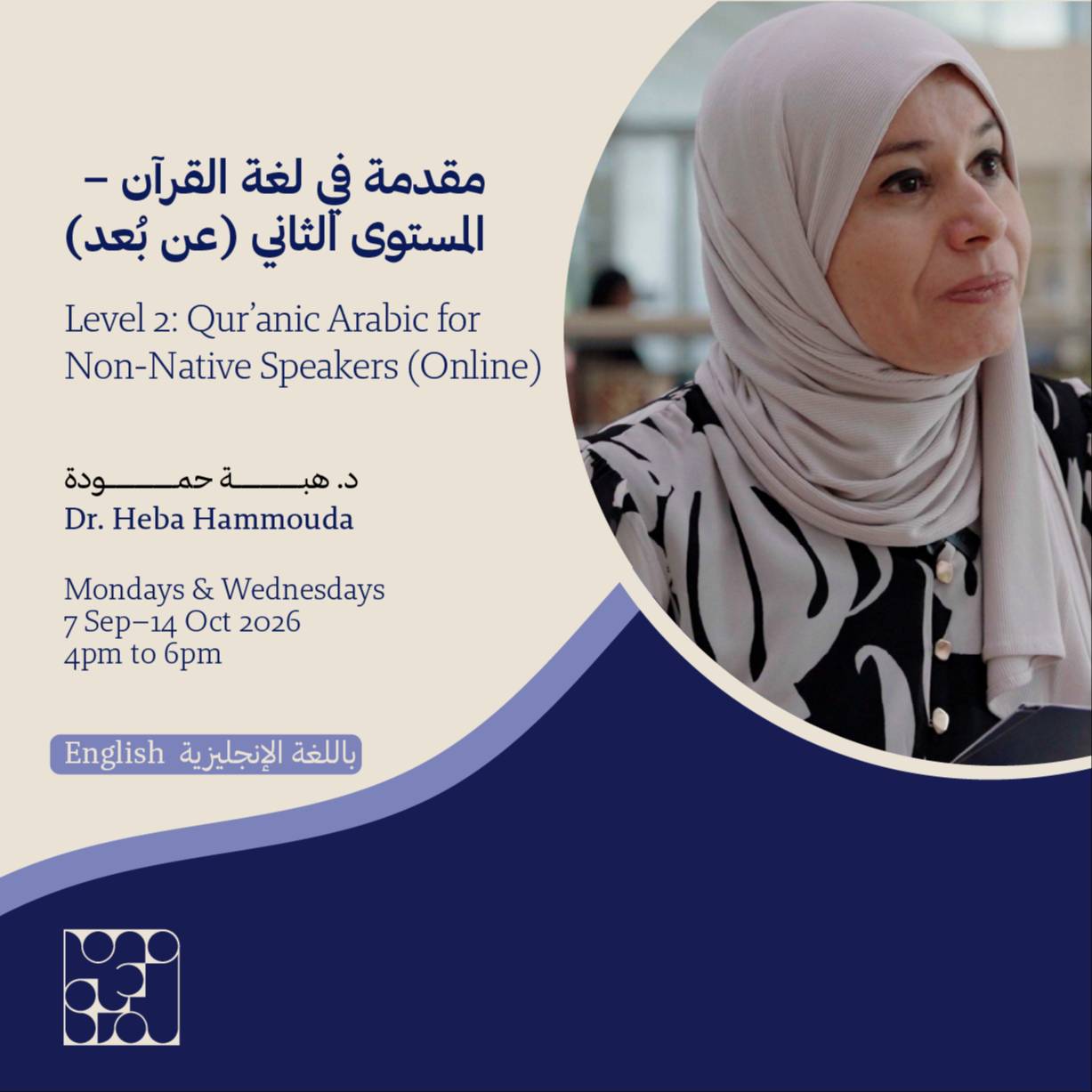
Level 2: Qur’anic Arabic for Non-Native Speakers (Online)
- Religious Programs
- En
 Paid
Paid
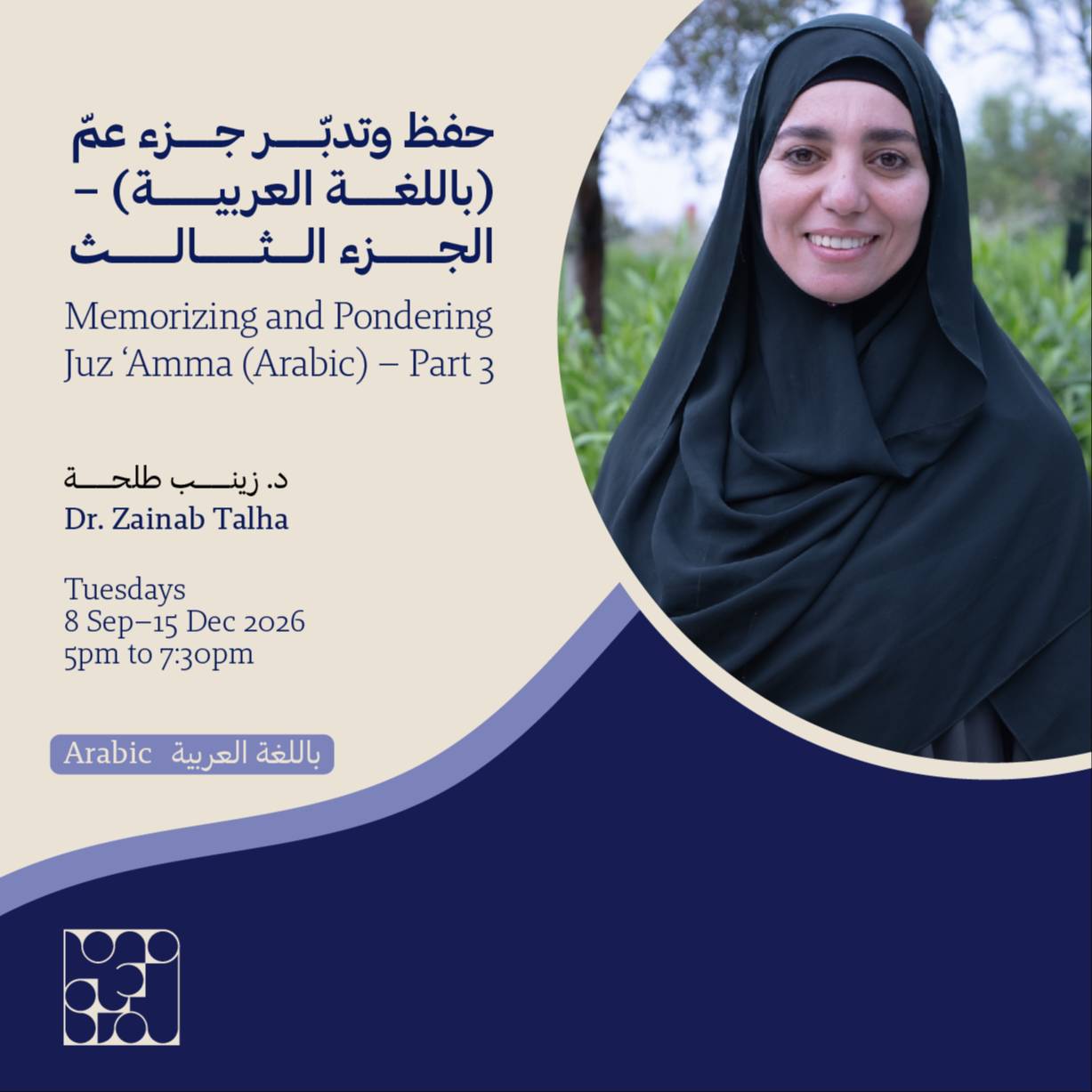
Memorizing and Pondering Juz ‘Amma (Arabic) – Part 3
- Religious Programs
- Ar
 Paid
Paid
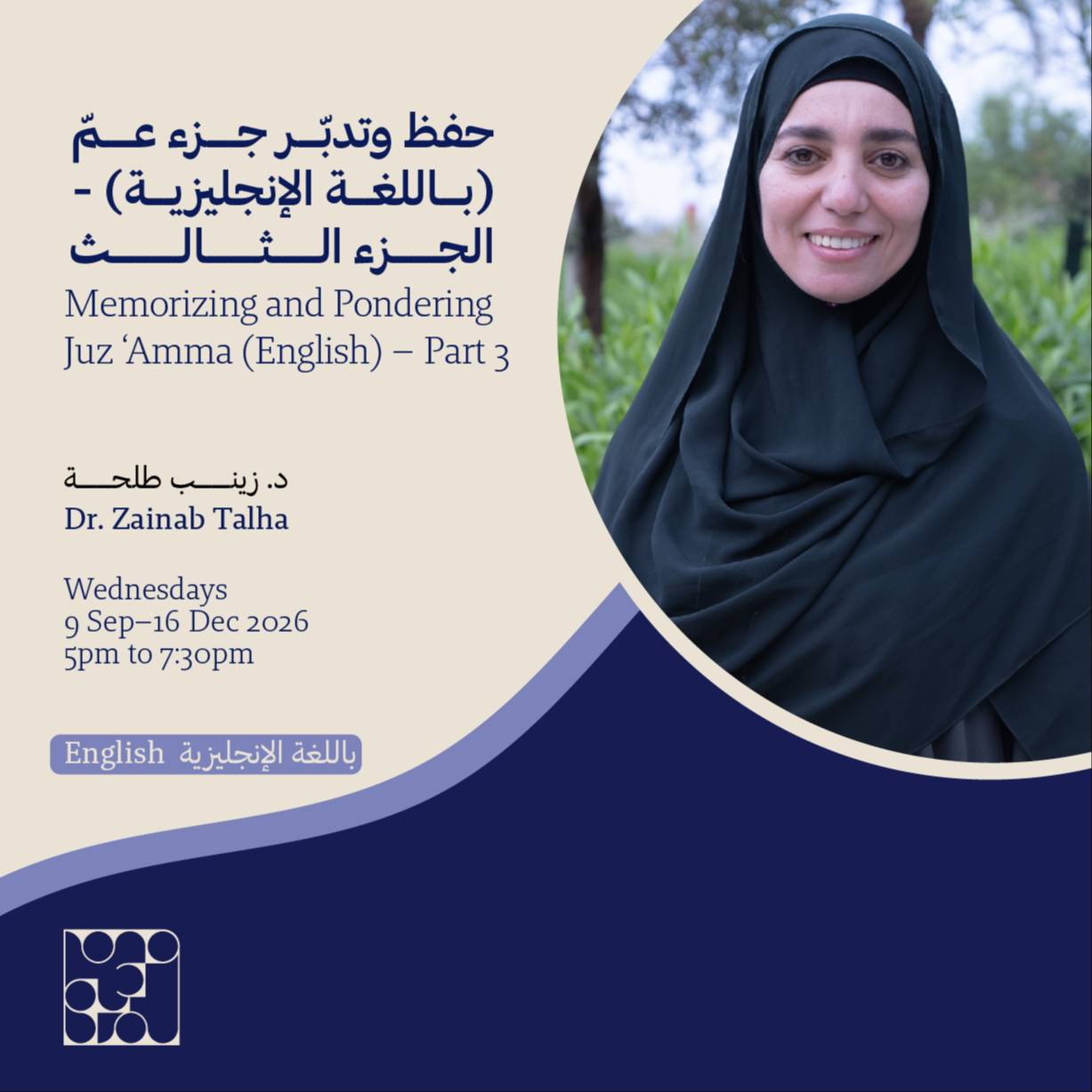
(English) Memorizing and Pondering Juz 'Amma (Part 3)
- Religious Programs
- En
 Free
Free
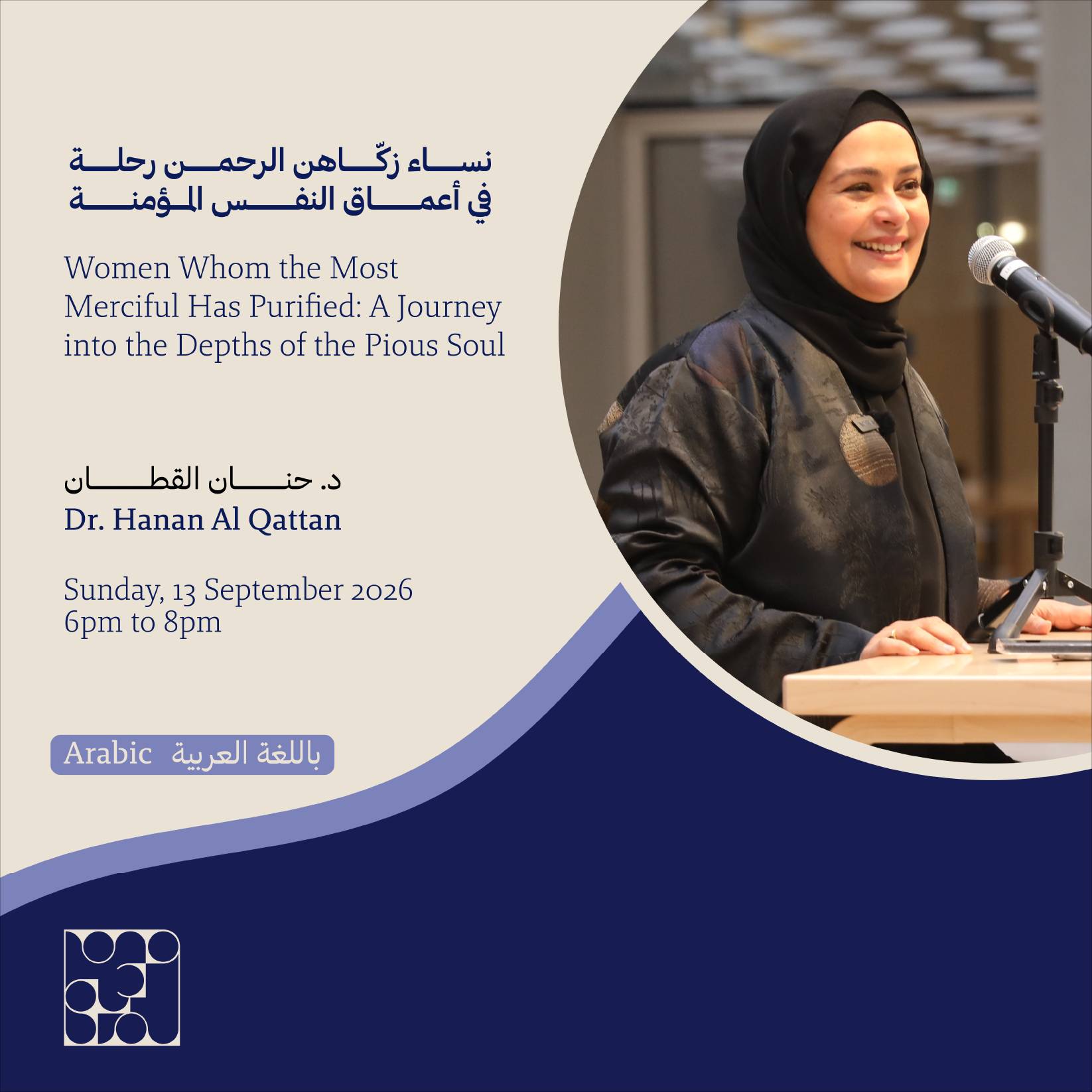
Women Whom the Most Merciful Has Purified: A Journey into the Depths of the Pious Soul
- Religious Programs
- Ar