
Programs & Events
Al-Mufassal: Reflection and Action
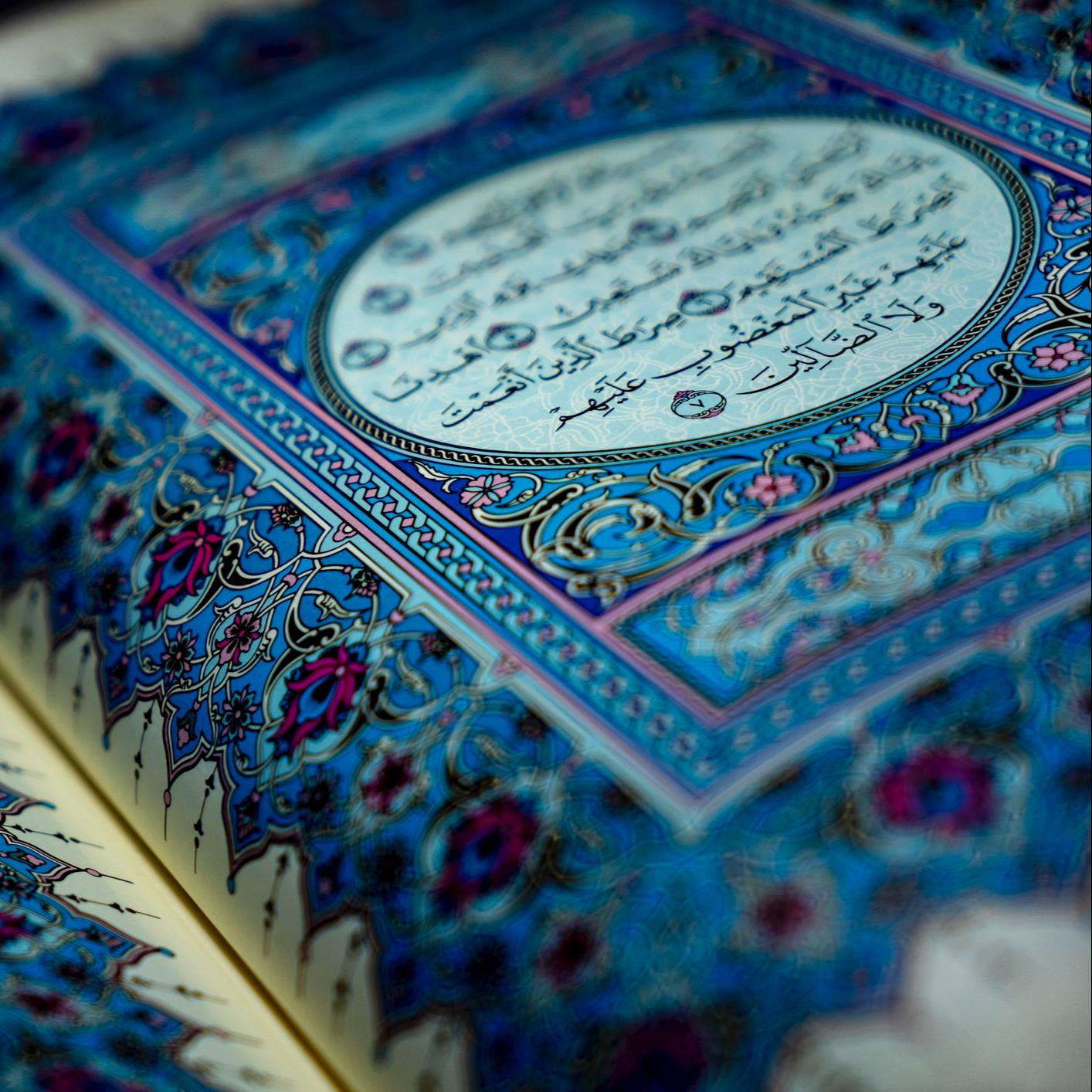
Allah, the Merciful, the Compassionate says in the Holy Qur’an: “[This is] a blessed Book which We have revealed to you, [O Mohammed], so that they may reflect upon its verses and ..
- Religious Programs
- Ar
- Register
About this Program
Allah, the Merciful, the Compassionate says in the Holy Qur’an: “[This is] a blessed Book which We have revealed to you, [O Mohammed], so that they may reflect upon its verses and that those of understanding may be reminded,” Surah Sad, Verse 29.
The Prophet (Peace Be Upon Him) also once said: “I was given, in place of the Torah, the Seven Long Surahs; in place of the Psalms, the Surahs of one hundred verses; in place of the Gospel, the Mathani; and I was favored with the Mufassal (shorter chapters of the Qur’an)” (Authentic Hadith).
This program aims to connect participants with the Qur’an through the Suwar Al-Mufassal (the shorter chapters of the Qur’an, from Sarah Al-Hujurat to Sarah Al-Nas), with both the practical and educational dimensions of Tadabbur (reflection). Together, we will cultivate a community deeply tied to the Qur’an, through understanding and application, so that its verses’ impact is reflected in our character for the better.
Al-Hasan Al-Basri (may Allah have mercy on him) said: “Those before you saw the Qur’an as messages from their Lord; they would reflect upon them at night and implement them during the day.”
The early generations of Muslim engaged with the Qur’an by contemplating its verses in the night, and living by them during the day. Today, we must strive to follow their example by studying the Qur’an to understand its meanings, observe its limits, and live by its guidance.
This program has been designed as a practical step toward understanding the Qur’an through reflecting on the chapters of Al-Mufassal, opening hearts to the meanings of the Noble Book, deepening comprehension of its rulings, and reflecting on its eloquence.
If you find it difficult to cover the fees and require financial assistance, please apply for a fee waiver at this link: https://forms.cloud.microsoft/r/SgK4L85X41
The chapters of Al-Mufassal (from Surah Al-Hujurat to Al-Nas) were chosen for the following reasons:
1. Connection to the Prophet (Peace Be Upon Him) and his teaching
The Prophet (PBUH) frequently recited from Al-Mufassal in prayer, especially in the audible prayers. In fact, much of what the Companions memorized from his recitation came from Al-Mufassal. This highlights these Surahs as a practical way for Tazkiyah (purifying one’s self) and instruction.
2. Accessibility to hearts
These Surahs are short, their wording is simple, and their messages are direct. This makes them close to people’s hearts, especially beginners in reflection. Their brevity also makes them easier to memorize and reinforce their impact.
3. Thematic diversity
- Belief in the Hereafter (Such as in Surah Al-Nabaʾ, Al-Nazi’at, or Al-Takwir)
- Emphasis on Islamic monotheism (Such as in Surah Al-Ikhlas or Al-Kafirun)
- Moral and behavioral refinement (Such as in Surah Al-Hujurat, Al-Maʿun, or Al-Humazah)
- Strengthening conviction and steadfastness (Such as in Surah Al-Shams, Al-Duha, or Al-Sharh)
Al-Mufassal offers concise yet profound faith-based reminders of the enormity of the Hereafter, and provides concentrated meanings that will impact daily life.
5. Direct connection to Salah
Most Muslims regularly recite from Al-Mufassal in their daily prayers. Reflecting on these Surahs and their meanings enhances Khushuʿ (humility, devotion, and unhurriedness during Salah) and impact in our worship.
1. Introductory Module
- The meaning of Al-Mufassal and the reason for its naming
- Its key moral and legislative themes
2. Tadabbur (reflection)
- Exploring the main educational meanings within selected surahs
- Demonstrating their relevance to the daily life of the Muslim
3. Practical Dimension
- Extracting a practical message from each Surah studied
- Suggesting weekly action steps for participants to apply
4. Follow-Up
- Opening space for participants to share experiences at the start of each session
- Encouraging both collective and individual application
Meet our Instructor

Muna Hassan Mustafa
Recommended For You
 Paid
Paid
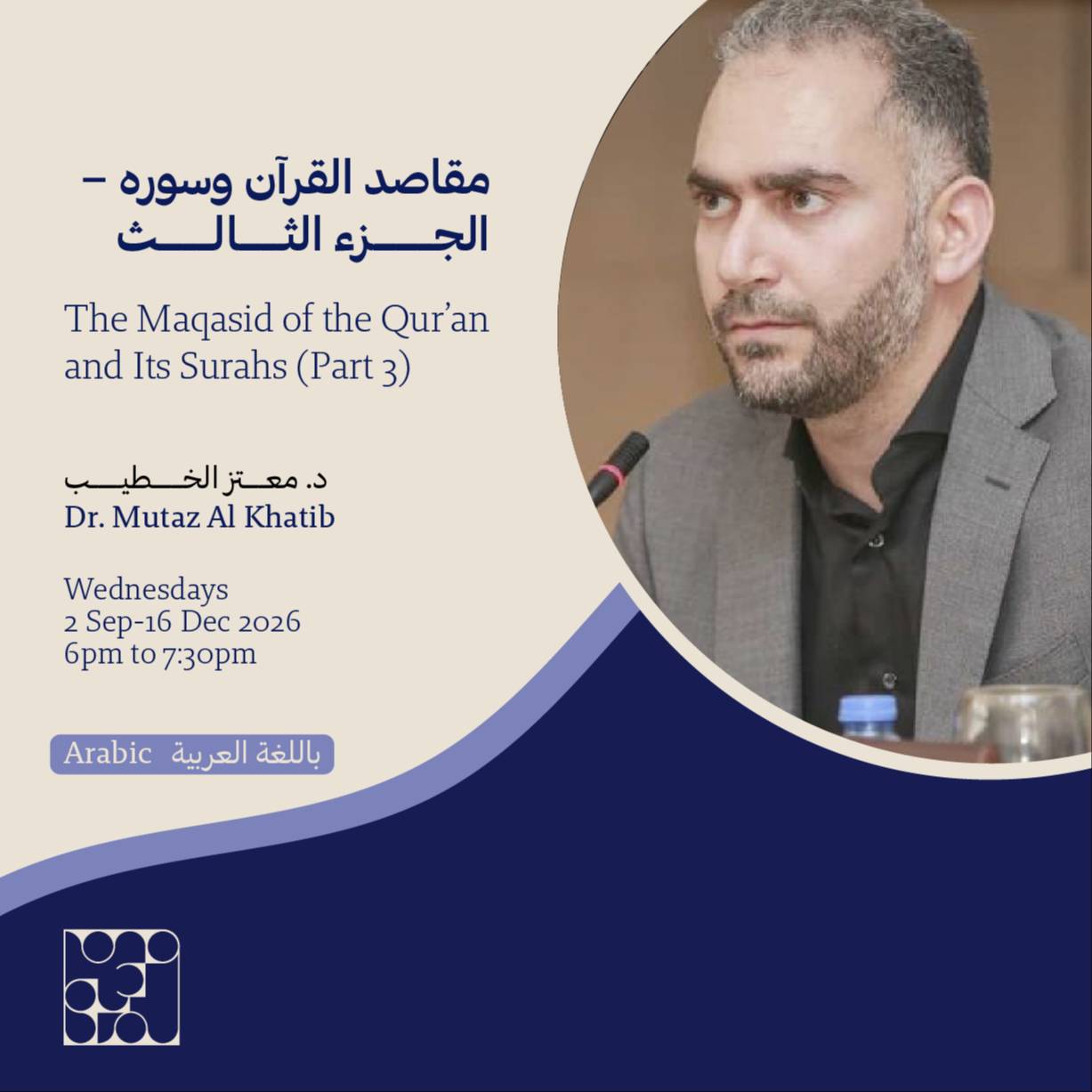
The Maqasid of the Qur’an and Its Surahs (Part 3)
- Religious Programs
- Ar
 Paid
Paid
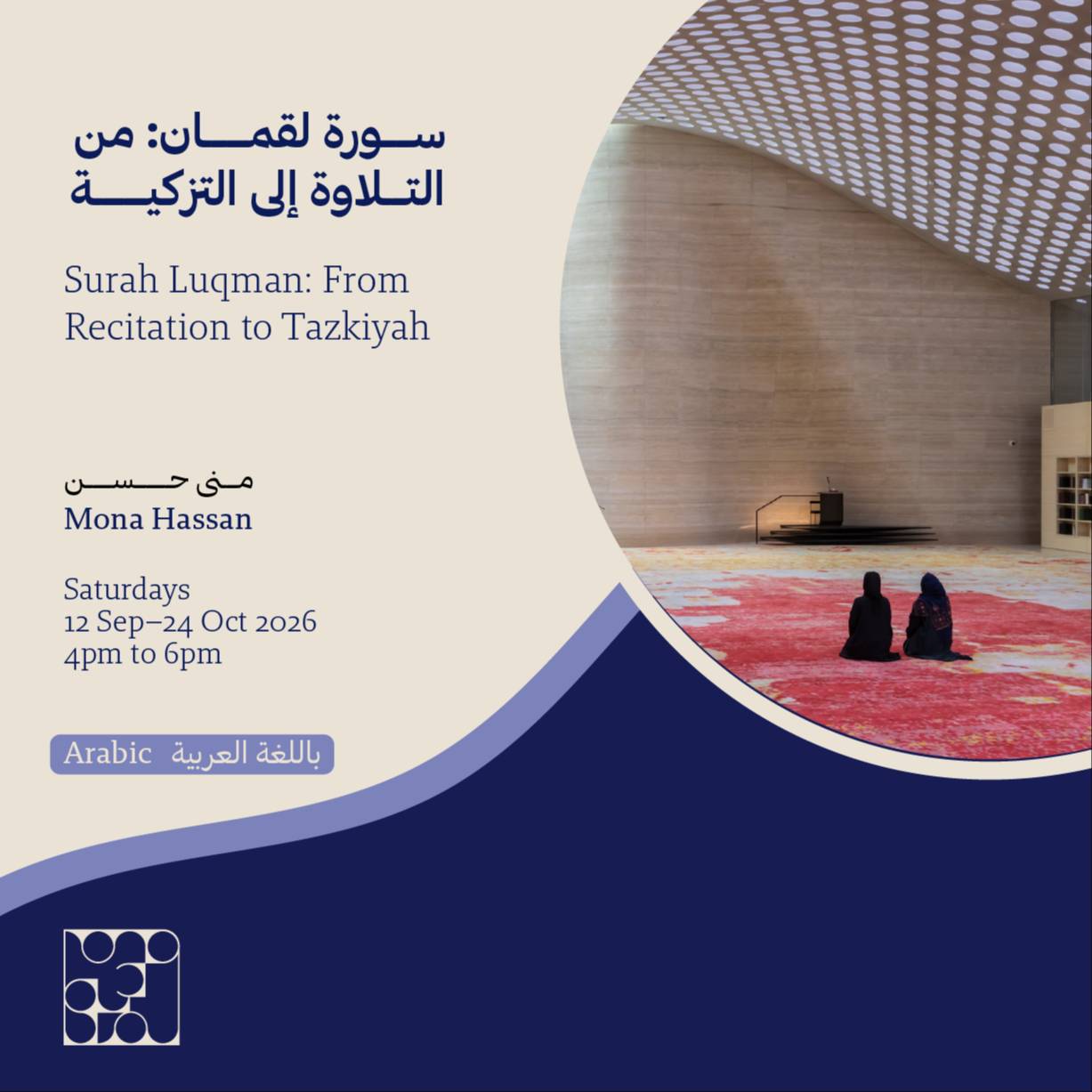
Surah Luqman: From Recitation to Tazkiyah
- Religious Programs
- Ar
 Paid
Paid
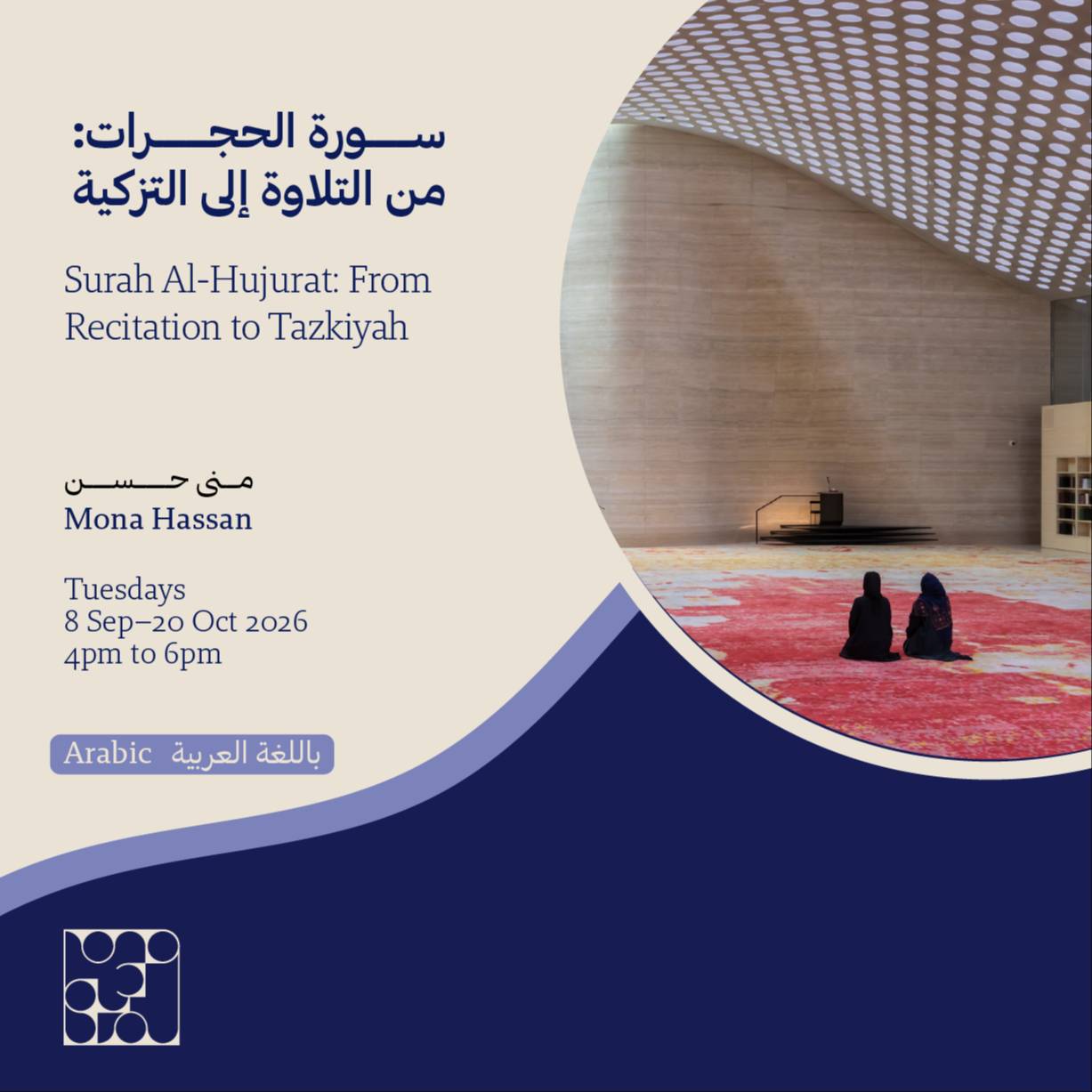
Surah Al-Hujurat: From Recitation to Tazkiyah
- Religious Programs
- Ar
 Paid
Paid
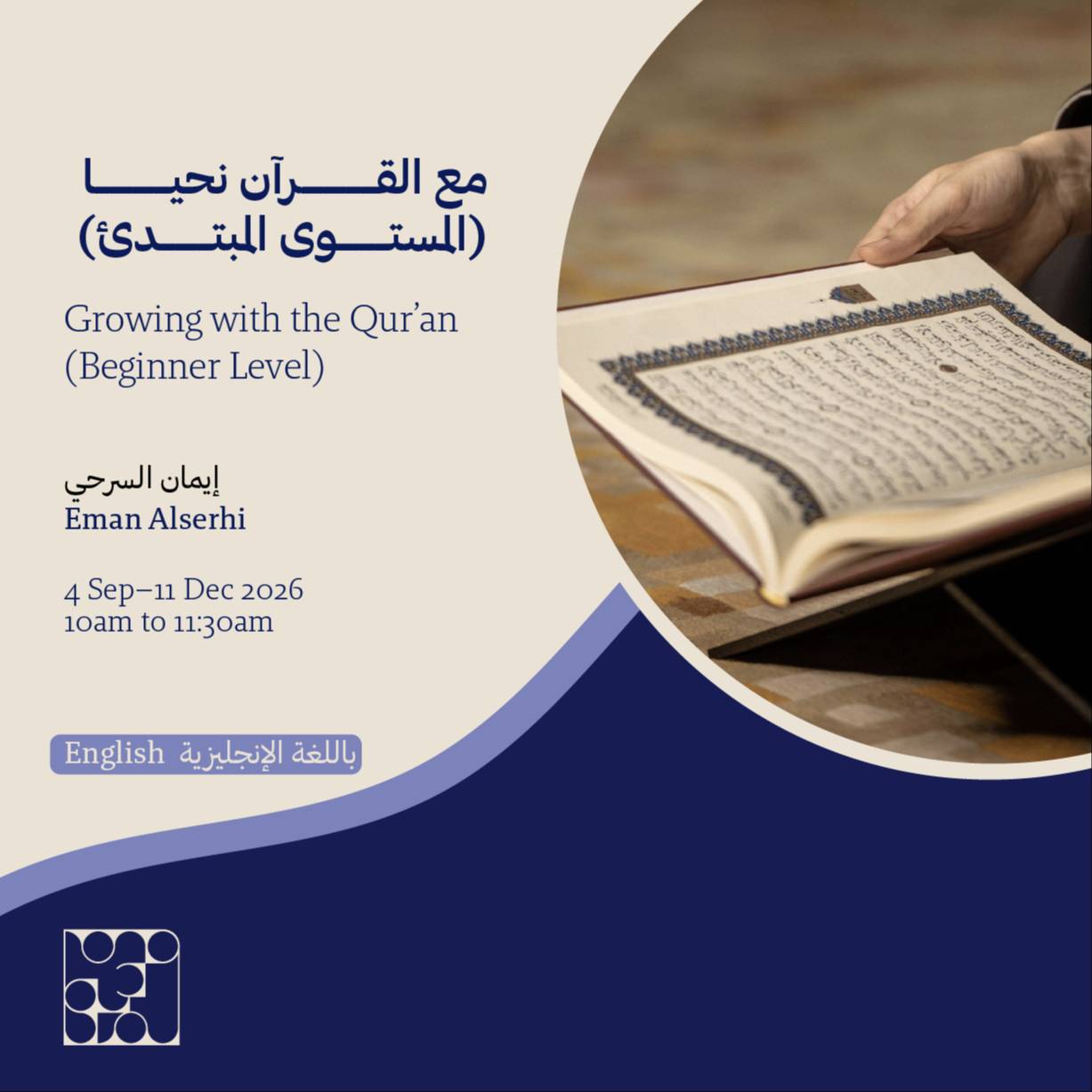
Growing with the Qur’an (Beginner Level)
- Religious Programs
- En
 Paid
Paid
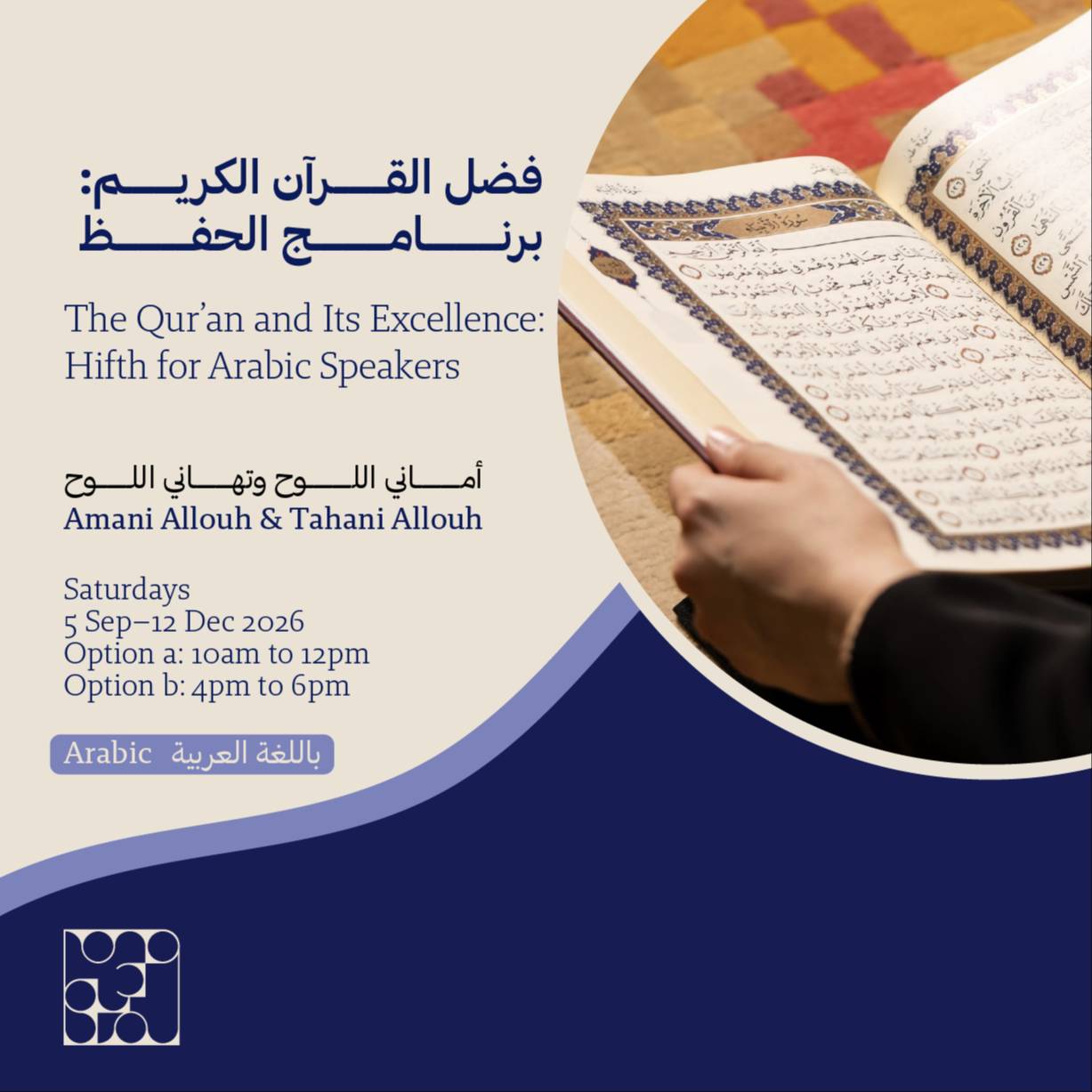
The Qur’an and Its Excellence: Hifth for Arabic Speakers
- Religious Programs
- Ar
 Free
Free
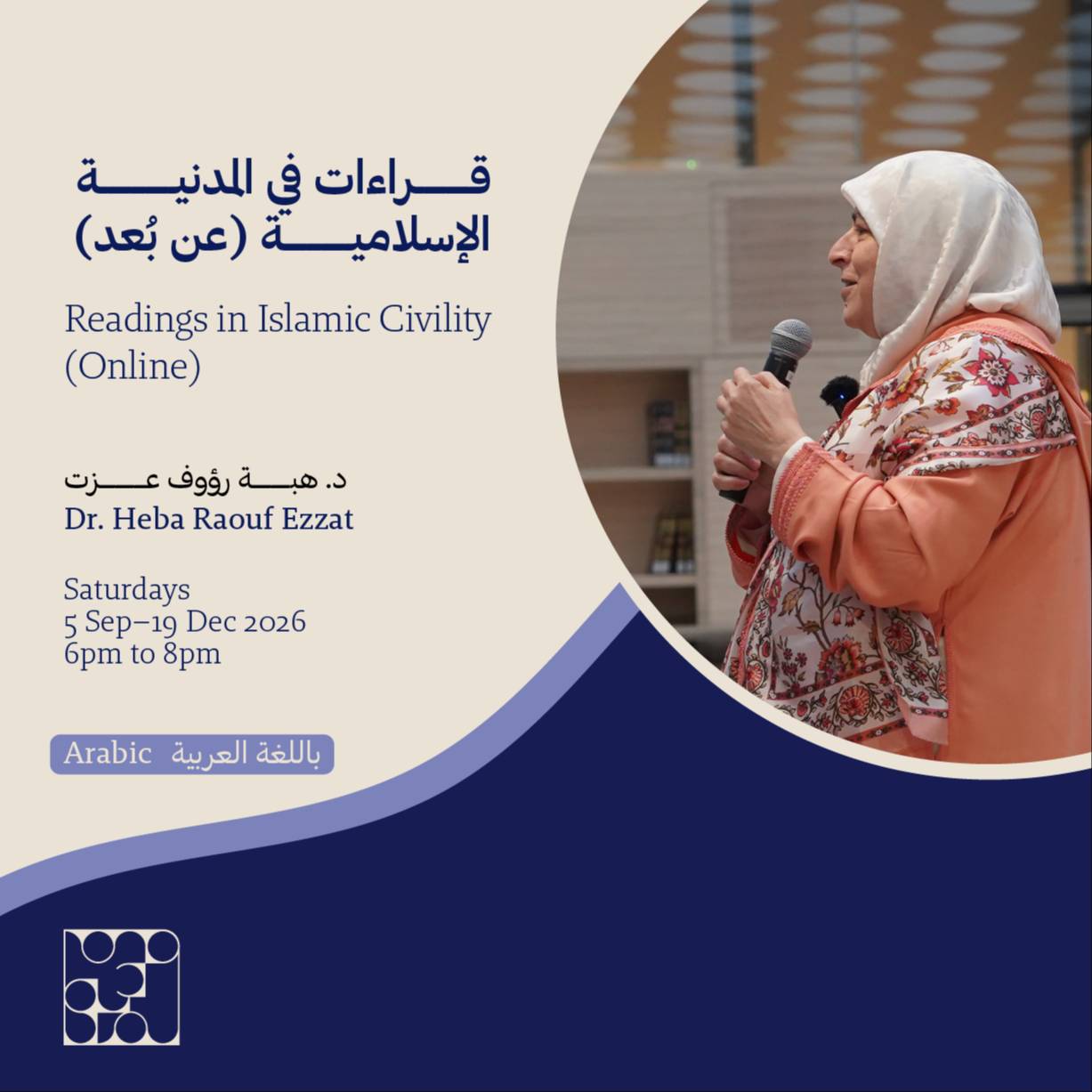
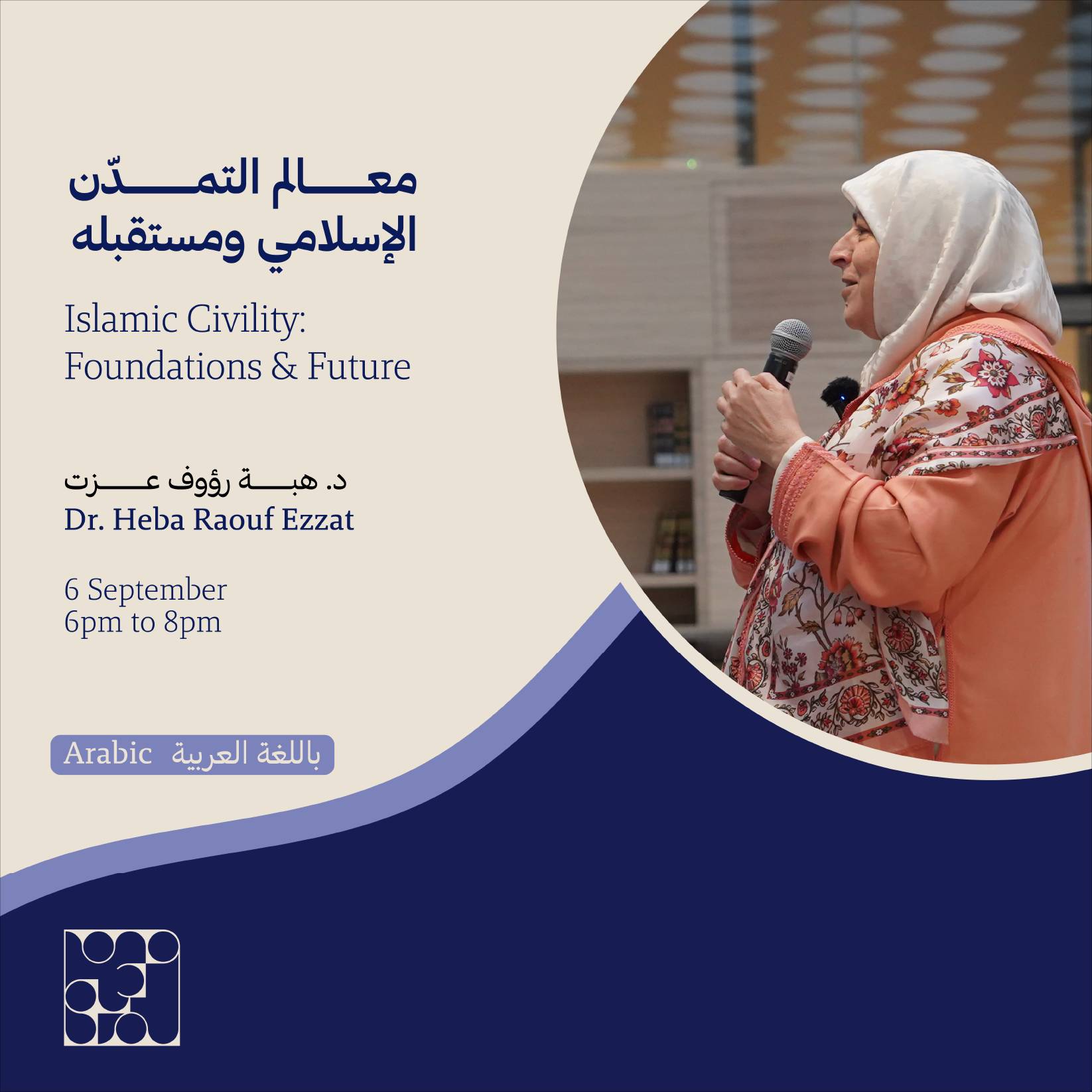
Readings in Islamic Civility (Online)
- Religious Programs
- Ar
 Paid
Paid
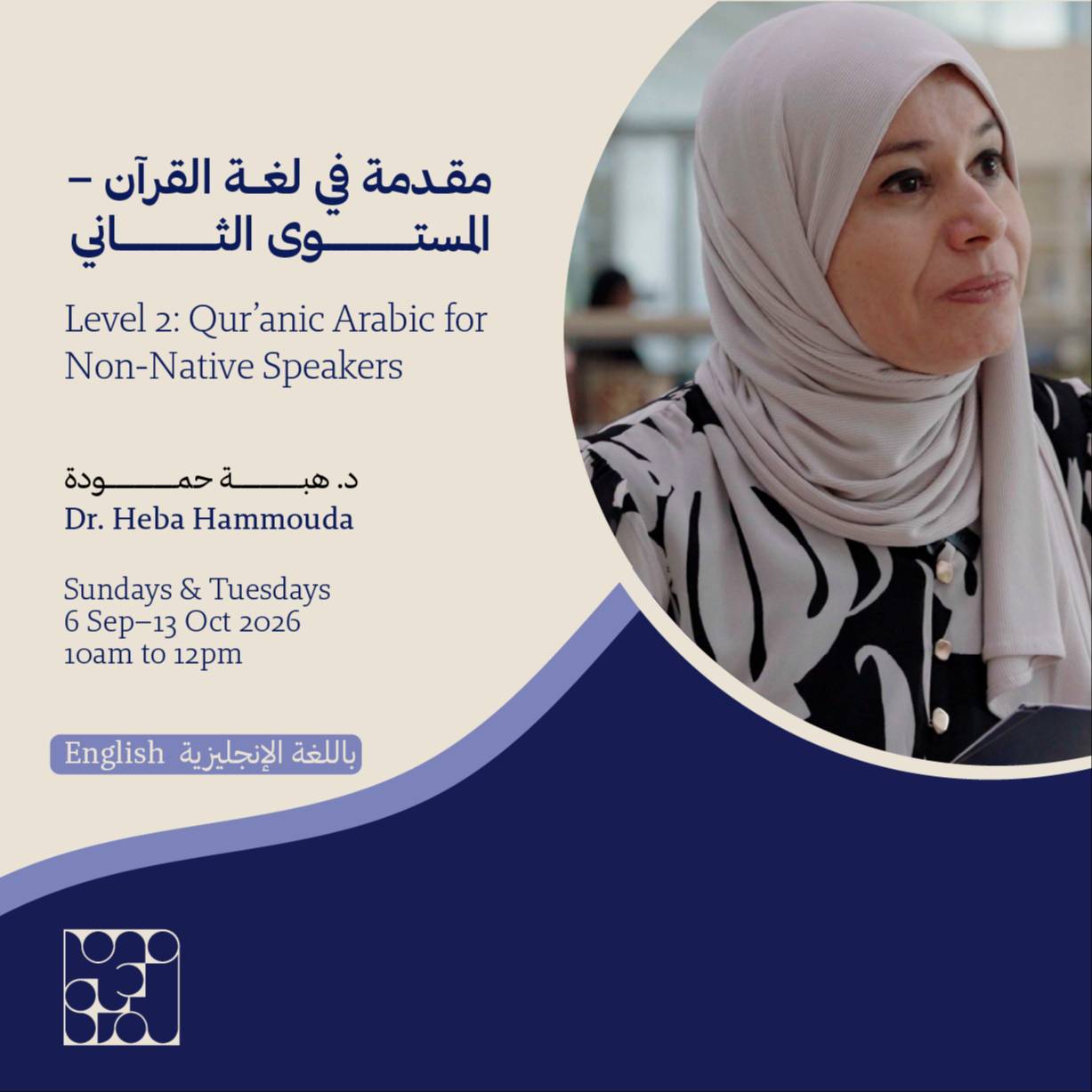
Level 2: Qur’anic Arabic for Non-Native Speakers
- Religious Programs
- En
 Paid
Paid
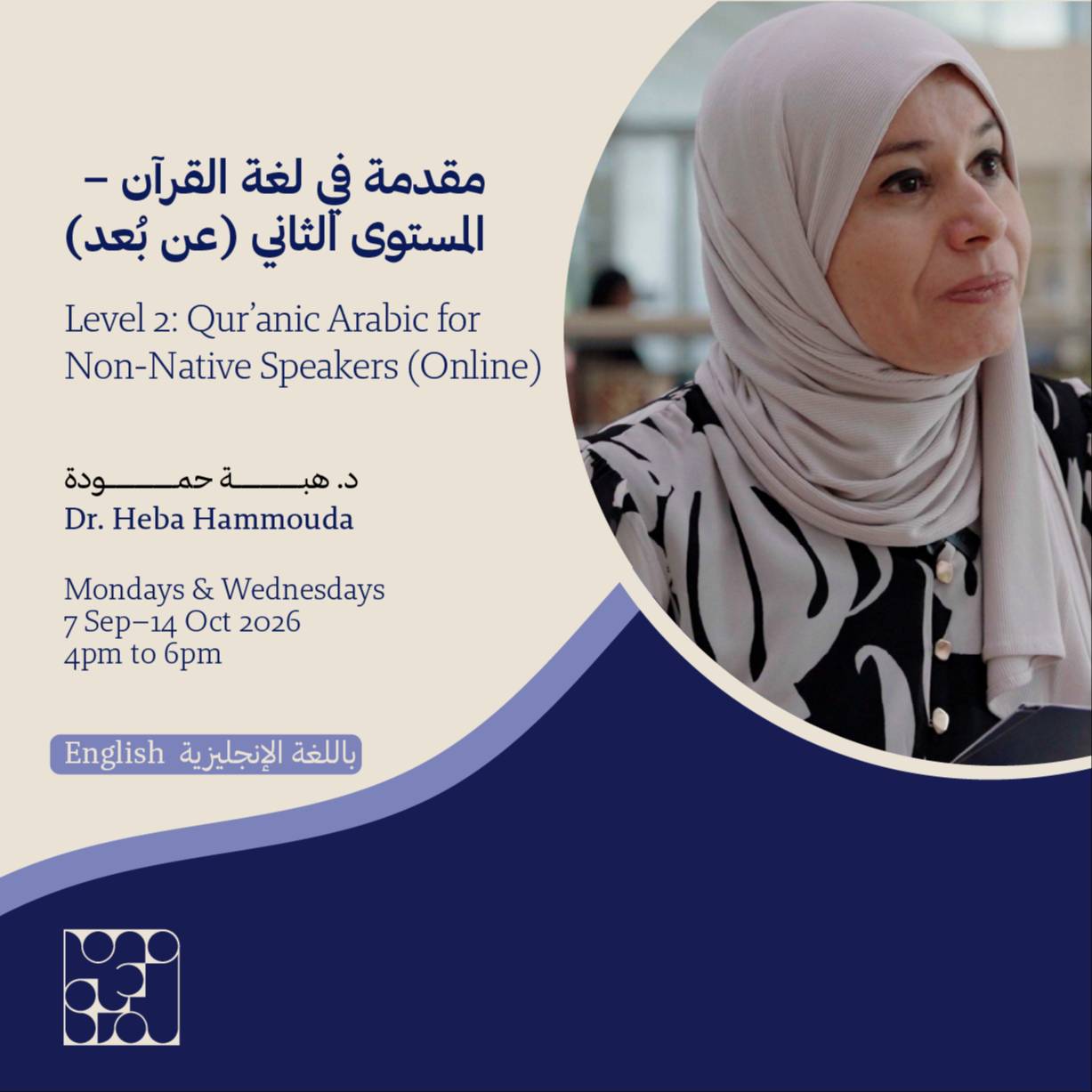
Level 2: Qur’anic Arabic for Non-Native Speakers (Online)
- Religious Programs
- En
 Paid
Paid
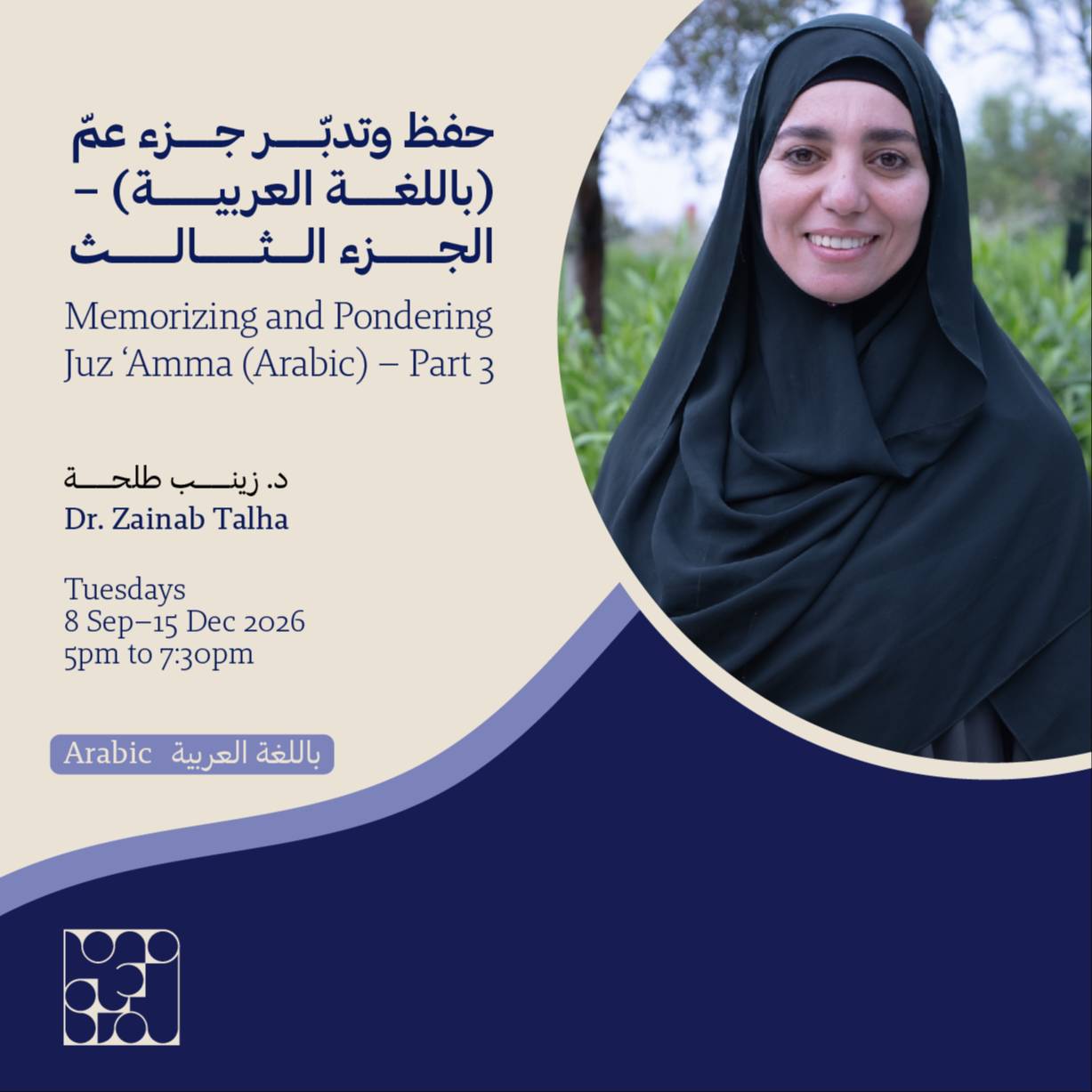
Memorizing and Pondering Juz ‘Amma (Arabic) – Part 3
- Religious Programs
- Ar
 Paid
Paid
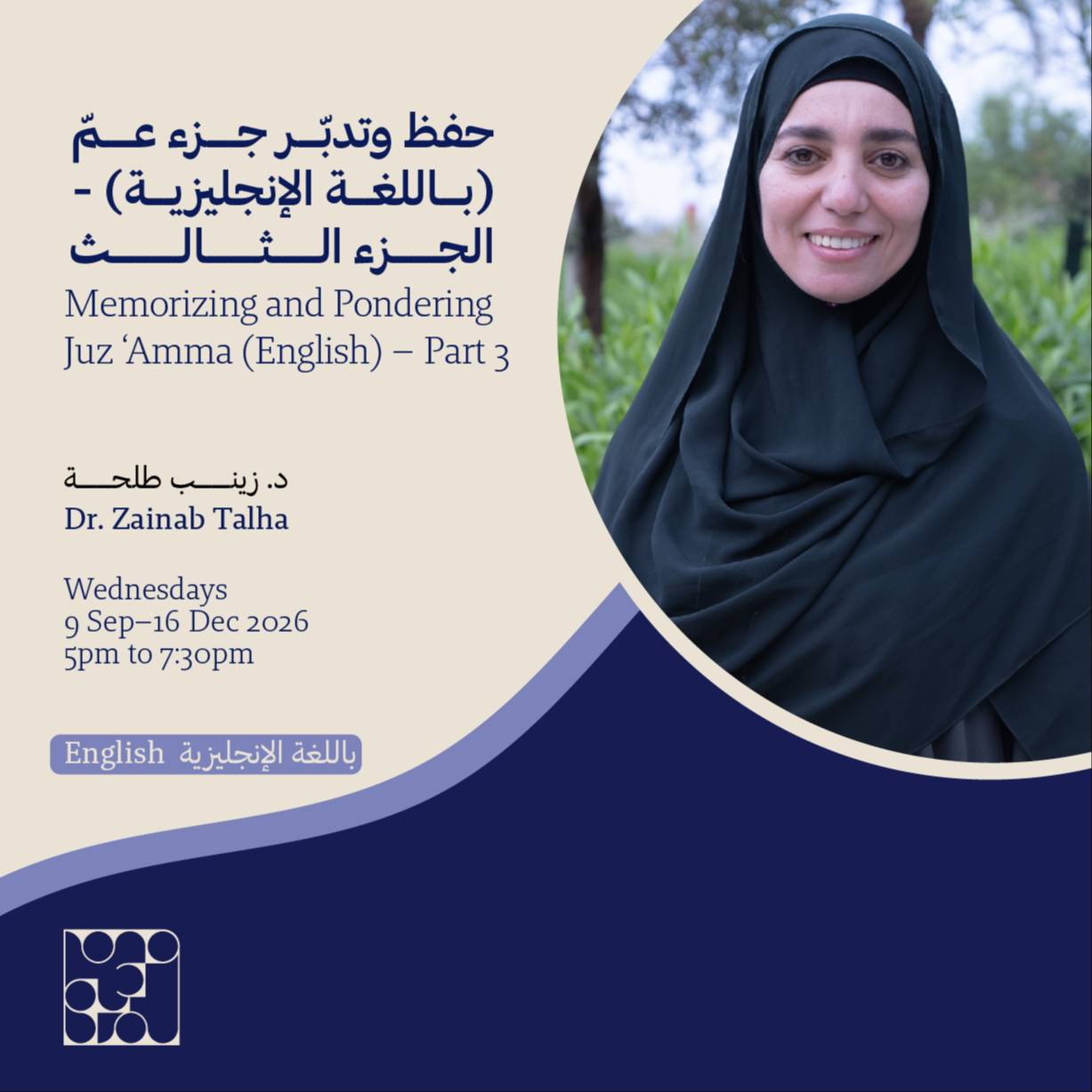
(English) Memorizing and Pondering Juz 'Amma (Part 3)
- Religious Programs
- En
 Free
Free
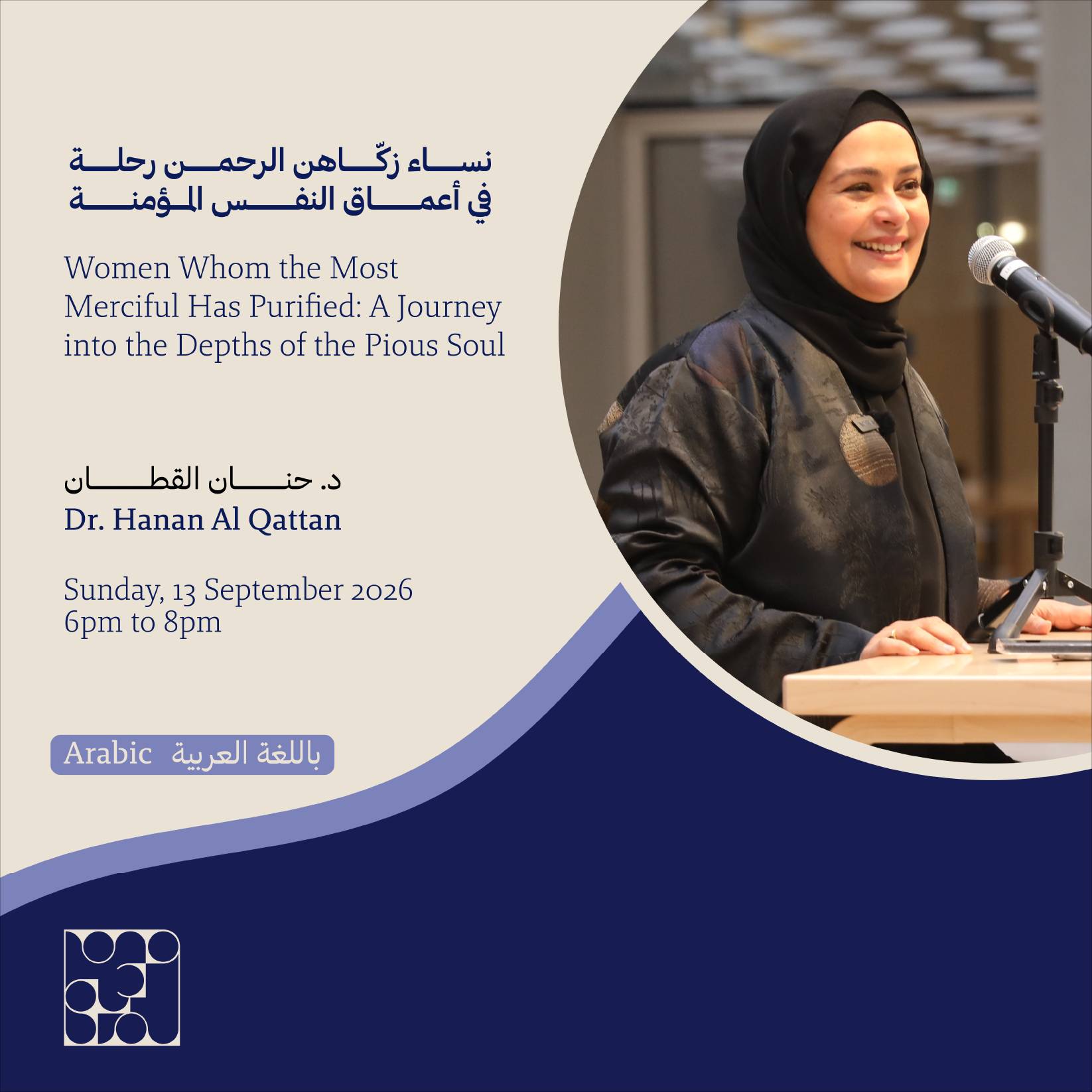
Women Whom the Most Merciful Has Purified: A Journey into the Depths of the Pious Soul
- Religious Programs
- Ar