
Programs & Events
Emotional Intelligence in the Qur’an, the Sunnah, and Contemporary Science

This three-part program aims to instill and develop emotional intelligence in light of Qur’anic guidance and the noble Prophetic example, while connecting them with the findings of..
- Developmental Programs
- Ar
- Register
About this Program
This three-part program aims to instill and develop emotional intelligence in light of Qur’anic guidance and the noble Prophetic example, while connecting them with the findings of contemporary scientific research. It is based on the principle that the Qur’an and Sunnah present the finest models for regulating emotions, understanding oneself, and managing relationships, then compares these with the insights of modern psychology and its practical tools. The program integrates three key aspects:
- Islamic foundation: Qur’anic verses and Prophetic examples that outline principles of managing emotions and feelings, such as patience, anger management, mercy, and forgiveness.
- Psychological foundation: Contemporary models of emotional intelligence, such as by Daniel Goleman or Mayer and Salovey, and their applications.
- Practical foundation: Exercises and activities that strengthen empathy, stress management, active listening, and building positive relationships.
1. Introduction to Emotional Intelligence
- Definition linguistically and technically.
- The importance of emotional intelligence in both religious and worldly success.
- Stories of the Prophets as examples of steadfastness and emotional regulation, such as Yusuf, Musa, and Prophet Mohammed (Peace Be Upon Him).
- Prophetic guidance on mercy, patience, and anger management.
- Daniel Goleman’s model (self-awareness, self-management, social awareness, relationship management).
- Recent research on the impact of emotional intelligence on mental health and professional success.
- Points of convergence between the revealed texts and scientific discoveries.
- Shari’ah-based guidelines for engaging with psychological theories.
- Exercises in emotional awareness and naming emotions.
- Strategies for stress management.
- Developing active listening and empathy.
- Practical application of forgiveness and Ihsan (excellence) in relationships.
By the end of the program, participants will be able to:
Knowledge
- Understand the concept of emotional intelligence from Qur’anic, Prophetic, and scientific perspectives.
- Recognize the role of emotions in decision-making and relationships.
Key Skills
- Practice self-awareness and emotional regulation.
- Develop the ability to empathize and understand others.
- Apply practical strategies for managing stress and negative emotions.
- Strengthen the ability to build positive relationships.
Values and Spirituality
- Draw upon Qur’anic values and Prophetic traditions in emotional interactions.
- Connect emotional intelligence to worship and Ihsan (excellence).
- Channel emotions to deepen one’s relationship with Allah, the Merciful, the Compassionate, and attain inner tranquility.
Meet our Instructor
(1).png)
Dr. Hanan Al-Qattan
Dr. Hanan Al-Qattan is the founder and director of the Itizan Centre for Psychological and Educational Counseling and Training. She holds a Doctor ate in Shari’a with Honors, specializing in psychiatric disorders and their impact on Shari’a provisions, along with a Higher Diploma in Psychological Education.
Dr. Hanan is also a certified international trainer in personality development, psychological counselling, and family stability, with expertise in REBT, CBT, and DBT. She is also the founder of the Inner Peace Volunteer Team for Psychological Support and the Psychological Self-Jurisprudence Project, which integrates psychological guidance with the Qur’an and Sunnah. Dr. Hanan is an author who has written therapeutic stories for children, including Duhaa, The Moon, and an interactive book for girls, Hope and Peace, Leader of Orphans.
Recommended For You
 Paid
Paid
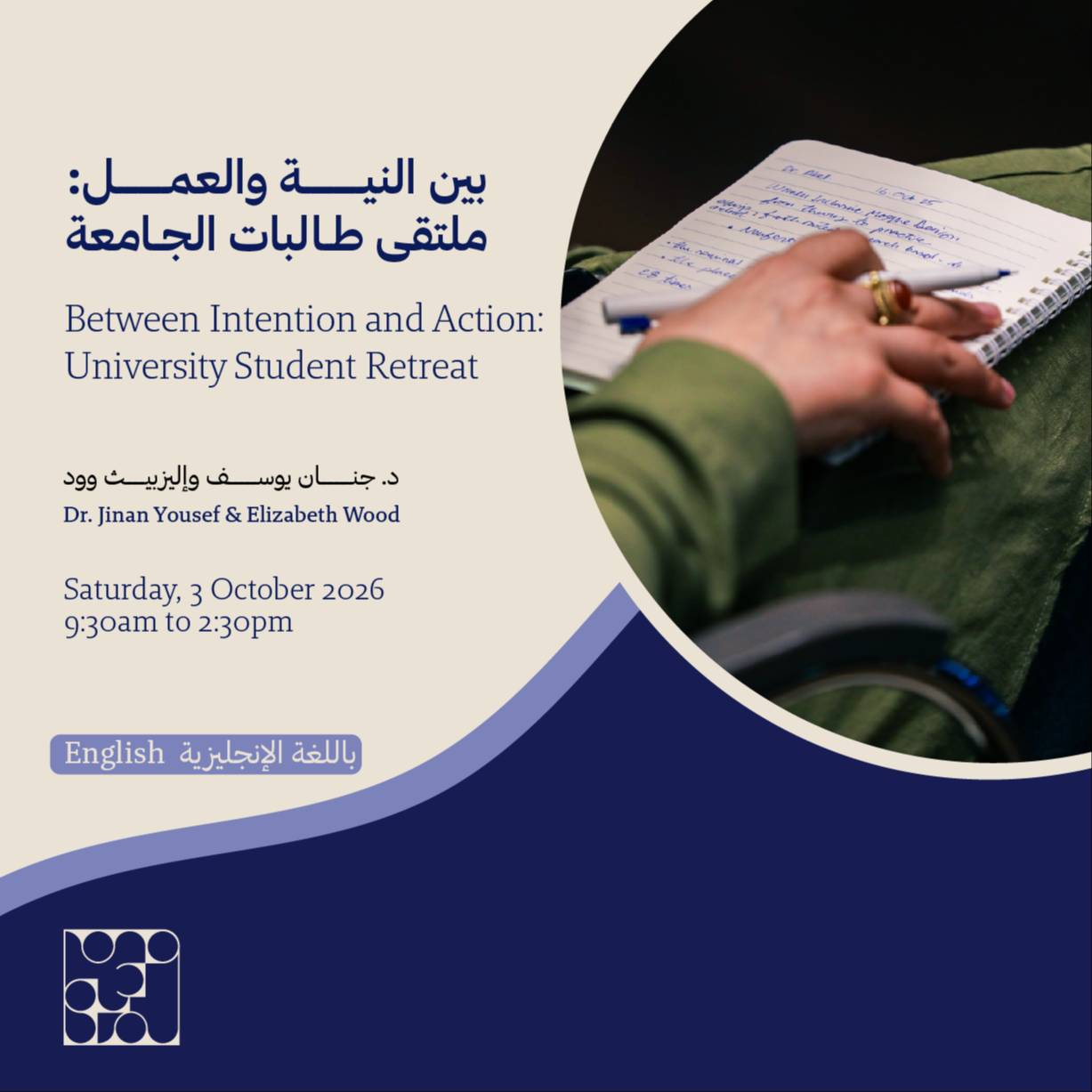
Between Intention and Action: University Student Retreat
- Developmental Programs
- En
 Paid
Paid
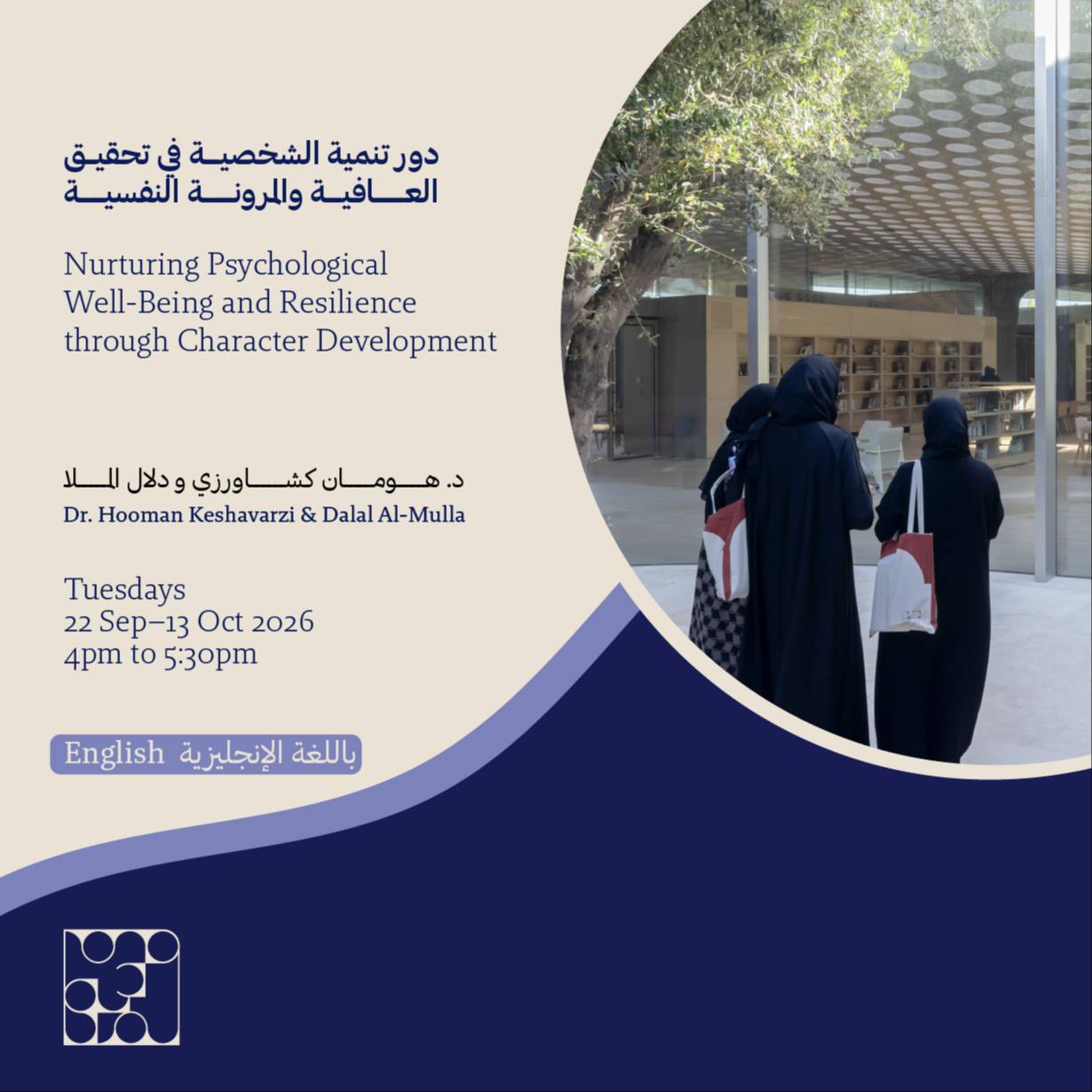
Nurturing Psychological Well-Being and Resilience through Character Development
- Developmental Programs
- En
 Paid
Paid
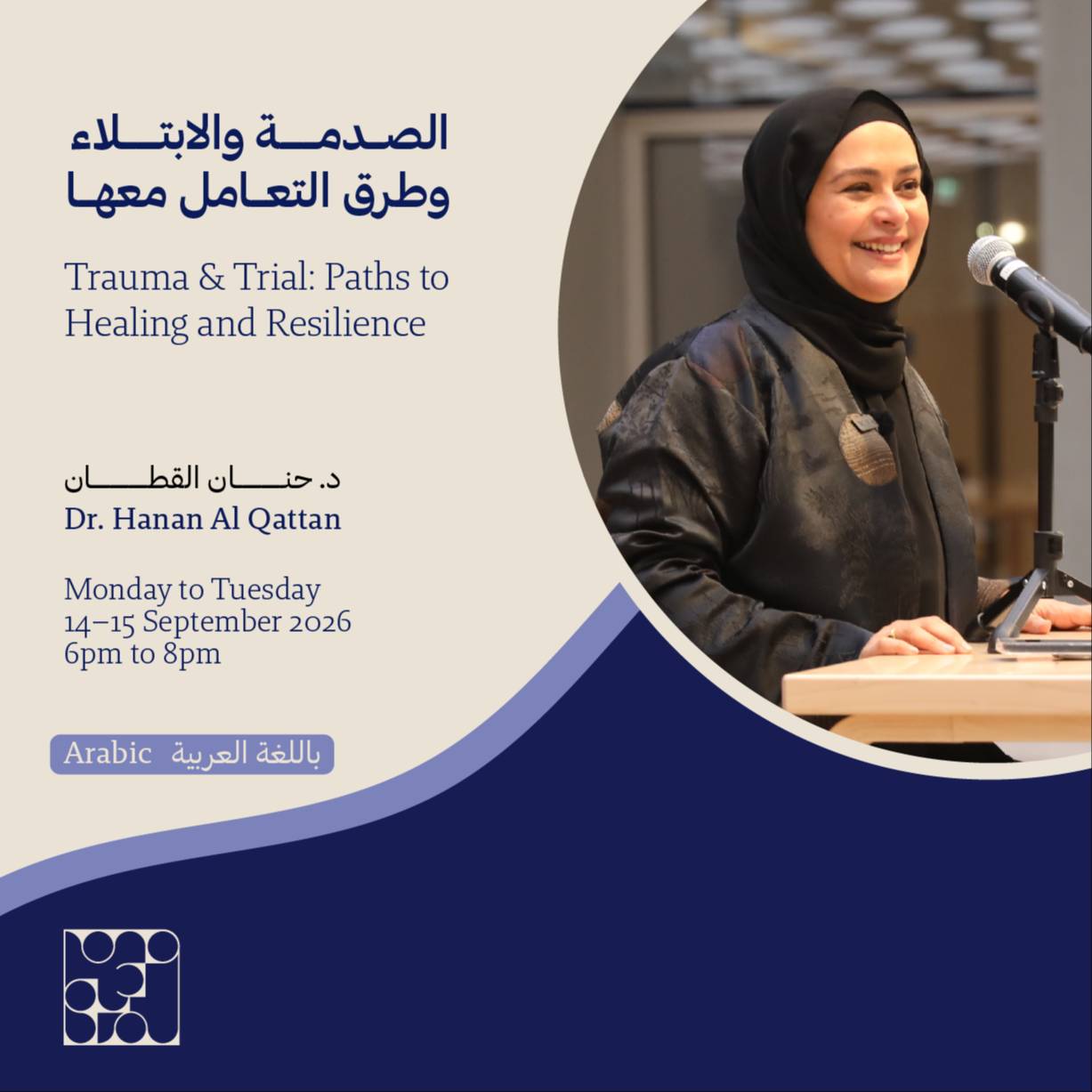
Trauma & Trial: Paths to Healing and Resilience
- Developmental Programs
- Ar