Documentary
Go Back
Research Paper
Pious Womanhood: Diverse Models from the Prophetic Household
This paper critically examines contemporary Islamic discourses that promote a singular, essentialized model of pious womanhood rooted in domesticity, marriage, and static social roles. By analyzing the biographies of the Prophet Muḥammad’s wives—the Mothers of the Believers (ummahāt al-muʾminīn)—the author argues that early Islamic history presents a dynamic spectrum of feminine piety rather than a homogenous ideal. Sharing a common foundation of devotion and Prophetic tarbiya, the co-wives nonetheless cultivated distinct devotional modalities, ranging from asceticism and fasting to public scholarship and community stewardship. Furthermore, their post-Prophetic lives demonstrate divergent interpretations of the Quranic ḥijāb mandate, spanning Sawda’s strict domestic seclusion to ʿĀʾisha’s and Umm Salama’s active political and legal engagement. By situating these differences within a shared cultural milieu, the study demonstrates that diversity in female life trajectories is an intentional feature of the Sunna. Ultimately, the paper calls for relinquishing reductive gender binaries and essentialized definitions of fiṭra, urging modern Muslim communities to honor varied female choices and modalities of public and private engagement.
Related Highlights
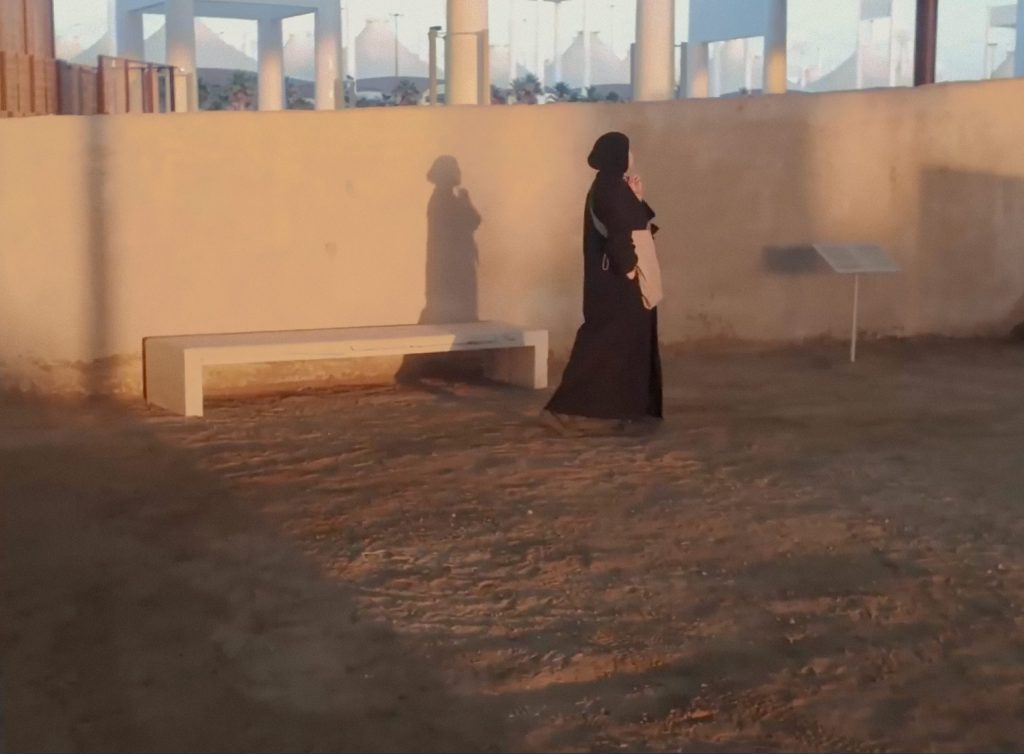
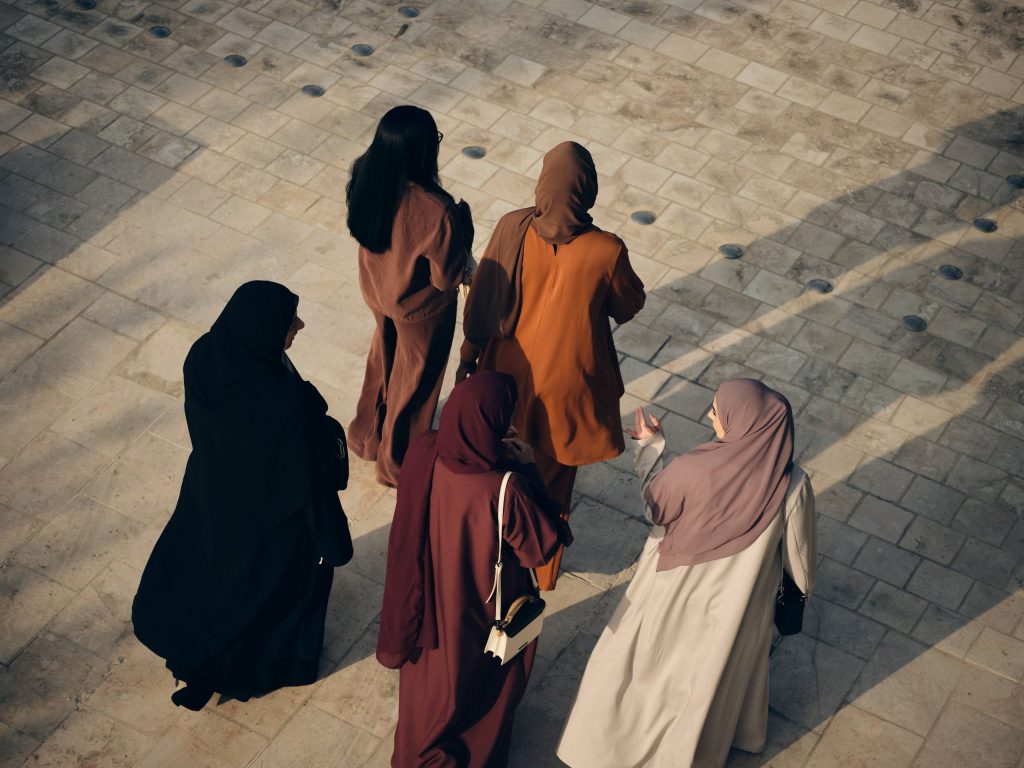
Documentary
Read More
Readings in Islamic Civility
Registration Closed
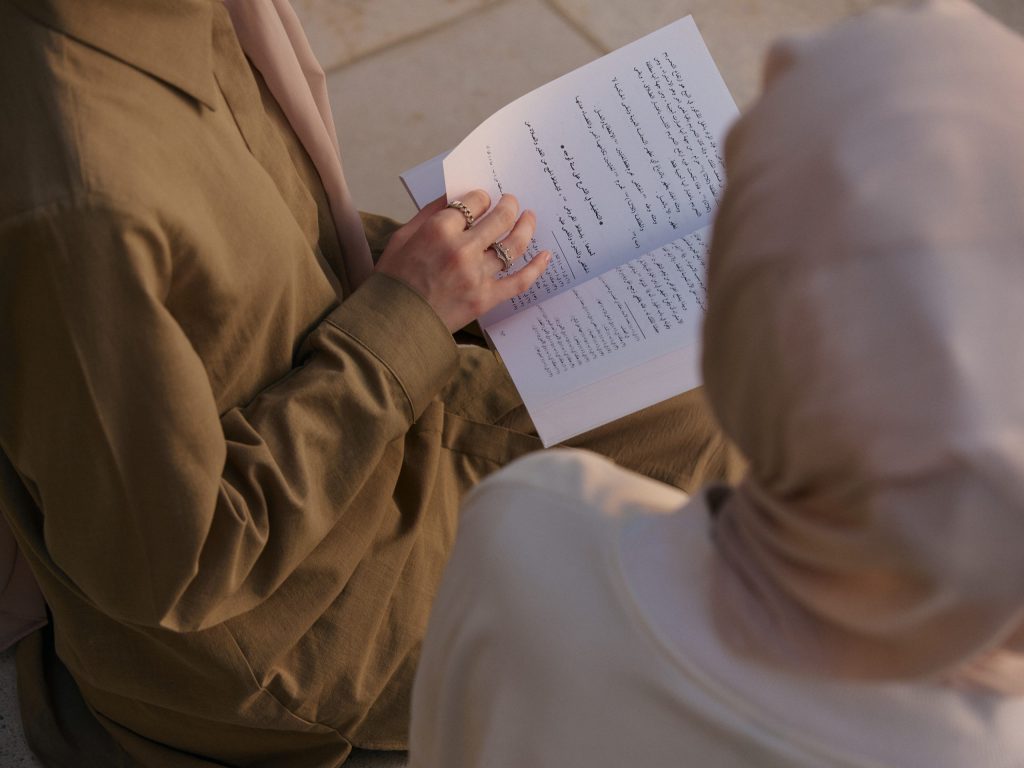
Registration Closed
A reading of selected works from the Islamic intellectual heritage, exploring forms of civility and their ethical and social framework.
Read More
The Path You Pursue
Open for Registration
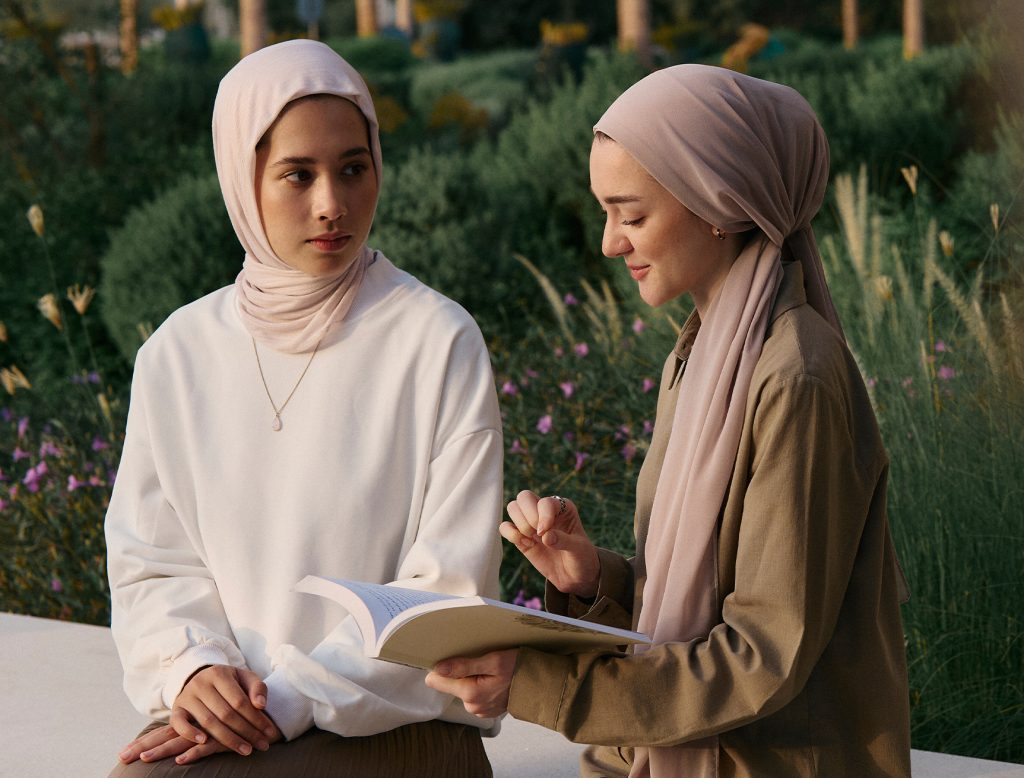
Open for Registration
An interactive workshop for young Muslim women navigating university, career choices, and an uncertain future.