Film
Go Back
Essay
WHY I STOPPED WAITING:
How Ri'aya Taught Me That Building Begins With Us
There was a moment during Ri’aya when someone said something that stuck with me: “If we keep handing everything over to others — to the West, to men, to anyone but us—how will we create environments where Muslim women actually belong?”
The question sat heavy in my chest. The truth is that I had been handing things over my entire life without realizing it. I had been waiting for spaces to welcome me instead of building them myself. I had convinced myself that my role as an engineer was narrow, technical, and separate from the larger questions of who gets to shape our world and how.
I used to think that history had nothing to do with me. As a computer engineering student, my world was circuits and code, algorithms and data structures. When conversations turned to colonialism, orientalism, or environmental justice, I tuned out. These topics felt too political, too distant from the technical work I loved. I thought engineering existed in some clean, neutral space where the messiness of history and power didn’t matter. I was wrong. That belief —that my work was separate from these larger forces—wasn’t just naïve; it was a luxury I couldn’t actually afford. Because while I was keeping my head down in my textbooks, someone else was deciding which problems were worth solving, whose voices mattered in building the future, and what that future should even look like.
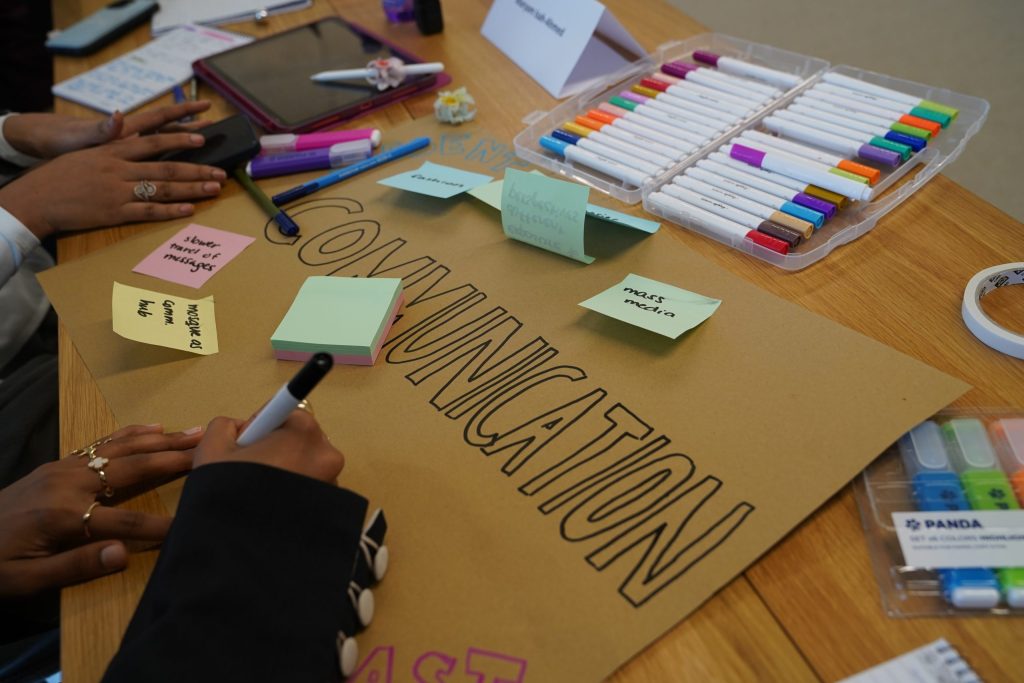
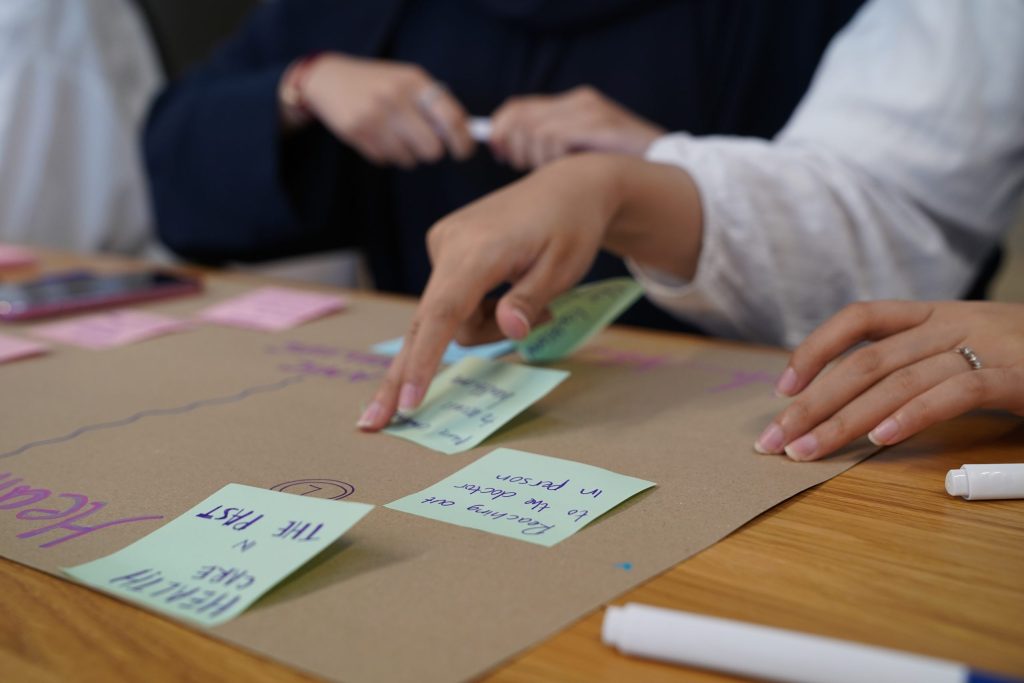
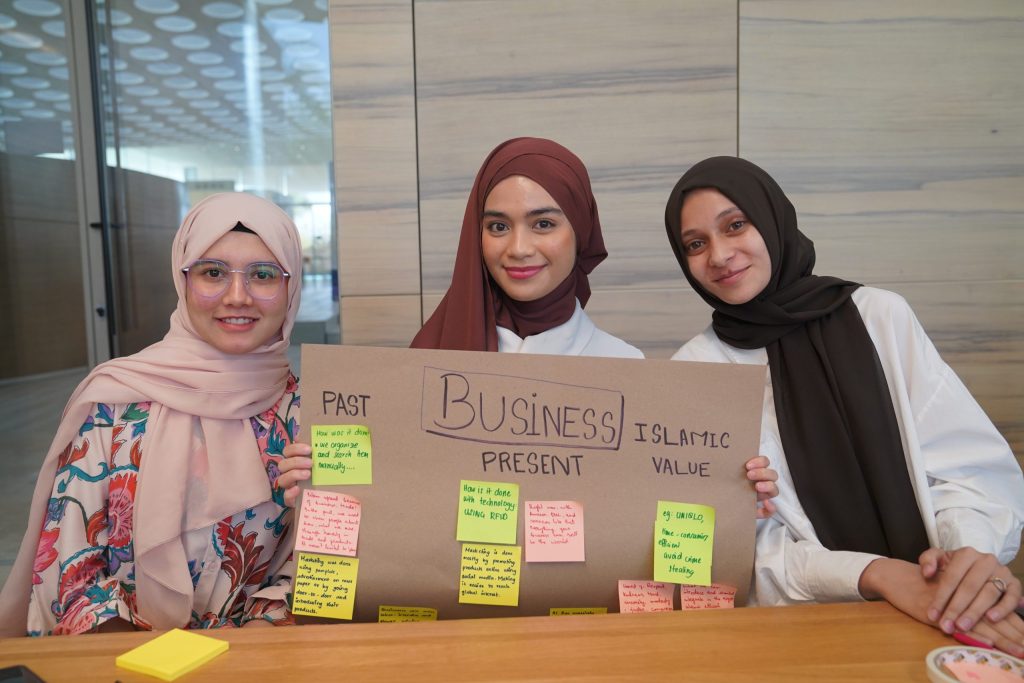
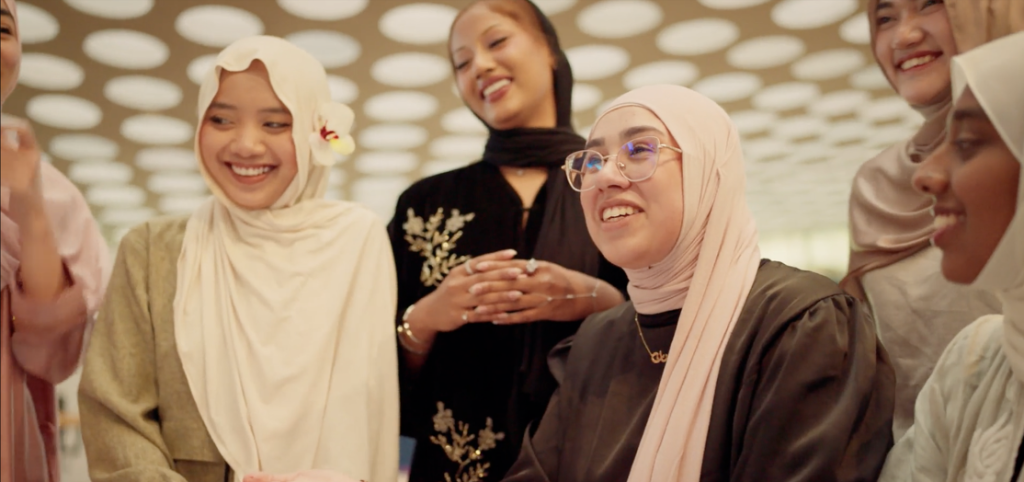
Ri'aya was created for young Muslim women who are asking what it means to live with faith, clarity, and purpose in a rapidly changing world.
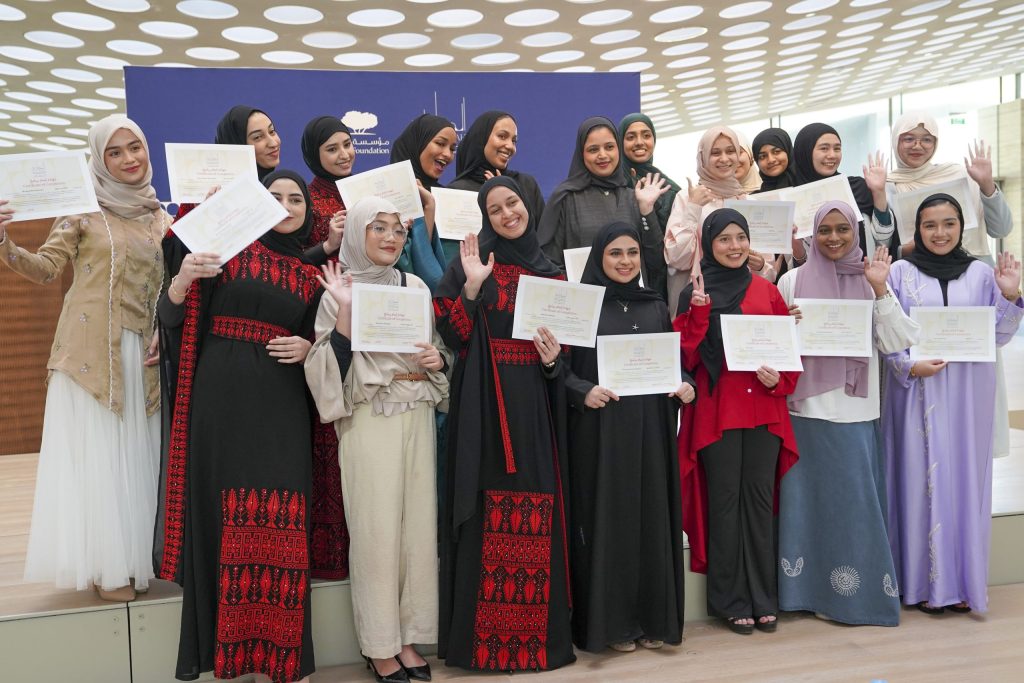
Through engaging workshops, insightful lectures, and dedicated mentorship, Ri’aya provides you with the tools to make a positive impact in your community and beyond.
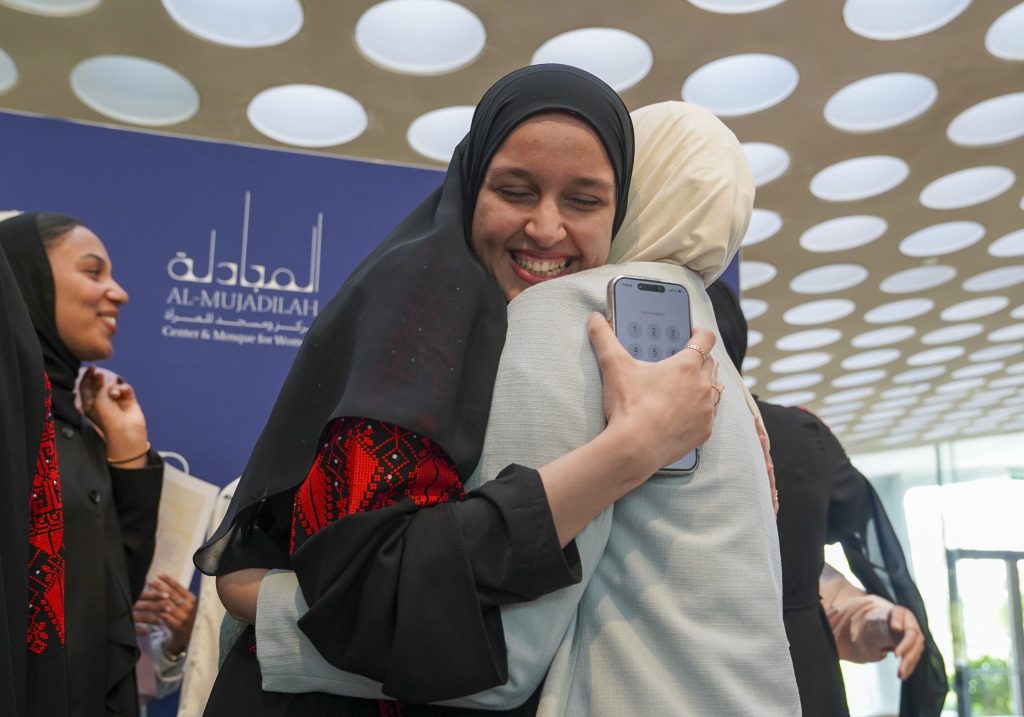
Through Ri’aya and Al-Mujadilah, I learned that community isn’t just nice to have, it’s the foundation of everything. Ms. Mahveen stayed connected with us long after the program ended, checking in, linking us together, building networks that felt less like transactions and more like ecosystems. She showed me that this is how change actually happens: women holding doors open for each other, sharing resources, making space.
The program is designed to strengthen participants' confidence, intellectual growth, ethical foundations, and understanding of history - rooted in faith and identity.
Then came Jadal, another Al-Mujadilah initiative. My close friend Jannah Alemadi and I presented research titled “From Makeup Kits to Microchips” – exploring the stigma facing women engineers and how we could be the beginning of real change in our fields.
We weren’t accepted to continue with the program. But rejection has a strange way of clarifying things. It pushed me to stop theorizing about problems and start building solutions. It taught me that sometimes the most important work begins exactly where the doors close.
That rejection became Bidaya.
TARTEEL EMAN:
Bidaya (meaning “beginning” in Arabic) is an Al-powered career discovery platform for high school students in Qatar. We took Bidaya to a Google-sponsored hackathon in Abu Dhabi and won first place, competing against projects led by PhD students and established researchers. But winning was just another beginning. What Bidaya really is: it’s my answer to that question from Ri’aya.
TE:
She showed me that this is how change actually happens: women holding doors open for each other, sharing resources, and making space.
TE:
It taught me that sometimes the most important work begins exactly where the doors close.
WHY THIS MATTERS: BUILDING FOR US, BY US
There’s a narrative that says women should care for children and families, and somehow that’s supposed to keep us at home. But Ri’aya taught me to ask: what if caring for the next generation means building the systems that will guide them? What if nurturing means creating the tools they need to discover who they’re meant to become?
Ri’aya gave me something I didn’t know I was missing: permission to see my engineering work as inseparable from my faith, my identity, my responsibility to my community. It taught me that our technical skills aren’t just about solving abstract problems they’re about justice, about access, about building futures where Muslim women don’t just participate but lead.
Al-Mujadilah built the community that held me through every beginning. They showed me what’s possible when women refuse to wait for spaces to welcome them and instead build the spaces they need.
Ri'aya gave me something I didn't know I was missing: permission to see my engineering work as inseparable from my faith, my identity, my responsibility to my community.
Note: As a leadership-building program, Ri’aya is designed to support young Muslim women in gaining a deeper understanding of Islamic ethics, Muslim history, and contemporary trends and challenges.
So I stopped waiting. I started building.
And if you’re reading this, wondering whether you should take that first step toward the thing that keeps you up at night, the organization you want to start, the project you’ve been dreaming about, the idea you think might be too big or too small or too uncertain, let this be your sign.
Your beginning doesn’t need permission. It doesn’t need perfect conditions. It just needs you to start. The spaces we need won’t build themselves. The futures we imagine won’t arrive on their own. But they will come if we’re brave enough to begin.
Related Highlights
Essay