Essay
Unapologetically Visible: Muslim Women Negotiating Leadership in Secular Spaces
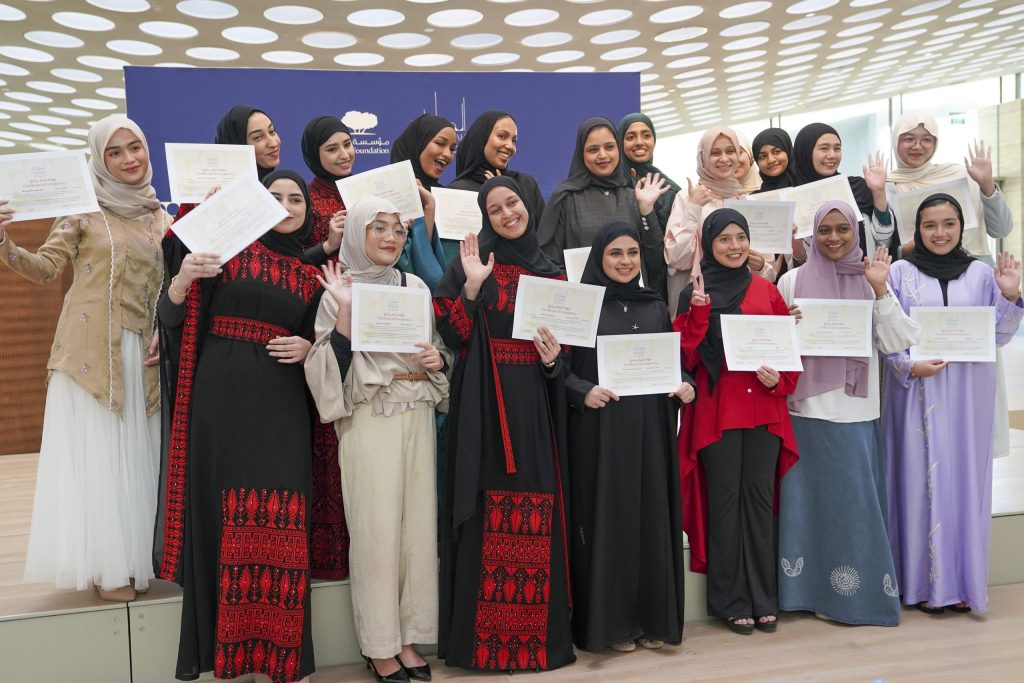
This study explores how visibly Muslim women holding an Islamic worldview navigate leadership roles within Western secular professional organizations. Employing Interpretative Phenomenological Analysis (IPA) grounded in an Islamic epistemological framework, the authors examine the lived experiences of eight women leaders across education, healthcare, finance, and politics. The research addresses a critical gap in organizational literature by demonstrating how participants reject the perceived neutrality of secular workplaces, which often enforce Christian-normative assumptions and impose an intersectional “concrete wall” of gendered Islamophobia. Rather than viewing their faith as a private matter requiring workplace accommodation, these leaders actively employ a tawḥīdic compass—integrating concepts of tawḥīd (Oneness of God), Fiqh al-Aqalliyyat (Jurisprudence of Minorities), and Maqāṣid al-Sharī‘ah (Objectives of Islamic Law). Through these theological tools, they manage emotional labor, identity covering, and code-switching while negotiating workplace friction surrounding alcohol, geopolitical advocacy, and professional visibility. Ultimately, the findings reveal a transition from initial self-censorship to authentic, “unapologetically visible” leadership, recasting religious adherence as an essential ethical framework that enhances executive integrity and resilience.
Related Highlights
Read More
Being Muslim: Support Circle
Registration Closed
Registration Closed
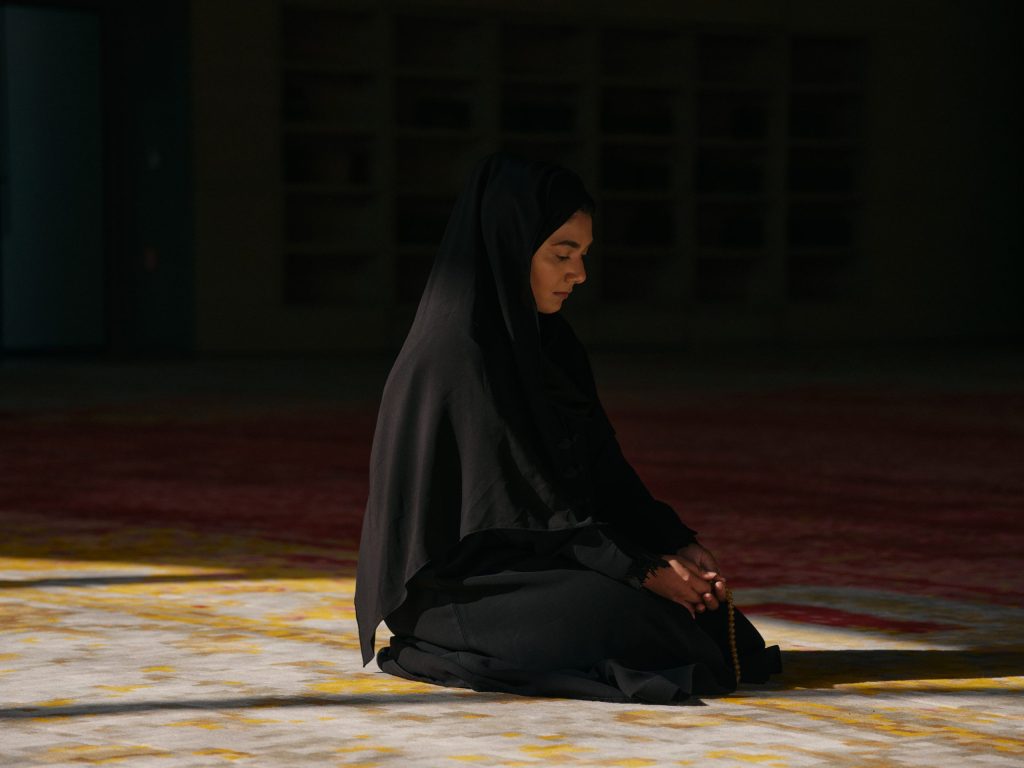
The New Muslim Support Circle is a year-long program designed to accompany new Muslims through their spiritual, emotional, and practical journey after embracing Islam. It provides a safe and supportive space to connect, learn, share, and grow together as a community. Each session nurtures belonging, builds confidence in Islamic practice, and bridges the gaps many new Muslims face — from understanding faith and building daily habits to navigating emotional transitions. This program is for converts only.
If you find it difficult to cover the fees and require financial assistance, please apply for a fee waiver at this link: Al-Mujadilah Fee Waiver Request Form